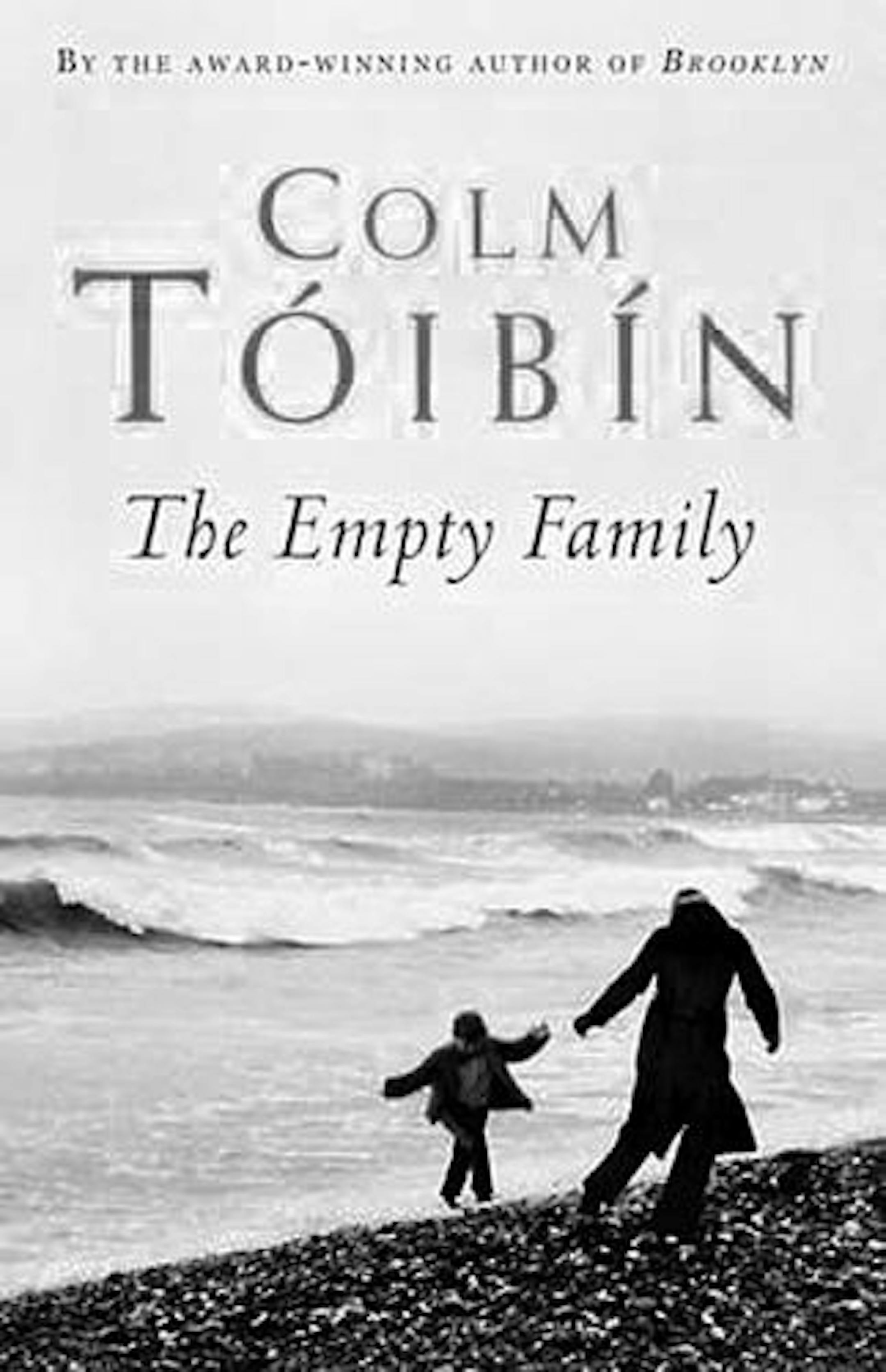
Colm Toibín can be uneven, for which we may admire him all the more.
His best stories are rough magic -- modulated, velvety, loping, evocative, sad, rich with complex humanity. In their gorgeous gradualism, they are as haunting and easy to admire as a Chopin nocturne. They are so good that one is willing to view less successful stories as noble experiments, exploratory sketches of a prose master.
Still, Toibín is not for everyone. The pace is sometimes slow, and humor is in short supply. Reticence in one story may give way to sexual explicitness in the next. Sloppy errors arise, as when a character in "The Pearl Fishers" says he makes his living writing "almost plotless thrillers." Is there really such a thing?
The title story is a faint watercolor in a minor key, all mood and barely any line. An unnamed narrator, apparently single and middle-aged, returns to Ireland after a long absence abroad. He addresses a former lover, also never named.
The narrator stares at the sea through a telescope, focusing on a distant wave. "It was something coming towards us as though to save us but it did nothing instead, it withdrew in a shrugging irony, as if to suggest that this is what the world is." The book's shortest story is long on this sort of briny, gray-lit philosophizing.
"The Street," at 68 pages the longest story of these nine, is by contrast full of incident. It details the impoverished workaday lives of Pakistanis in Barcelona, Spain, especially a young man who falls in love with an older man. Living in close quarters among other Muslims, this gay affair is nearly impossible, yet love will find a way, and it does, alongside fiendish violence and a surprising ending.
Dislocation is a theme in many stories, with boomer-aged characters (Toibín is 55) flying or driving distances to care for aging or dying relatives in hospitals and nursing homes.
Of three stories set in Spain, the best is "The New Spain," in which a onetime anti-Franco Communist returns to Spain after years living in London and interacts abrasively with her bourgeois family on the island of Menorca. Just when it seems we know which way things are headed, they veer off in a new direction.