
Stop crying over wolf hunt

Those opposed to Wisconsin's new hunt were wrong, says the Wisconsin State Journal's editorial board.

November 27, 2012 at 5:00PM
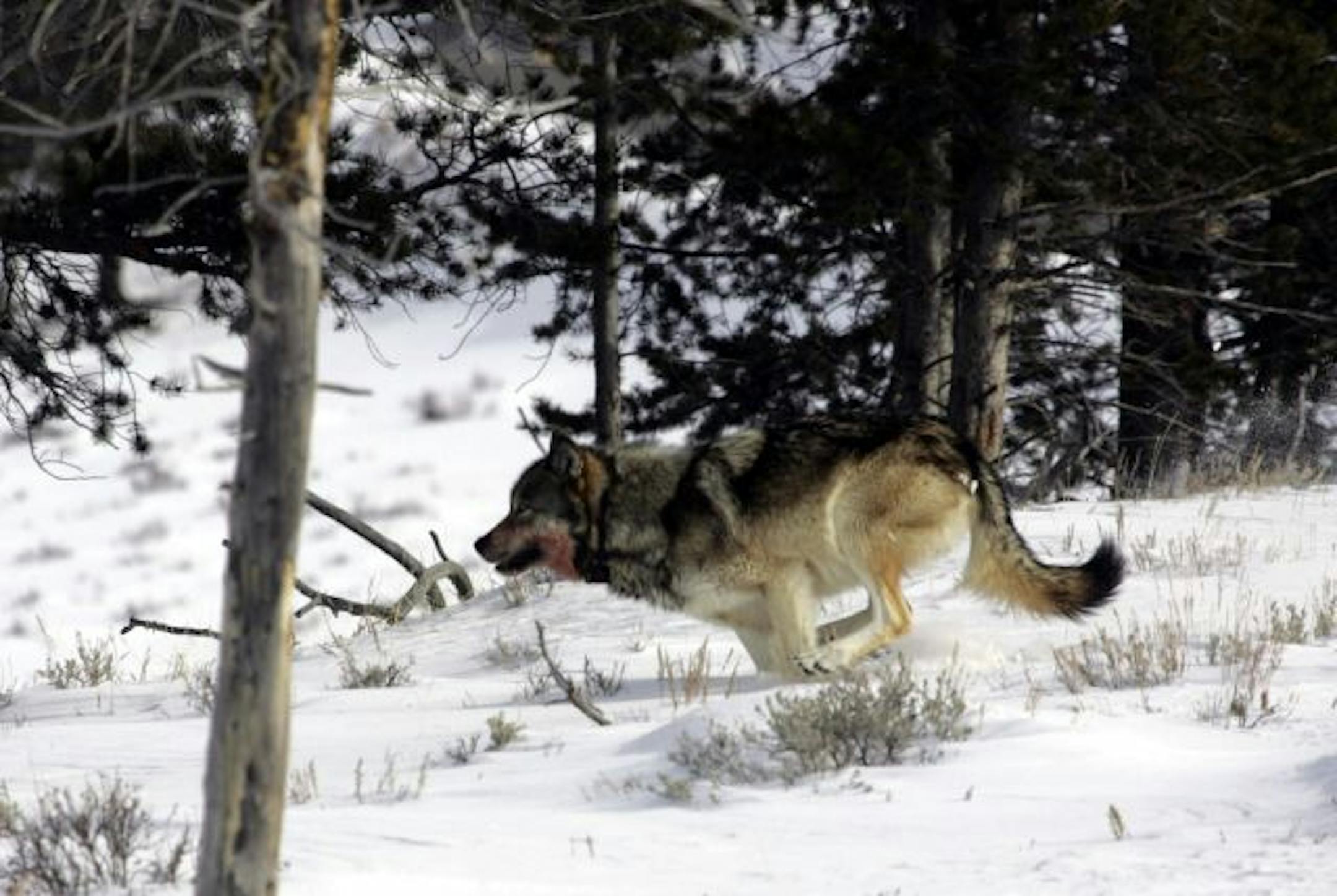
This Feb. 16, 2006 photo released by the National Park Service shows a Wolf near Blacktail Pond in Yellowstone National Park.
This Feb. 16, 2006 photo released by the National Park Service shows a Wolf near Blacktail Pond in Yellowstone National Park. (Associated Press/The Minnesota Star Tribune)

Staunch opponents of Wisconsin's first modern wolf hunt suggested the majestic animal would be shot back into oblivion.

They were wrong. The controversial hunt is about to end with about 116 wolves killed out of a statewide population that was approaching 1,000.

At the same time, some hunters worried that bagging wolves would be too difficult without dogs.

They were wrong, too. A lawsuit, at least for now, has prevented the use of dogs to track wolves. Yet hunters and trappers had taken 95 wolves as of Sunday, meaning the wolf season planned for five months is likely to end in less than half that time.

Moving forward, the state Department of Natural Resources should continue to listen to public concerns of all sorts. Mostly, though, state wildlife officials should rely on data - rather than emotion - to improve and inform future hunts.

The Legislature also should stop trying to micro-manage the process.

The State Journal on Monday reported the DNR is generally pleased with how the hunt has gone. Hunters must report wolf kills within 24 hours and present wolf carcasses for inspection. That gives biologists important information about the age, gender, health and reproductive status of the wolves taken.

Only a handful of hunters have been cited for violating state rules. Responding to complaints about online videos showing trapped wolves, the DNR determined those animals were shot quickly and humanely.

State leaders should have listened more to top wolf scientists when designing the hunt. The scientists supported a hunt to control the growing wolf population and to deter attacks on farm animals and pets. Yet some scientists questioned the use of dogs, night hunts and trapping.

The latter method of catching and then shooting wolves in traps has resulted in more than half of the animals killed so far - even though trappers are fewer in numbers. That suggests trapping is the easiest way to take wolves. But it hardly ranks as the most challenging.

Wisconsin should learn from this hunt using numbers and science - not hunches or scare tactics. The wolf is back in our state for good. It deserves responsible management.

about the writer

about the writer

Editorial Board

See Moreicon

More from Commentaries

See More
card image
Alex Kormann/The Minnesota Star Tribune

The administration’s justifications keep changing. The focus on county jails is just one of the latest.

card image
card image