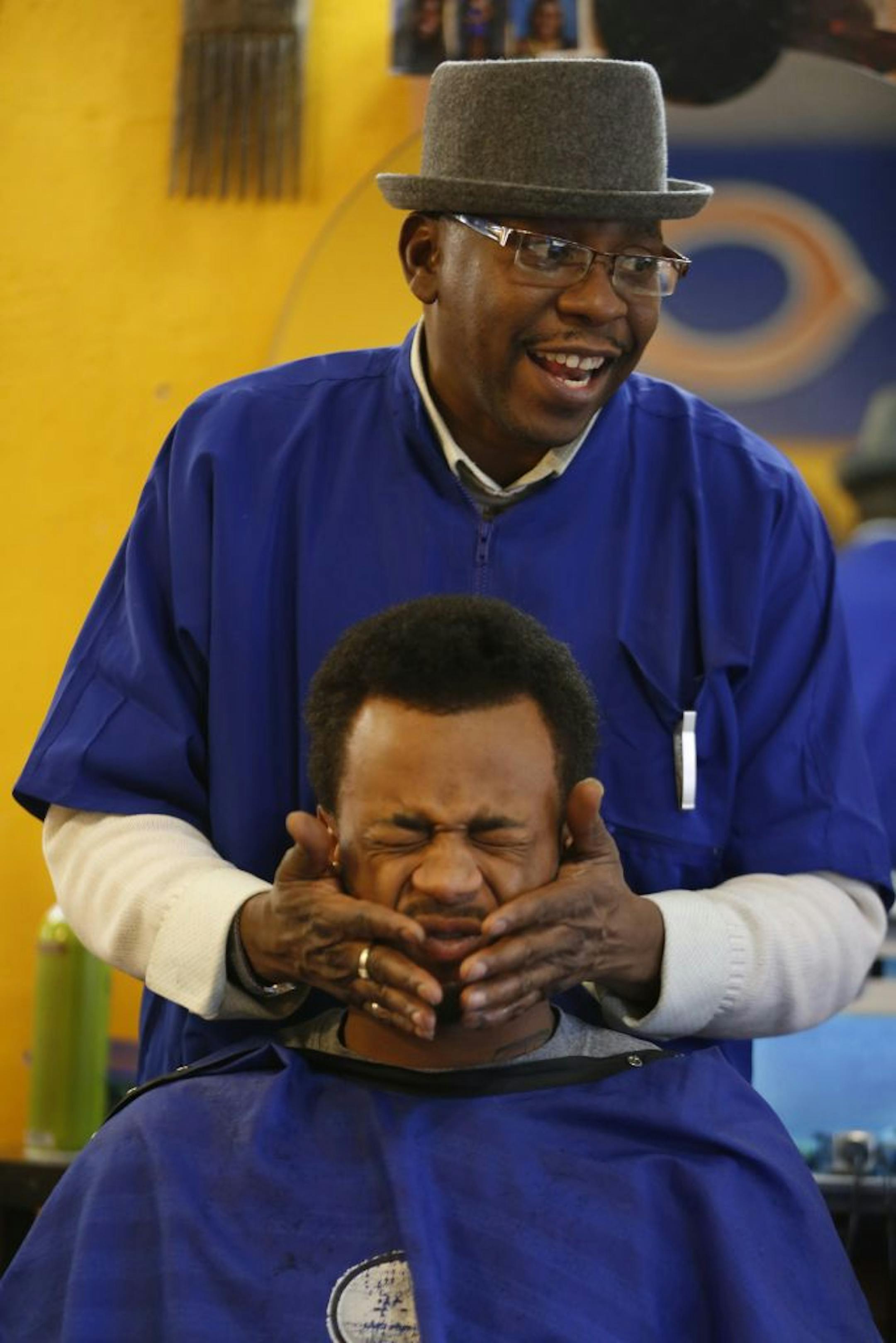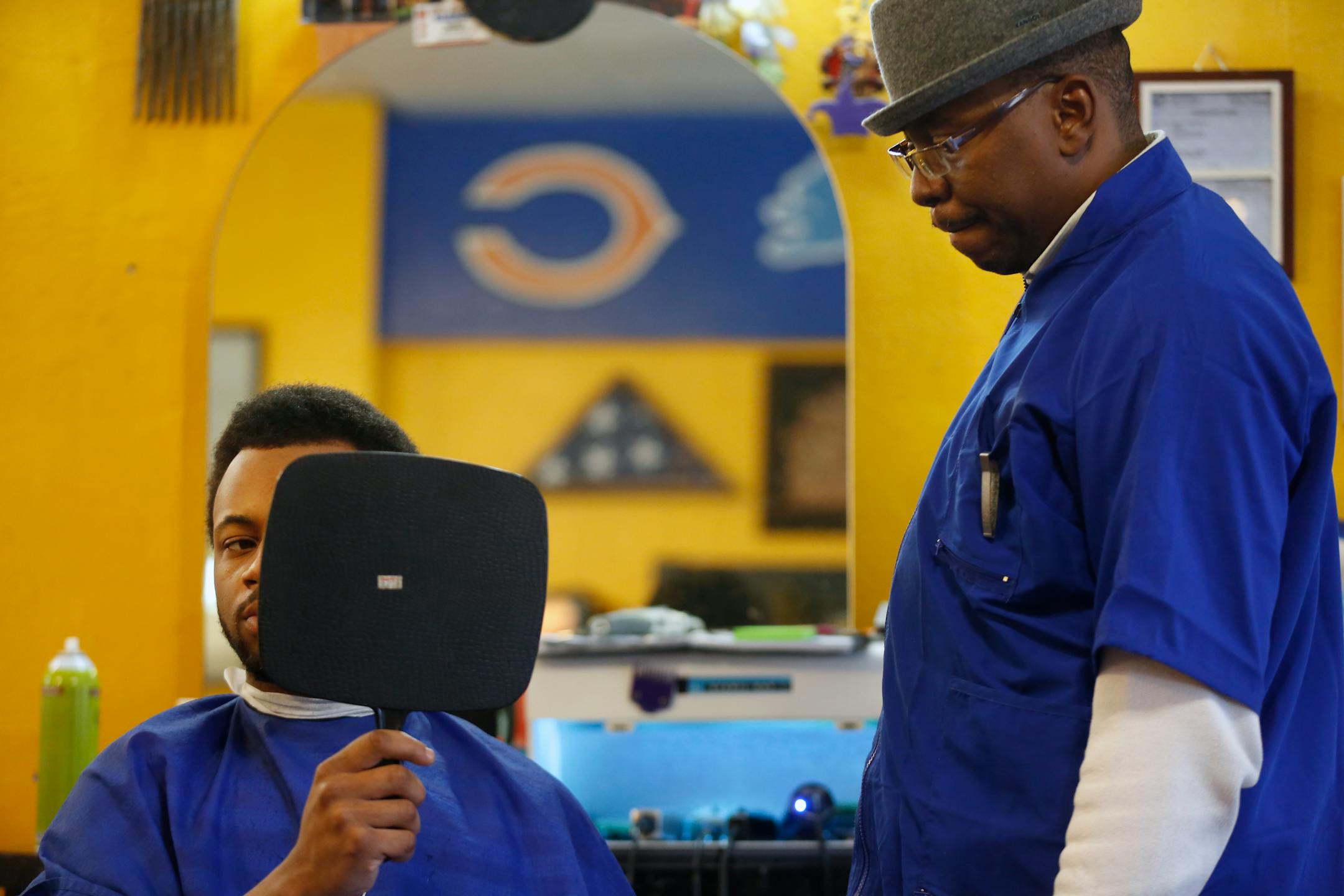
Brian Davis has been cutting hair at a cozy corner barbershop in north Minneapolis for seven years, but today he finds himself on the front line in one of Minnesota's most important public health campaigns.
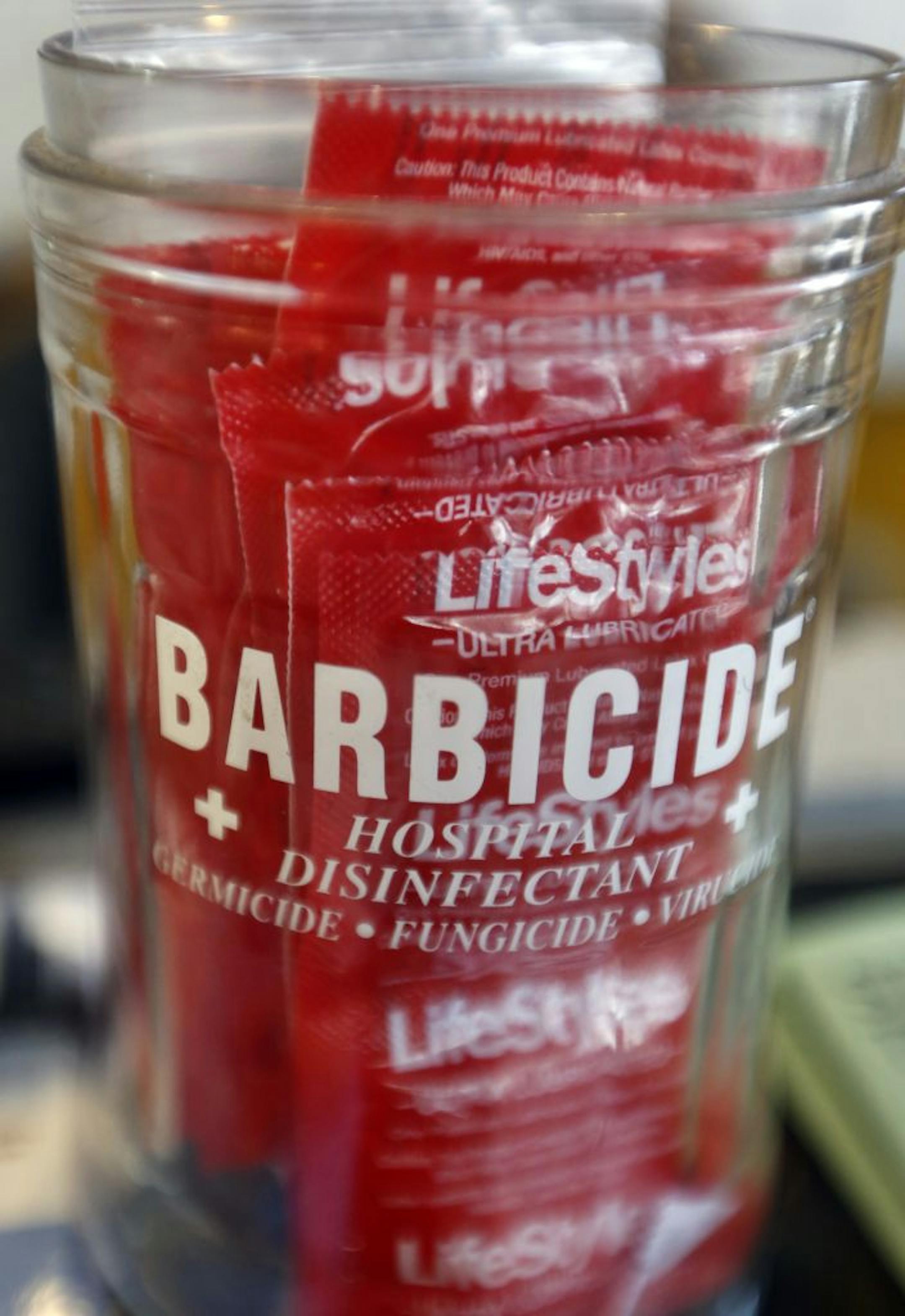
Armed with urine cups and brochures, community health advocates are venturing to carwashes, nightclubs, street corners and barbershops in an effort to curb the spread of sexually transmitted diseases. Davis joined the effort this year, hosting a session of "Clipper Clinic," which offers free preventive health services -- and a free haircut -- to anyone who walks in.
The importance of those efforts was underscored Thursday, when the state Health Department reported that cases of sexually transmitted disease (STD) in Minnesota reached a record high in 2011, with communities of color disproportionately affected. African-Americans are infected by gonorrhea at a rate 26 times that of whites and are 10 times as likely to be infected by chlamydia -- statistics that caused Health Commissioner Dr. Edward Ehlinger to call for increased efforts to target disparities in those communities.
Seeing success
Fred Evans, community health coordinator for Fremont Clinic in north Minneapolis, is one of a handful of innovators who have been taking that campaign to the streets for seven years.
Through impromptu STD testing at various locations around the community, his state-funded program, Seen on da Streets, has tested more than 11,000 young men and women.
In December, he joined forces with the University of Minnesota's Program in Health Disparities Research, the health plan UCare, and a number of community health programs and barbershops to participate in the Clipper Clinic.
"These programs have proven extremely successful," Evans said.