
Advertisement

Start with how you want a room to feel when choosing wallpaper

Then educate yourself about texture, color and print.

The New York Times
February 20, 2026 at 8:00PM
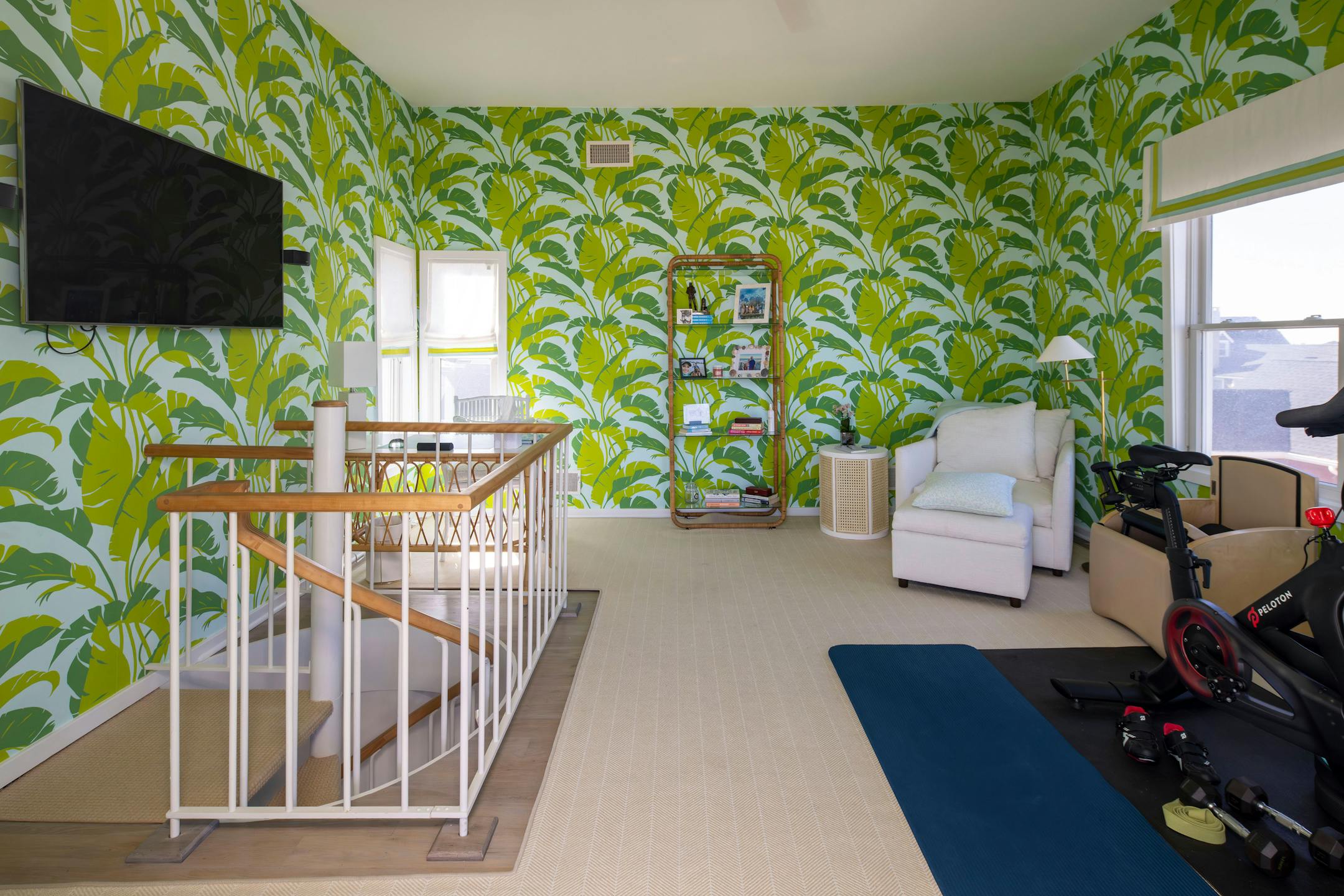
The leaf-printed wallpaper gives the space the feel of a greenhouse in Dana Perino's home office in Bay Head, N.J. Before purchasing any wallpaper, take samples home to evaluate the effects of natural light, color and scale. (Katherine Marks/The New York Times)
Advertisement

Wallpaper can add oomph to a room with hits of texture, pattern and color. But the process of getting there can be overwhelming.

This guide shares advice from interior designers and experts on how to plan your project; sort through the endless styles, patterns and prices; and, finally, make the perfect choice for your home.

Make a game plan

First, ask yourself the same questions interior designers pose to their clients.

To start the selection process, Brigette Romanek, a designer based in Los Angeles, said she always asks homeowners: “How do you want this room to feel and perform for you?”

This line of questioning can help narrow the type of wallpaper to use based on mood alone. “Wallpaper is very emotive and can tell a story for the room,” said Maggie Samson, an executive design consultant for British wallpaper and interiors line House of Hackney.

Samson said she often recommends nature-inspired motifs for a calming effect, while Renée Price, the founding director of the Neue Galerie New York museum said prints with brightly colored and linear graphics can offer a jolt of exuberance for spaces like bathrooms or dining rooms.

Utility is also important to consider during the strategy stage of the wallpapering process, Romanek said. Rooms that take more wear and tear, like kitchens, bathrooms or children’s rooms, may require durable finishes, topcoats or adhesives; sometimes, no paper at all is the best decision.

Another issue to consider, according to interior designer Billy Cotton of New York City, are the original bones of the space. In his work with historic homes, Cotton often spends time researching the wallpaper prints that were fashionable at the time the property was built to create a sense of continuity. Conversely, it is also possible to dial back the historic or crafty nature of old homes with a more contemporary paper, he said.
Advertisement

The quality of your walls will also determine if you can use wallpaper. While it has always been used for decoration, wallpaper also historically had the “added benefit” of covering up imperfections in walls, said Emily Banas, the associate curator for decorative arts at the RISD Museum in Providence, R.I. Banas observed how in old homes, bits of newspaper and other materials were commonly found tucked behind wallpaper to create a level surface. Today, installers recommend that a wall’s surface be smooth for the best application, Cotton said.

A primer on choices

Once priorities are outlined, it’s important to educate yourself on the different types of wallpapers that are available. There is a buffet of options relating to texture, color and print, said Romanek, with designs that “can look as simple as a really clean paint job all the way to crazy-insane graphic designs or a botanical block print.”

The right choice of wallpaper, Romanek said, can add depth to a space that cannot be accomplished by paint alone.

Not all wallpapers are created equal, which accounts for the wide price discrepancies on the market, with panels ranging from $13 for an entry level peel-and-stick option from Home Depot to well past $1,000 for intricate, artisanal works. The most expensive among them, from companies like de Gournay, are hand-painted and can create a near-multi-dimensional effect with their layering of pigments and finishes. Midprice options from companies such as BelarteStudio and Rebel Walls use digital printing techniques while also maintaining a higher quality of paper for a polished look.

Homeowners with simpler tastes may gravitate toward textural wallpapers, like those known as grasscloth for their incorporation of natural fibers, which can bring depth to a space without the same graphic punch as a heavily patterned look.

To avoid visual clash, similar patternless options such as those with metallic or fabric-like finishes can be deployed in rooms where there are plans to install a lot of artwork, Paris-based interior designer Laura Gonzalez said.

Advertisement

Gonzalez is also keen on wallpaper murals, which unlike a pattern depict a continuous scene across the wall. She recommended them for rooms where someone may want to “make a big impact with something that’s not very expensive.”

For those without a budget for professional installers, Romanek recommended peel-and-stick options, rather than traditional papers that require skillful application and cutting. With these, as well as other options, it’s important to keep an eye on the quality of paper, and look for a “Goldilocks effect,” said Samson, to ensure you settle on a paper that isn’t too flimsy or too thick, both of which could make the paper hard to apply and maintain.

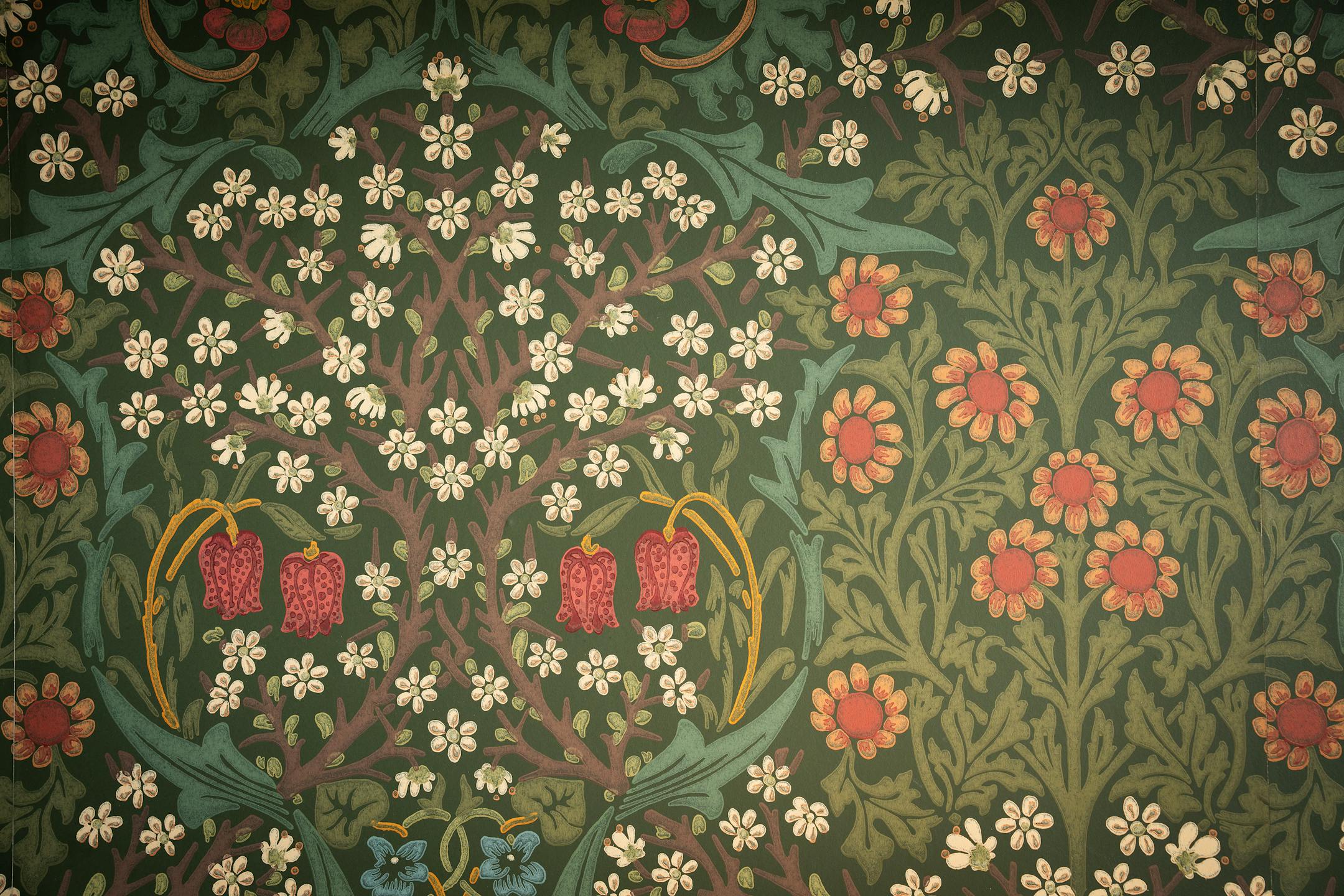
Detail of the primary bedroom wallpaper inside the home of Jed and Jocelyn Gorlin in Hopkins. When selecting wallpaper, it’s important to settle on designs that appeal now and will hold up for several decades from now. (Shari L. Gross)

How to pick wallpaper

While there are no hard-set rules for this, there are tips that could help give your home a professionally designed look.

When choosing a wallpaper, it’s important to settle on designs that appeal now, as well as in several decades — which is how long these papers can last if well-installed and properly maintained. Fashionable papers, like the monstera leaf prints that were popular circa 2015, tend to have a shorter shelf life.

The trickiest task is to create a sense of continuity and flow between rooms.

At this stage, it’s important to consider how much print is in your comfort zone. Samson said that she recommends two or three prints per home as guiding principle for novice wallpaper users, with textural papers and other pattern-less finishes filling in the blanks.

Advertisement

Cotton and Gonzalez said it is best to focus on similar families of patterns and colors, rather than opting for an eccentric mix. For Cotton, it’s difficult enough to mix color and scale, but attempting disparate combinations like a “contemporary ombré wallpaper next to a 19th-century French design — it’s not going to work,” he said.

Gonzalez likes to look for through-lines of color and history between patterns. She recommends laying out all of the wallpaper samples to evaluate if any stand out. Gonzalez does this for her own clients, and said that while it may be time-consuming, it can help prevent the need to redo rooms later on.

Before purchasing any paper, it’s important to bring samples home to evaluate the effects of natural light, color and scale, Romanek said.

Scale is important for wallpaper’s success in a space, but Samson said it’s not a difficult code to crack. Generally speaking, small spaces can handle both small- and large-scale prints. However in larger spaces, Samson said, small prints tend to get lost whereas larger varieties help create that layered and cocooning effect that wallpaper is known for.

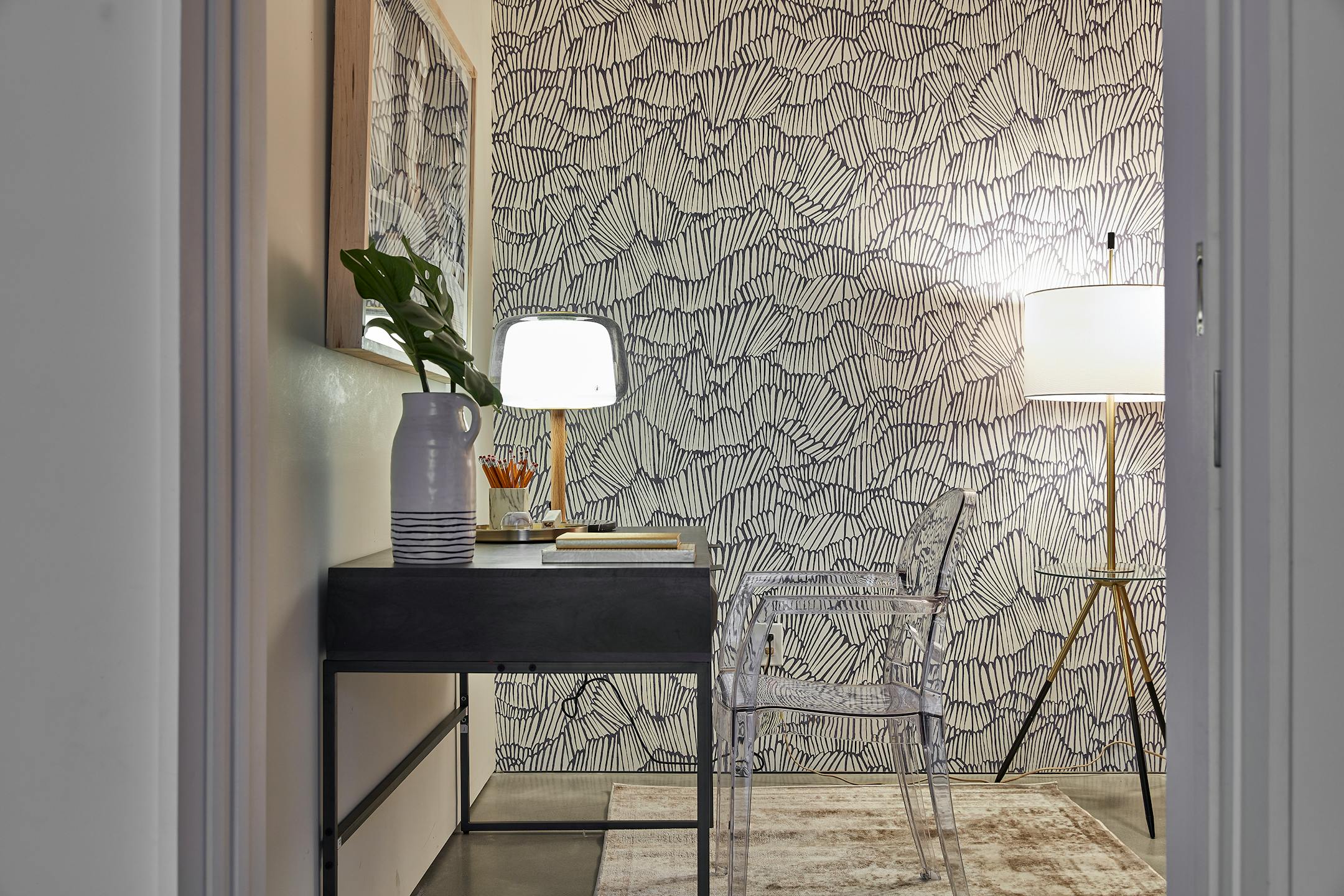
When installing wallpaper, remember to apply a varnish topcoat. It will help to make the paper last a long time. (Scott Gabriel Morris)

It’s time to paper

After paper is chosen and delivered, it’s finally time for application. There are a few things to keep in mind, whether installing it yourself or relying on a professional.

The installation process is not the same for all papers, which is something even hired installers can forget, and failure to follow a manufacturer’s specific instructions can adversely affect the longevity of a papered finish.

Advertisement

It’s best not to install wallpaper as a singular accent wall. Printed accent walls can create a more jarring effect compared with applying paper across an entire room.

Once it’s up on the walls, Samson recommends a varnish topcoat for nearly every application of wallpaper. She said it can be so effective that it will make the paper “last forever until you want it gone.”

Most wallpapering jobs will leave homeowners with a bit of extra paper. Price of the Neue Galerie said these extra pieces can be applied in places like the inside of armoires, for a “wow” effect when you open the doors.

To tie the whole look together, it’s best not to paint the ceiling, doors and trims of a room with basic white, Romanek said. Instead, pull out a color from the paper itself, preferably a darker one, and apply it across the room in different finishes to account for durability and the bounce of light. “It makes it cohesive and beautiful,” Romanek said.

about the writer

about the writer

Misty White Sidell

Advertisement