

The University of St. Thomas said late Thursday that it has decided to sell the Daniel C. Gainey Conference Center in Owatonna, "because it cannot continue to operate the center in a financially sustainable manner."
Any expansion plans, the university said, "would not overcome ongoing weaknesses in the conference-services market."
The 31-year-old center, which encompasses 180 acres, has struggled financially over the past decade, incurring annual deficits, St. Thomas said.
The property includes the Gainey home, a replica of a French Norman country house, the conference center, which includes meeting rooms, dining facilities and 35 guest rooms, a classroom building, two smaller houses and horse barns.
"This was an extremely difficult decision because we have had a great relationship with the Owatonna community, and we are proud of the services that we have offered over the last three decades," St. Thomas President Julie Sullivan said in a statement. "Unfortunately, we don't believe we can return the center to break-even status in a way that remains consistent with our educational mission, and we have determined the most prudent action is to sell the center."
The center has 16 full- and part-time employees, most of whom live in the Owatonna area. They will retain their current positions as long as the center is open, and considered for jobs elsewhere within the St. Thomas system.
St. Thomas said it will keep the center open during the marketing process and will select a broker soon, but no firm asking price has been established. Depending on a buyer's plans, the university may operate the center up to the date of sale or close it before the closing.
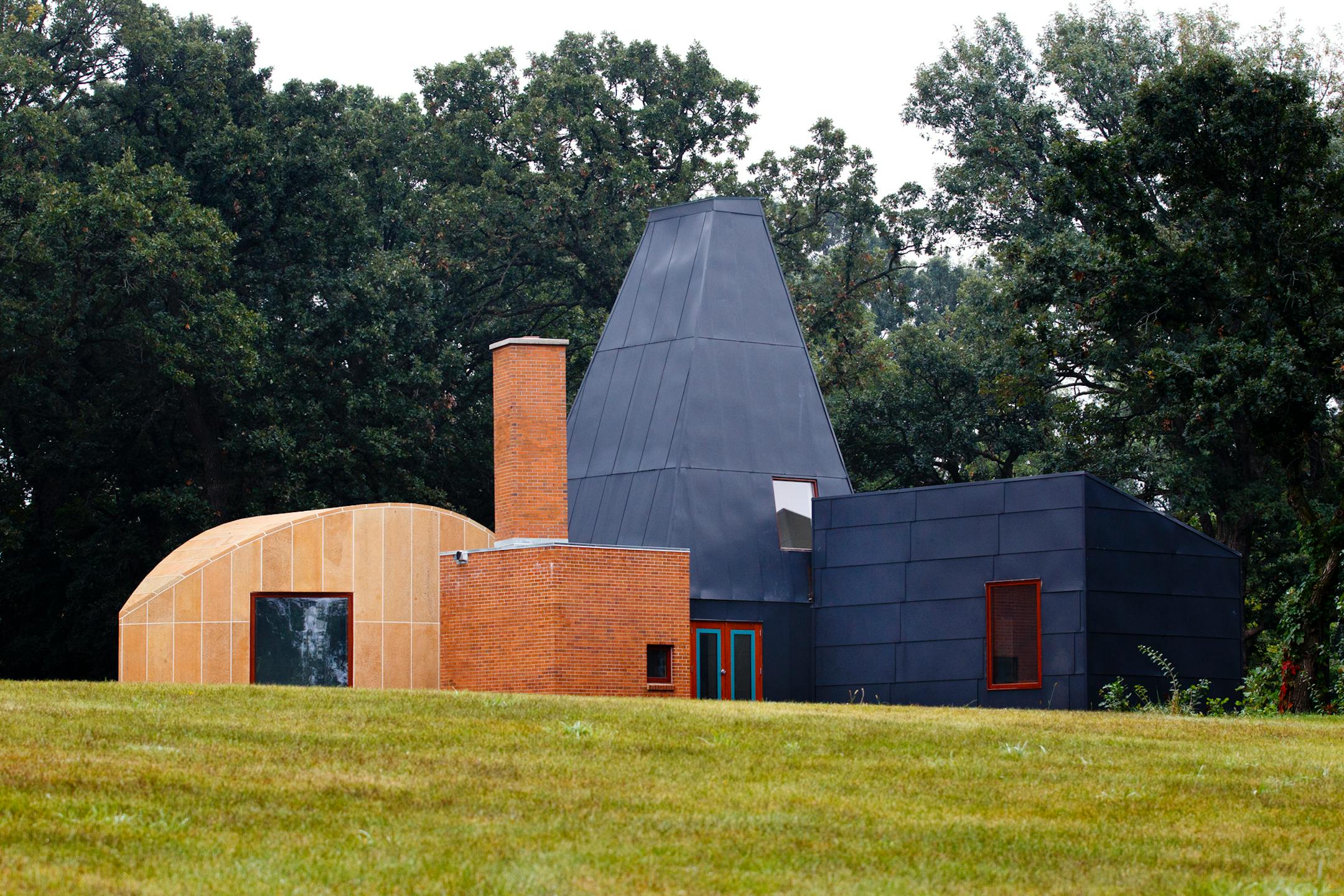
St. Thomas said it will retain the ownership rights to the Winton Guest House (above), designed by the architect Frank Gehry, either on the Gainey property or on a new site. The house was given to St. Thomas and moved from its Lake Minnetonka location to Gainey, where it was renovated and dedicated in October 2011. It is open for public tours and is used by the St. Thomas Art History Department for academic purposes.


