St. Paul’s new Afrocentric elementary school opens this fall

The Afrocentric program at Benjamin E. Mays brings African-centered values and academic excellence to Rondo

Provided by Saint Paul Public Schools

January 9, 2026 at 10:51PM
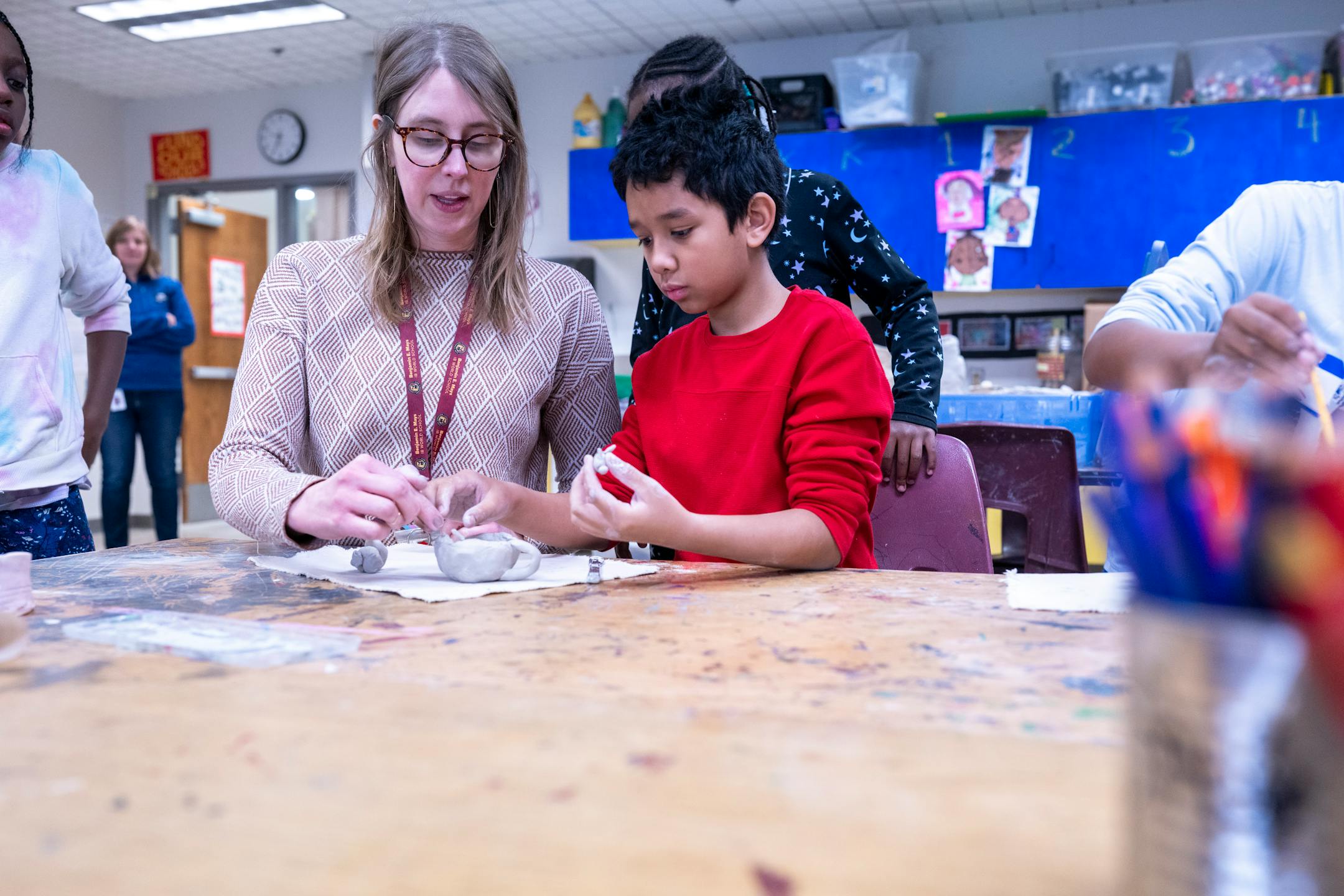
The new Afrocentric program at Benjamin E. Mays in St. Paul will serve students in grades PreK-5 starting in fall 2026. Photo Credit: Scott Streble

When Danielle Hughes was selected as principal of Benjamin E. Mays last summer, it felt like it was meant to be. A St. Paul native, Hughes attended the former Galtier Elementary and graduated from Johnson High School on the city’s East Side. When she began her career in education, there was only one place she wanted to teach.

“The moment I knew I was going to be a teacher, I knew it was going to be in St. Paul,” she recalls. “That’s my home and it will always be.”

Almost halfway through her first year leading Benjamin E. Mays, an elementary magnet school in Saint Paul Public Schools, Hughes has an even bigger job than her principal peers: building a new program while overseeing another.
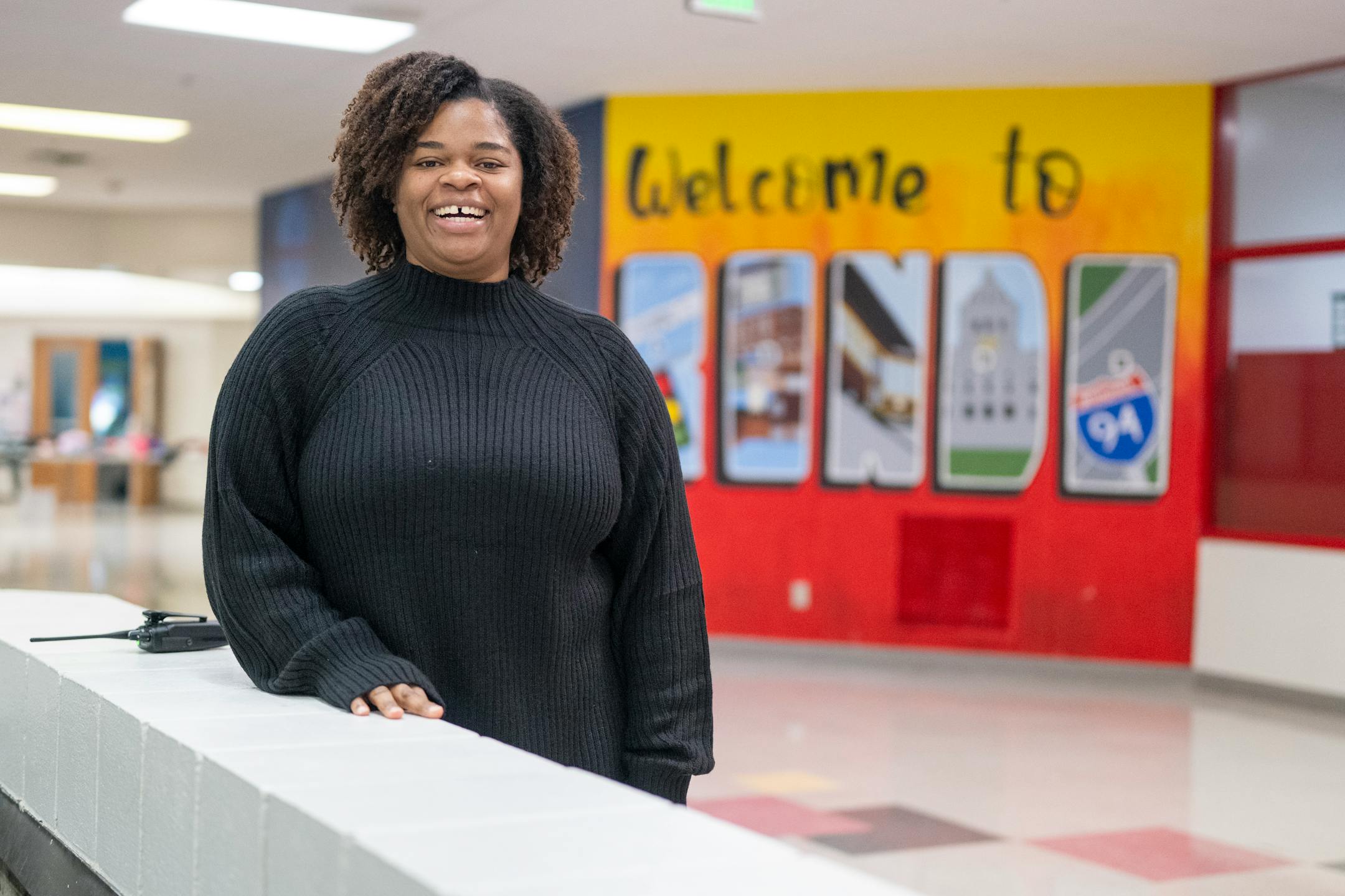
Principal Danielle Hughes is a St. Paul native who was hired to lead Benjamin E. Mays into its next chapter as an Afrocentric elementary school. Photo Credit: Scott Streble

In between planning assemblies, meeting with parents, supervising staff and participating in professional development, she is working with her team to create new curriculum and breathe new life into a school that’s been part of St. Paul’s historically Black Rondo community for almost 50 years. While change is hard, there is reason to believe the future is bright for Ben Mays.

“I’m so blessed that this community has chosen me as the person to lead,” says Hughes. “I don’t make promises, but I can guarantee the work that I will bring will bring change.”

A long time coming

Years before Hughes was hired as principal, Saint Paul Public Schools staff began meeting with community members, parents, and leaders in the capital city’s African American community about a vision for a new school. The when, how, where and who were still up for debate, but the why was crystal clear: If we want to create better outcomes for students, and Black students in particular, something has to change.

In Minnesota, Black students perform lower than the state average in nearly every metric: four-year graduation rates, state reading and math scores, enrollment in advanced courses, and consistent attendance. Black students also face disproportionate levels of discipline at school, ranging from in-school suspensions to expulsions.

In Saint Paul Public Schools, 19% of Black students were proficient in reading in 2025, compared to 35% of students overall. In math, only 11% of Black students tested as proficient, compared to the district’s overall proficiency rate of 26.5%.

While these statistics aren’t new, they remain alarming, and provide the fuel for why an intentional, affirming and empowering Afrocentric program for St. Paul’s children is long overdue.

The Afrocentric program's focus on culturally relevant instruction and community engagement is designed to lead to increased academic performance and highlight positive social values. Photo Credit: Scott Streble

“The way school is set up, and how teachers approach learning, has a significant impact on student success,” Mary K. Boyd, a member of the Afrocentric planning team, retired educator and Rondo community elder, recently told the Minnesota Spokesman-Recorder. In her experience, traditional approaches to education leave too many students behind, causing them to disengage and, over time, creating the achievement gaps that persist today.

Benjamin E. Mays emerged as the ideal location for the new Afrocentric program for two main reasons: one, the school currently serves a majority Black student population (65%); and two, its ideal location in the Rondo neighborhood.

“The story of Rondo, and the elders who are with us who are the children of Rondo, are going to be a central part of the curriculum,” says Gevonee Ford, founder and executive director of the Network for the Development of Children of African Descent and member of the Afrocentric planning team.

Literacy, community and academic excellence

One of the first meetings that Saint Paul Public Schools superintendent Stacie Stanley, who joined the school district last May, attended was about the Afrocentric school. When addressing the planning team, she recalled her own experience as a student in the same schools she now leads, and the teachers who believed in her.

“When I was a young Black girl living in McDonough Homes public housing, Mrs. Gardner taught me how to read,” Stanley remembers. “If little Stacie could learn how to read and do math, and go on to earn a doctorate and become a superintendent, then our children and our grandchildren can, too.”

With literacy as the foundation, the Afrocentric curriculum at Benjamin E. Mays will be introduced through social studies and ethnic studies, with opportunities to integrate Afrocentric themes across all core content areas. Students can expect a learning experience that is standards based, literature rich, empowering, skill building and action oriented, providing them with affirmation of self-worth through accurate and positive portrayals of African American history and culture.

“The Afrocentric program will create opportunities for students to deepen their understanding of who they are and how they are connected to the world around them,” says Principal Hughes. “Students of African descent will see their identities, histories and brilliance affirmed, and students from all backgrounds will find validation in their own identities and engage with a more complete and inclusive understanding of history.”

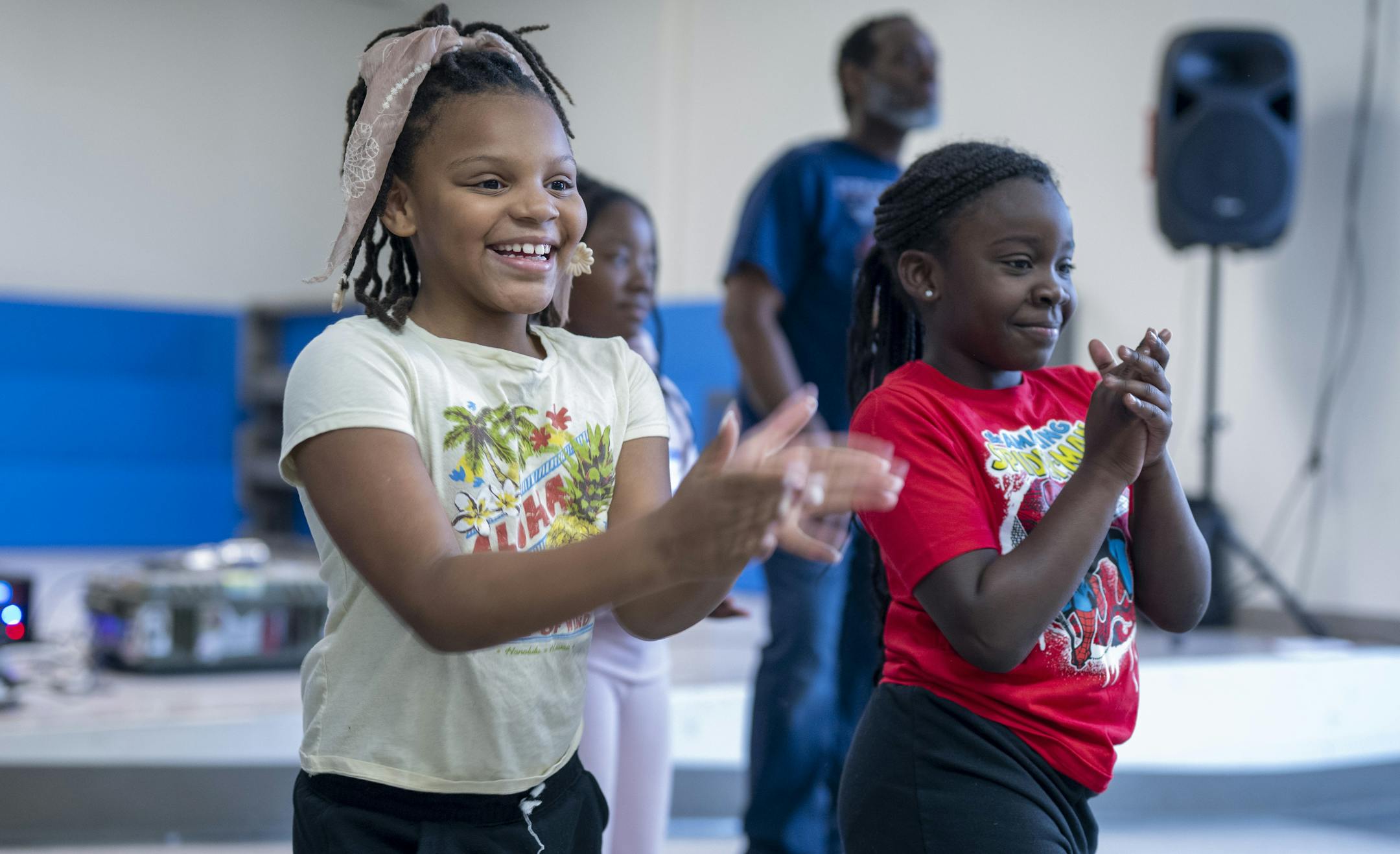
Families are children’s first teachers, and authentic parental involvement is an essential part of the success of the Afrocentric program and its scholars. Photo Credit: Scott Streble

Another key component of the Afrocentric program is strong community support and parental involvement. Partnerships with local nonprofit organizations and community leaders will allow students to extend their learning beyond the four walls of the school. Family members are also welcome and encouraged to take part in their children’s education, both at home and during the school day.

Similar educational models from around the country have shown that when these building blocks are in place, academic success is not only possible; it is the norm. In New York’s Harlem Children’s Zone, 97% of students are accepted to college and the racial achievement gap has been erased.

Closer to home, CDF Freedom Schools, which operate as summer and after-school programs in dozens of school districts including St. Paul, have succeeded in helping the majority of scholars (84%) improve or maintain their reading skills over the summer break, increase their social and self awareness, and improve their responsible decision-making skills.

Taking the next step forward

As the curriculum, afterschool programming, community partnerships and other key elements of the Afrocentric school continue to take shape this winter and spring, prospective families are invited to visit Benjamin E. Mays to take a tour, attend an open house (Jan. 28, 2026 and Feb. 4, 2026 from 4:30-6:30 p.m), and submit an application for the 2026-27 school year.

Students who will be in pre-kindergarten through fifth grade in the fall and reside in St. Paul will receive free transportation and priority for enrollment. Other priorities for admission to the program, which is a district magnet school, are listed on the student placement website. Applications should be submitted by Feb. 20 for the best chance to enroll.

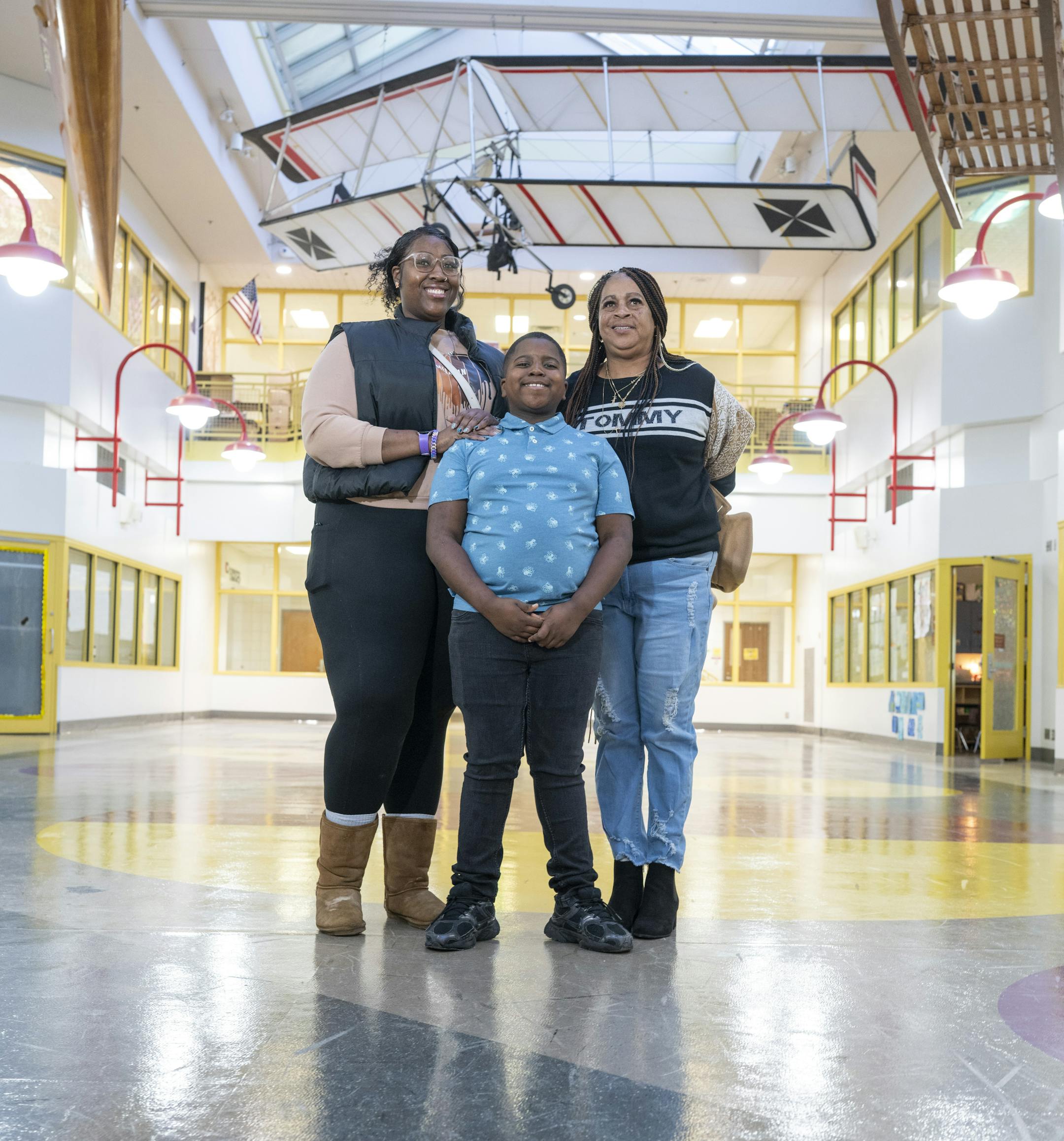
The staff at Benjamin E. Mays are committed to the program’s mission to nurture and model the brilliance of every child through a learning environment grounded in love, equity, rigor, high expectations and cultural pride. Photo Credit: Scott Streble

“If you’re unsure about what the school has to offer, please come by and get to know the community,” says Principal Hughes. “Ben Mays can be a home for anyone.”

With so many educational options available, and so much at stake, the members of the Afrocentric planning team encourage parents to do their research, consider the unique learning needs of their children, and most of all, to dream of a brighter future for the next generation.

“When I think about what is possible for this new Afrocentric school and what our community needs, it’s for our children to reclaim the joy of wonder and curiosity about who they are in the context of our community, our cultural history and our heritage,” says Ford from the Network for the Development of Children of African Descent.

“At Benjamin E. Mays, we envision a community where every child stands rooted in cultural pride, self-awareness and academic excellence,” adds Hughes, echoing the vision of the Afrocentric program. “Through the lens of African-centered values and perspectives, we aim to nurture changemakers who lead the world with purpose and compassion.”