
St. Paul doesn’t pay ransom for cyberattack

The city identified the hacking group that reportedly attacked the city’s systems last month.

The Minnesota Star Tribune
August 12, 2025 at 1:21AM
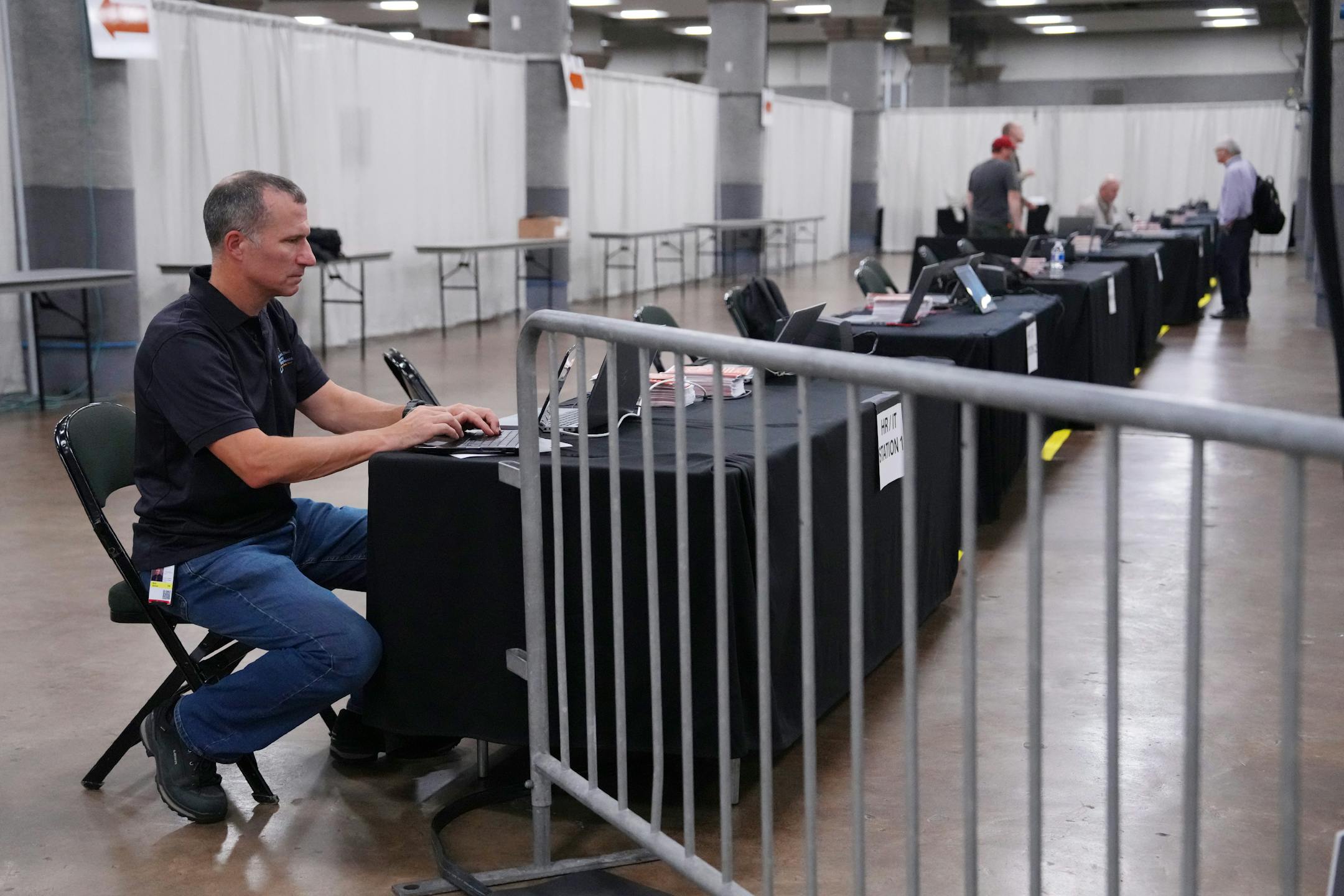
St. Paul director of emergency management Rick Schute works to set the Secure St. Paul global password during a media tour Saturday at the Roy Wilkins Auditorium in St. Paul. (Anthony Souffle/The Minnesota Star Tribune)

The hackers who attacked St. Paul’s city online services about two weeks ago dumped their stolen data online Monday after the city refused to pay an unspecified ransom.

On Monday, the city said the hacking group – identified as Interlock – made off with 43 gigabytes of the city’s 153 terabytes of data. The files posted online came largely from a shared network drive from the city’s Parks and Recreation Department.

Officials said they think the value of what was stolen was limited.

“Instead of trying to go and sell the data they had, they released it for free,” Mayor Melvin Carter said, on Monday during a news conference.

Carter said the decision not to pay the ransom was based off several factors – officials’ confidence that they were not going to lose access or control of St. Paul’s online system; the hackers did not demonstrate what data they had when asked; and the advice of cybersecurity experts.

Nevertheless, Carter said he has directed staff to offer a year of free credit monitoring and identify theft insurance to all city of St. Paul employees. Meanwhile, the effort to ensure that no security threat remains is ongoing – and Carter said Monday that some disrupted systems may go back online later this week.

Carter announced Monday the city had reset passwords for 2,600 out of about 3,000 city employees. On Tuesday, a city spokesperson said at least 900 employees still needed password resets.

Staff and members of the Minnesota National Guard are still working on installing advanced security software on all city devices and resetting them – along with combing through all of the city’s servers, applications and systems for any remaining security threats.

Carter emphasized that it’s an “incredible operation” that will take time to complete. He said some systems may return online later this week.

“While the scope of what they stole from us is far smaller than what they’ve accomplished elsewhere, the fact remains: someone was inside our systems and once that happens there’s no way to guarantee they could not have accessed more,” he said.

The cyberattack was detected July 25 and led to the shutdown and disruptions of internet service at city libraries and recreation centers as well as online payment systems that handle water and sewer bills no longer working.

Carter described the hacking group as a sophisticated criminal organization that steals data from corporations, hospitals and city governments with the intention of selling it. Three days before the attack on St. Paul, the federal Cybersecurity and Infrastructure Security Agency posted an advisory warning for businesses and other institutions to protect from Interlock ransomware.

This story originally misstated the number of St. Paul employees who had finished resetting their passwords as of Monday evening.

about the writer

about the writer

Elliot Hughes

Reporter

Elliot Hughes is a general assignment reporter for the Star Tribune.

See Moreicon

More from St. Paul

See More
card image
Sofia Barnett

The City Council will take another week to finalize resolution language. The city will also fund immigrants’ defense and naturalization in 2026 budget.

The setting sun illuminated the St. Paul skyline, with city hall on the left, as seen from Harriet Island Park.
card image