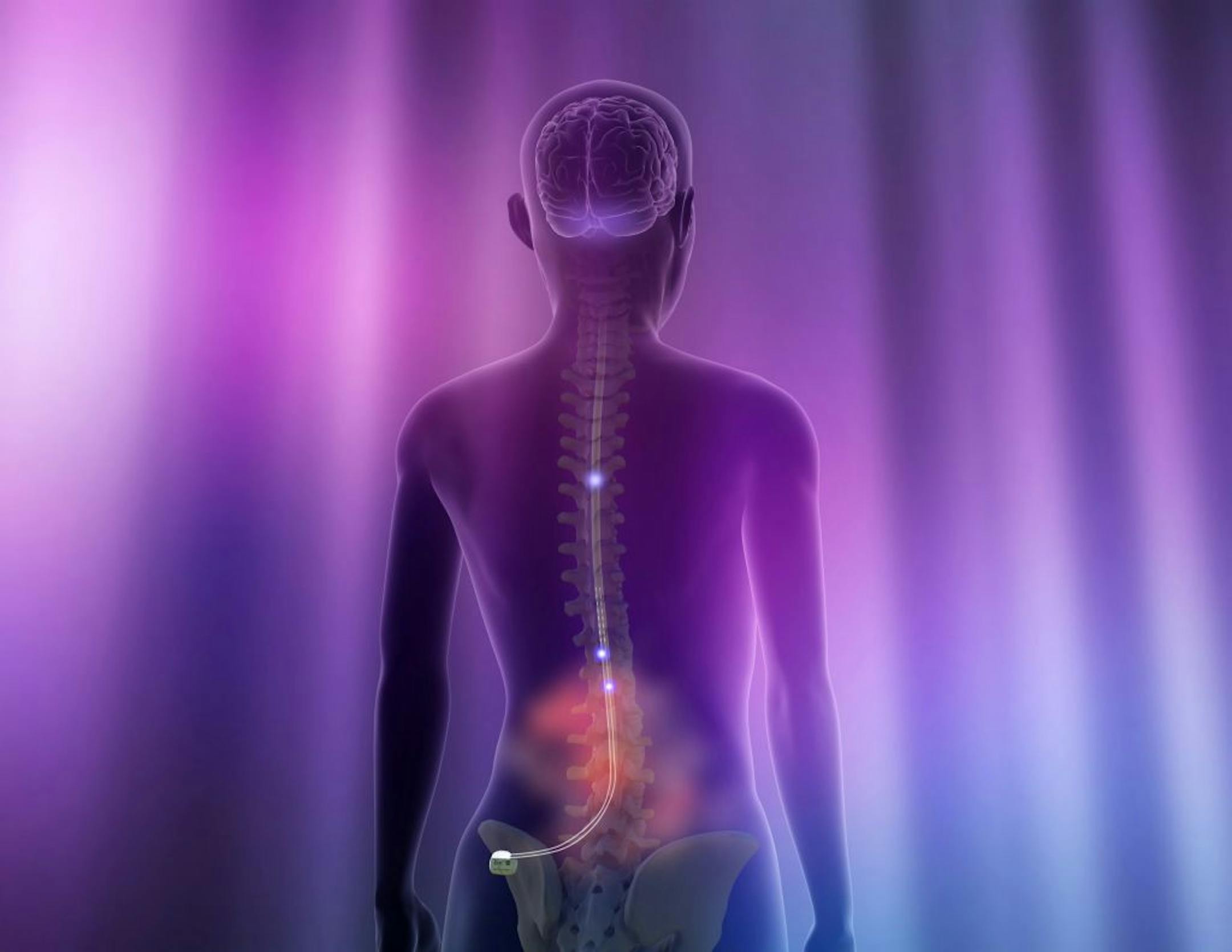
There hasn't been a moment in the last 10 years in which Guinevere Janes' head didn't throb with migraine pain.
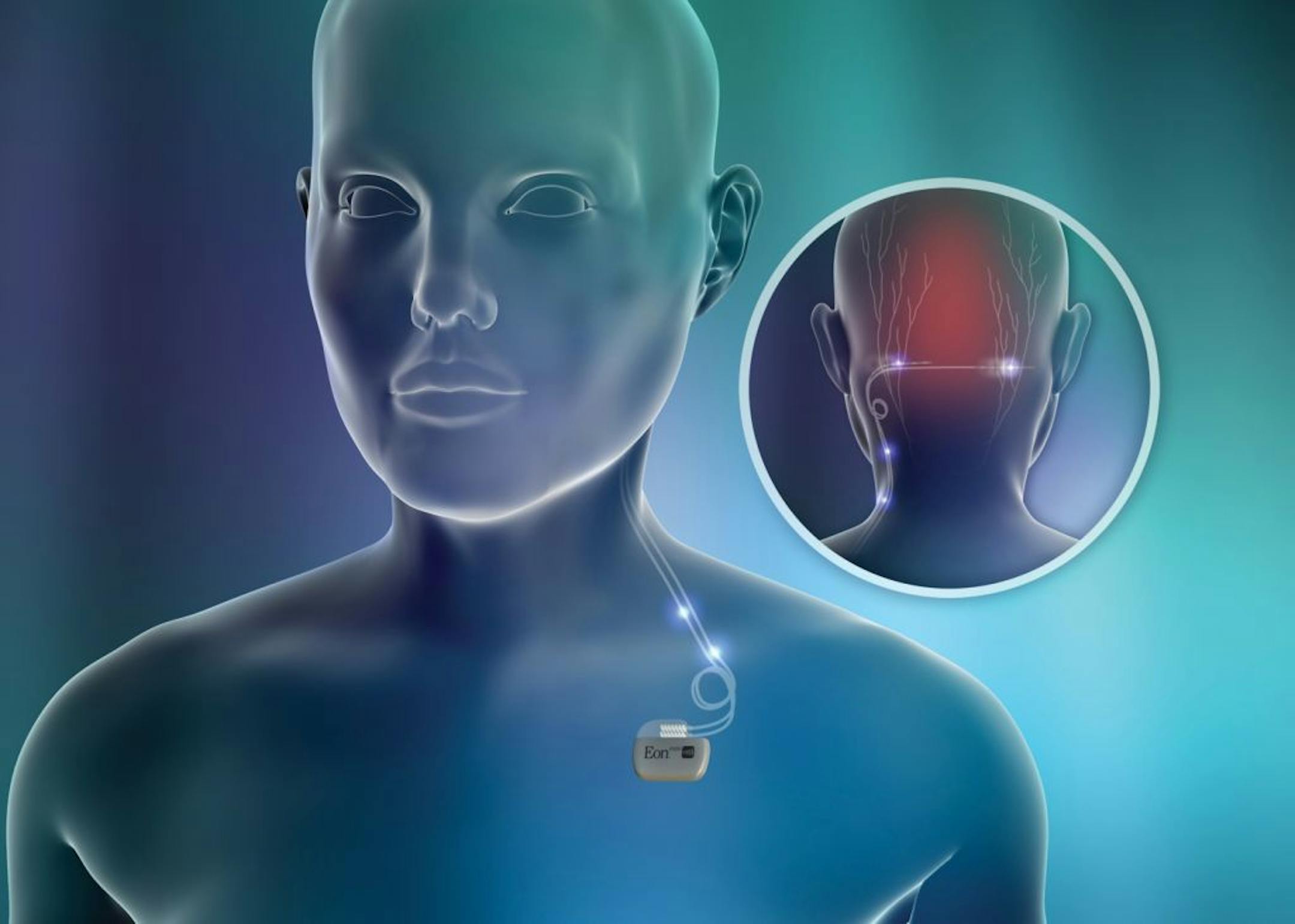
Before she was implanted with a St. Jude device that sends tiny pulses of energy to the occipital nerve at the base of her skull, her pain often measured a 10 on a scale of 1 to 10.
On Friday, she said her pain was a "3," thanks to the product she has had in her body since 2008 as part of a clinical trial here in the United States.
What does that reduction in pain mean for Janes, who is disabled by migraine? "It means that I am able to at least get up every day and read. It means that I can play with my niece and nephew," said the 38-year-old. "I am able to have a relationship with my family."
Increasingly, headache experts and med-tech companies such as Little Canada-based St. Jude are exploring the potential of peripheral nerve stimulation (PNS), using implantable medical devices to provide migraine relief to people for whom medication does not work. Clinical trials, such as the one in which Janes has been a participant, are showing promise.
"These are people who have headaches, more often than not, every day of their lives," said Dr. Stephen Silberstein, who founded and directs the Jefferson Headache Center at Thomas Jefferson University in Philadelphia and directs the trial in which Janes is enrolled. "We're taking the worst of the worst."
Last month, St. Jude Medical announced that it had received European approval for its Eon Mini neurostimulator, as well as its Eon and EonC neurostimulators, to treat intractable chronic migraine. The devices are like tiny pacemakers that send a programmable pulse to alleviate pain for people who have migraines at least 15 days a month. The devices still are awaiting approval by the U.S. Food and Drug Administration.
Before winning European approval, St. Jude conducted a large-scale study to evaluate PNS's impact on chronic migraine pain. After 12 weeks of stimulation, patients reported an average of six fewer headache days a month. After one year of stimulation, St. Jude reported that 65 percent of patients said they had excellent or good pain relief; 89 percent said they would recommend the procedure to someone else.