WASHINGTON — This year has brought an unusually grim and steady drumbeat of violence throughout the country.
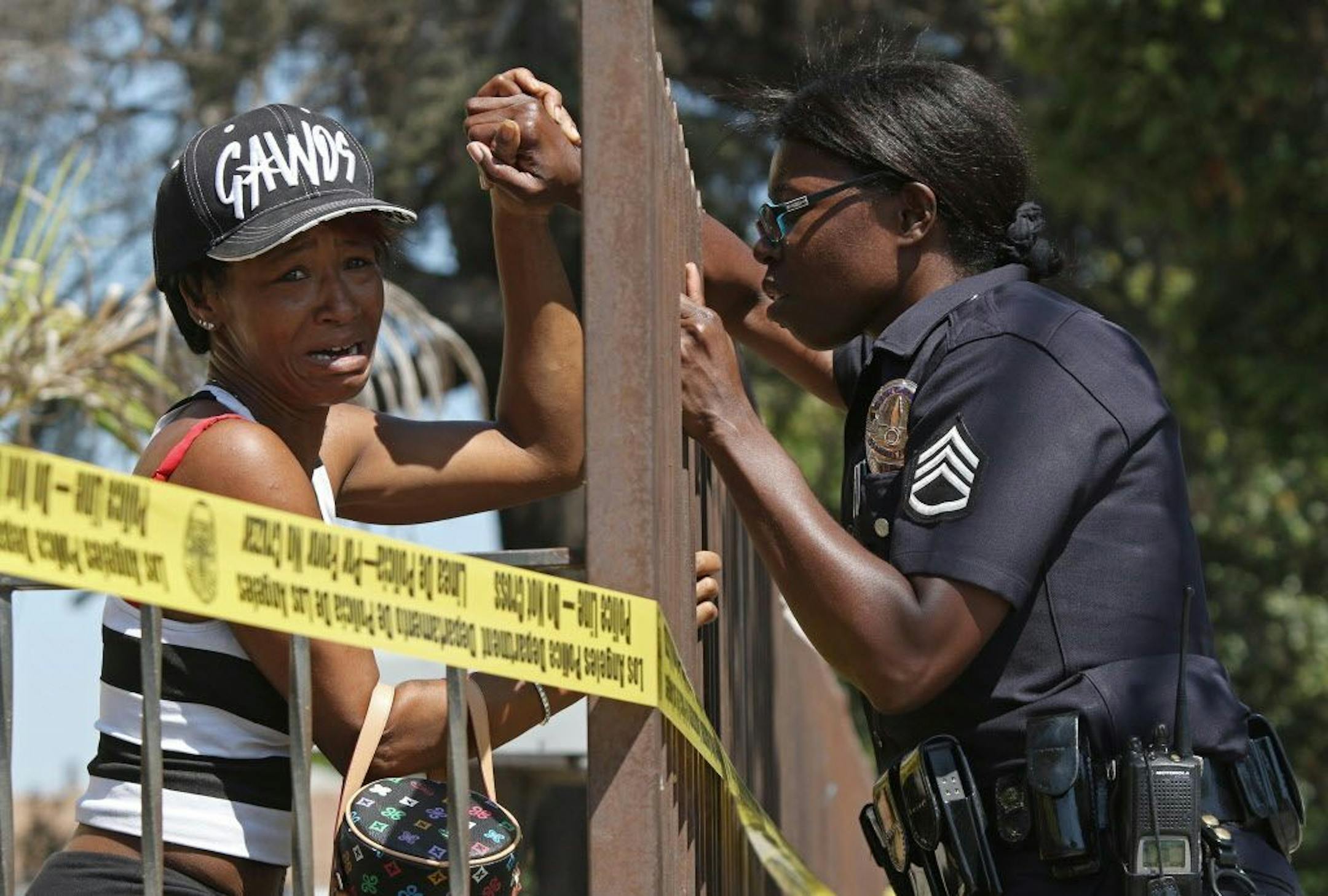
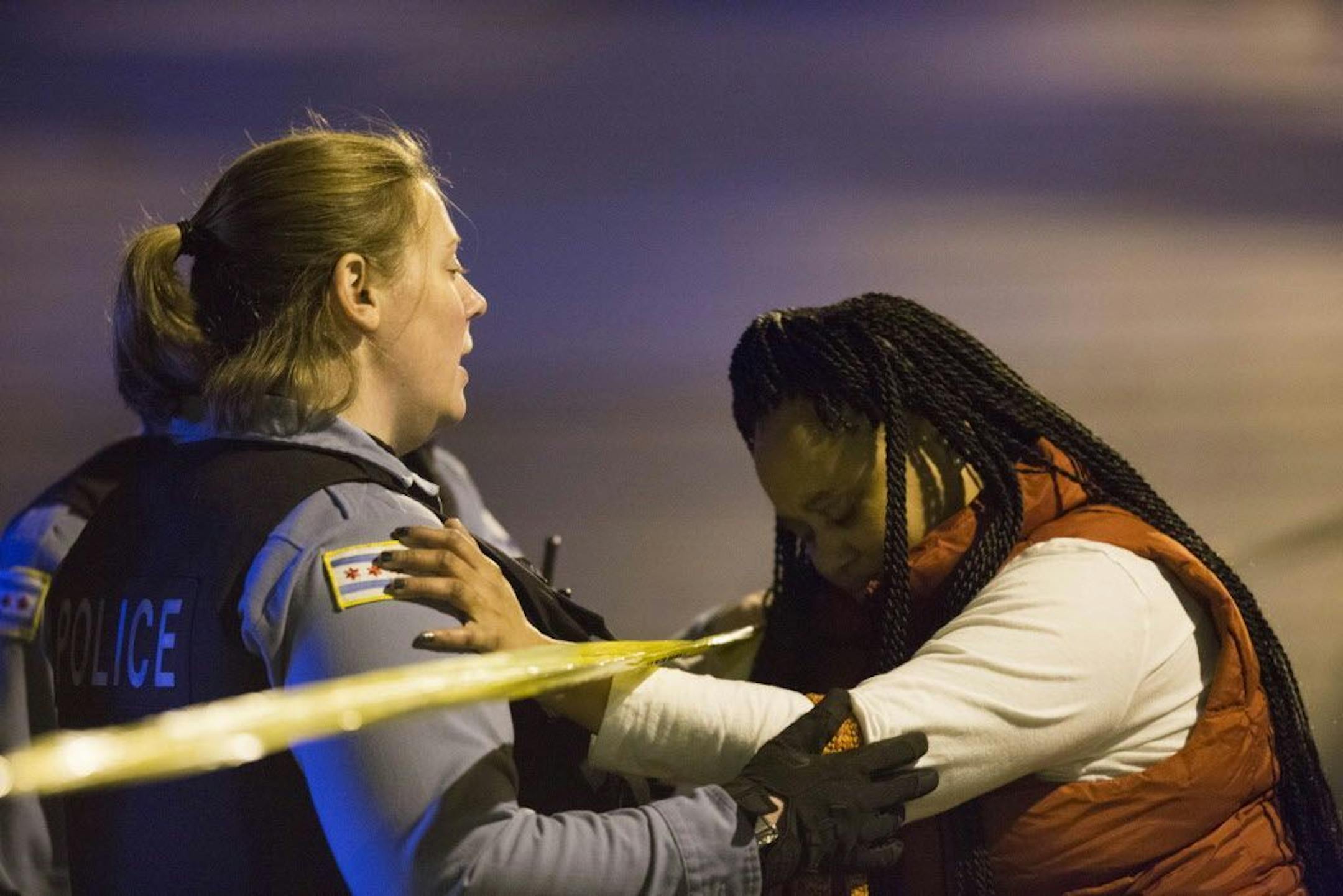
A 5-month-old girl killed this month in Cleveland in a drive-by shooting. Seven people slain in Chicago over the July 4th weekend. A young female journalist in Washington, D.C., fatally struck by a bullet in May while waiting to change buses.
Violent crime has often been considered a local government concern and a problem that had been on the decline. But rising homicide totals in most of America's large cities have raised alarms within the Obama administration, with federal officials drawing urgent attention to the problem before Congress, at conferences and in speeches.
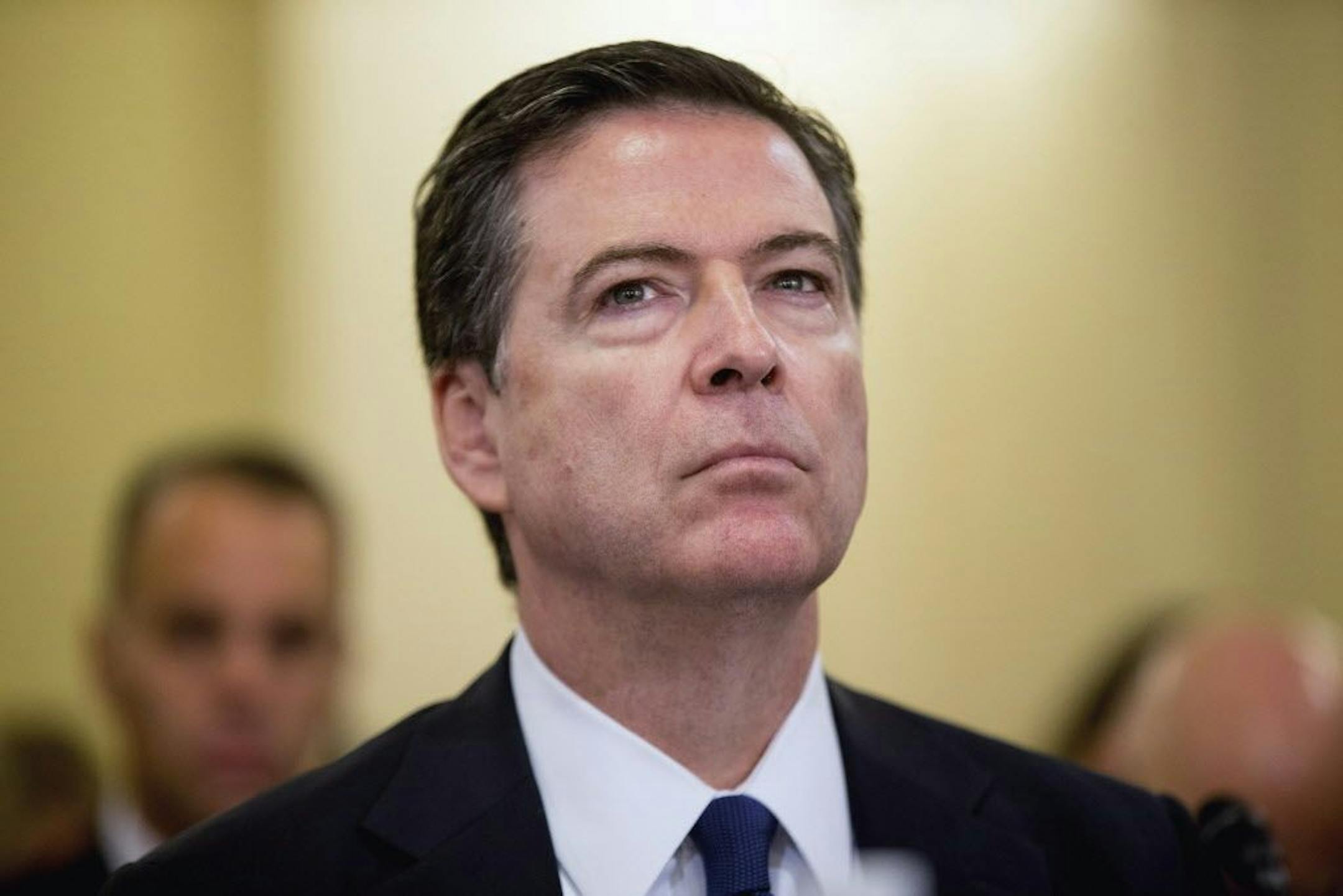
The Justice Department this month organized a brainstorming summit with mayors and police chiefs. FBI Director James Comey, testifying before Congress last week, said the "very disturbing" homicide spike has law enforcement scrambling to figure out why it's happening now, and why in so many cities that seemingly have little in common otherwise.
"It's happening all over the country, and it's happening all in the last 10 months," Comey told the House Judiciary Committee. "And so a lot of us in law enforcement are talking and trying to understand what is happening in this country. What explains the map? What explains the calendar? "
President Barack Obama addressed a meeting of International Association of Chiefs of Police in Chicago on Tuesday, where he defended police officers for doing their jobs with "distinction" and said they had been scapegoated for the failures of society and the criminal justice system. Attorney General Loretta Lynch had also been expected to speak, but her appearance was canceled because she was not feeling well.
Though the homicide totals are rising, they're nowhere close to levels of the early 1990s, when the crack cocaine epidemic contributed to hundreds of homicides a year in some cities.
Even so, federal officials are concerned that the current trend comes as a series of high-profile police shootings of young black men have driven a wedge between police and their communities and placed policing tactics under extraordinary scrutiny. Each instance of perceived officer misconduct, and each time an officer is physically attacked while on patrol, risks widening that divide, Comey has said.