

In fine fettle after an acclaimed excursion to New York (where they played Shostakovich and Brad Mehldau in Carnegie Hall), the St. Paul Chamber Orchestra took the stage Friday in the Ordway Center with a program that paid homage to two other musical capitals: Paris and Vienna.
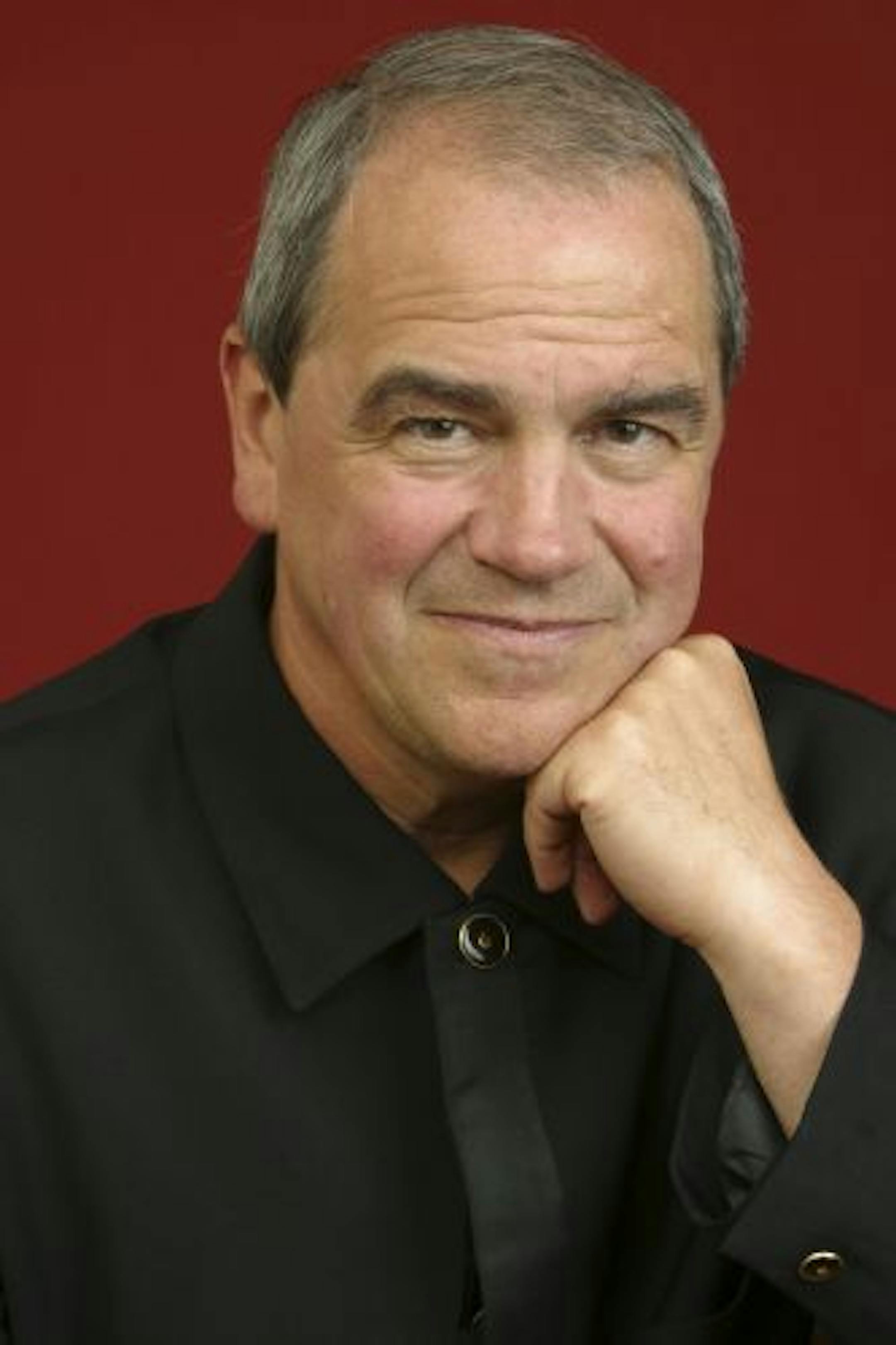
On the podium was Austrian conductor Hans Graf, who in 2013 will conclude a 12-year tenure as music director of the Houston Symphony.
The Parisian contingent consisted of Gabriel Fauré and his sometime pupil Maurice Ravel. With his gauzy, often uneventful musical surfaces, Fauré can be mistaken for a high-end salon composer.
But his incidental music for Maurice Maeterlinck's "Pelléas and Mélisande" -- a melancholy play that also captured the imagination of Sibelius, Debussy and Schoenberg--belies any such characterization.
Graf and the SPCO found a tender beauty in Fauré's Prélude; the music benefited from a hint of restraint. Textures were lustrous, balances unerring.
Substitute flutist Jasmine Choi played exquisitely in the Sicilienne. Still, I missed the dulcet tones of longtime principal Julia Bogorad-Kogan, who's nursing an injury.
Ravel's "Mother Goose" music grew from children's four-hand piano pieces to an orchestral suite and then expanded into a half-hour ballet score. Somewhere along the way, it ceased to be naive. The ballet, in particular, conjures storybook simplicities with sophisticated means; it's a complex, idiosyncratic meditation on childhood. The performers, alive to the work's dazzling array of colors and instrumental effects, captured its aura of magic and delight, without slighting its occasional sadness.
Representing Vienna was Franz Schubert, who was 19 when he wrote his Fourth ("Tragic") Symphony, with its arresting opening and its audible efforts to integrate the work of his forebears, especially Beethoven. Here, Graf was on home turf.


