

My garden is somewhat unconventional. Instead of selecting plants for their beauty, I choose them for what they offer the birds and bees.
I love the bright blossoms of monarda, but it earned a place in my back yard because of the bees, flies, butterflies and hummingbirds it supports. I chose the chokeberry, a handsome little shrub, not for its gorgeous fall color but for its berries, which are a treat for robins and migratory sparrows.
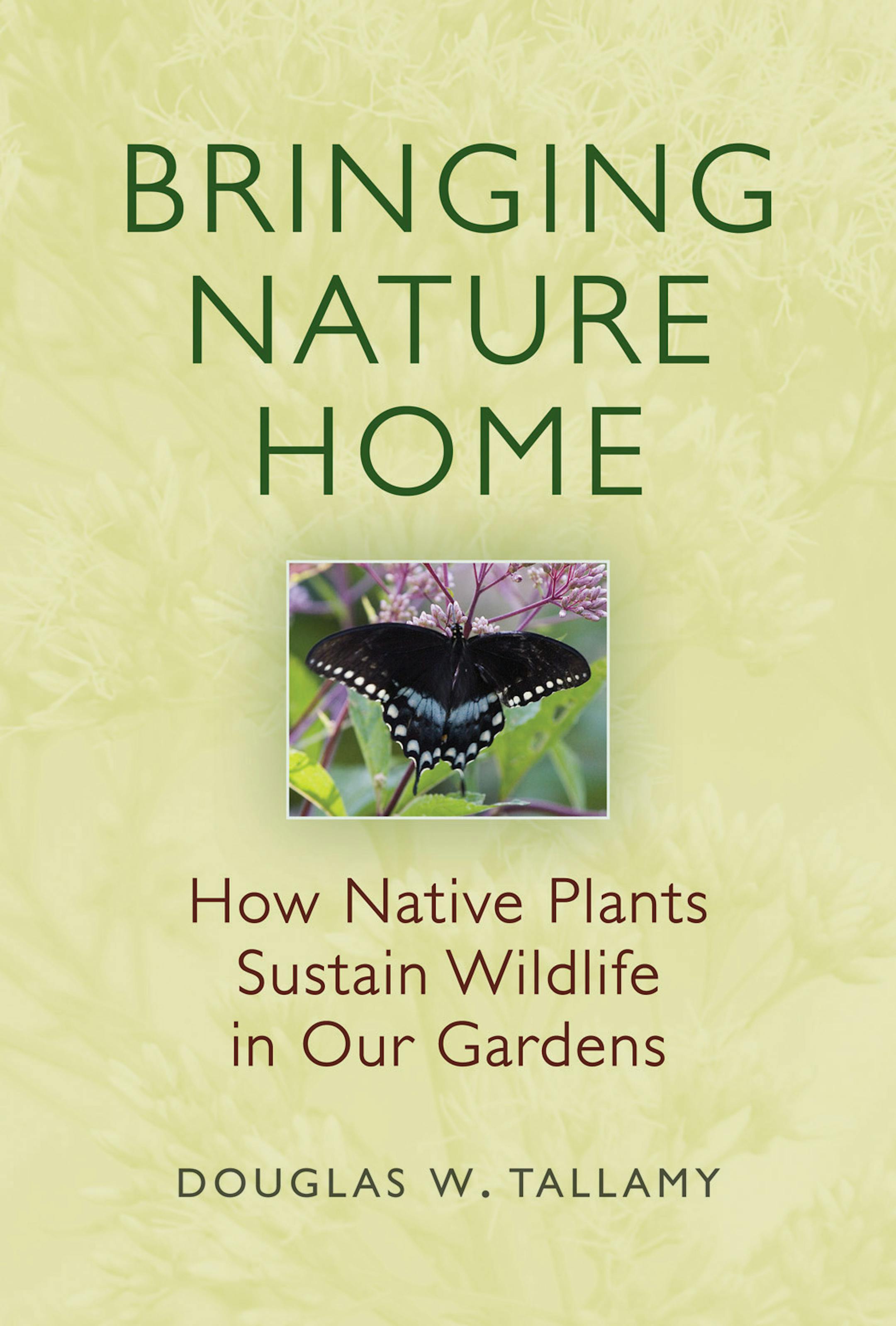
What I'm really after is insects. As Douglas Tallamy writes in his new book, "Bringing Nature Home," nearly all of our back-yard birds rely on insects and spiders to feed their young. So I'm planting to attract insects to attract birds, a simple and effective equation.
Native plants are always my first choice, since native wildlife evolved to make use of them. Native plants also take less work and require fewer resources to survive. And if a native escapes the garden (as birds expel berry seeds, for example), it generally won't overpower other natives in the nearby park and woodlands, as aliens could.
What's in my garden
Where the non-native lilac hedge used to be I've planted viburnum, elderberry and dogwood, all of which offer birds food and shelter. Catbirds love to skulk among the shrubs' thick branches, cardinals line up for the berries and autumn sometimes brings a towhee to scuff around in the leaf litter. The serviceberry offers plenty of places to perch as well as late summer fruit.
The trumpet creeper vine twines along a fence, and a Dropmore honeysuckle is curling up a metal arbor out back. Their spectacular, long-lasting blooms are hummingbird magnets.
Sedum, cone flower, joe-pye weed, black-eyed Susan and cardinal flower host leaf-eating caterpillars in spring, nectar-seeking butterflies and bees in summer and seeds for eager finches in winter.


