

Kang Sun Bong once considered tiny Sorok Island "hell on earth," a place where hospital workers beat the leprosy patients exiled here and forced them into harsh labor, sterilizations and abortions. But three years ago, old, sick and broke, Kang returned to the place he'd been banished to with his mother decades ago.
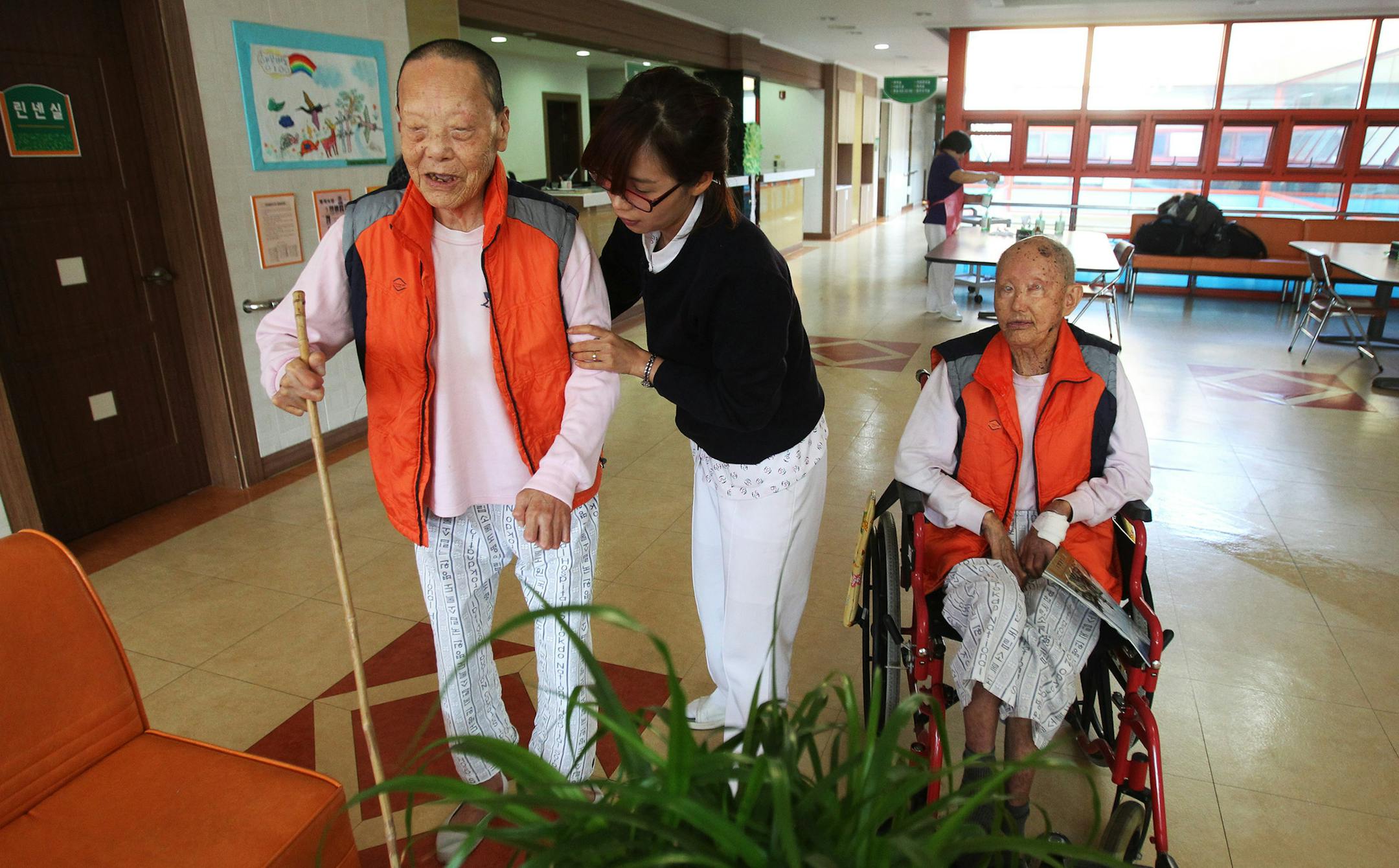
His savings wiped out by cancer treatment, the 74-year-old now hopes to live the rest of his life with hundreds of other former patients on Sorok Island, which sits off South Korea's southwestern tip and has become a mini-welfare state.
Despite the misery many say they endured here, dozens are returning each year, partly for the free medical care, food and housing offered to former sufferers of the disease. But the onetime place of exile has also become a peaceful refuge for many after years of discrimination and hardship, the only place they feel at home.
"I came here because I thought I should die while being nursed," said Kang, who had a bitter childhood here, but came back to find the island had utterly changed.
Most returnees are cured of the disease and are free to live wherever they choose. But many say life is better here than outside the island, where prejudice against leprosy still runs deep.
Yu Myung-sun, 61, who lived on Sorok for six years until 1974, returned in 2008 after living with other former leprosy sufferers in a village near Seoul. People outside the village "wouldn't even look at me … restaurants wouldn't sell meals to us," Yu said.
"People on Sorok Island make me feel at ease," she said, wearing a pair of big sunglasses, her face dotted with black spots from anti-leprosy medication. "I feel comfortable here and this is where I'll die."
Starting about a decade ago, the number of returning former patients began gradually increasing. Over the past few years, about 70 people, mostly former residents, have resettled here each year.


