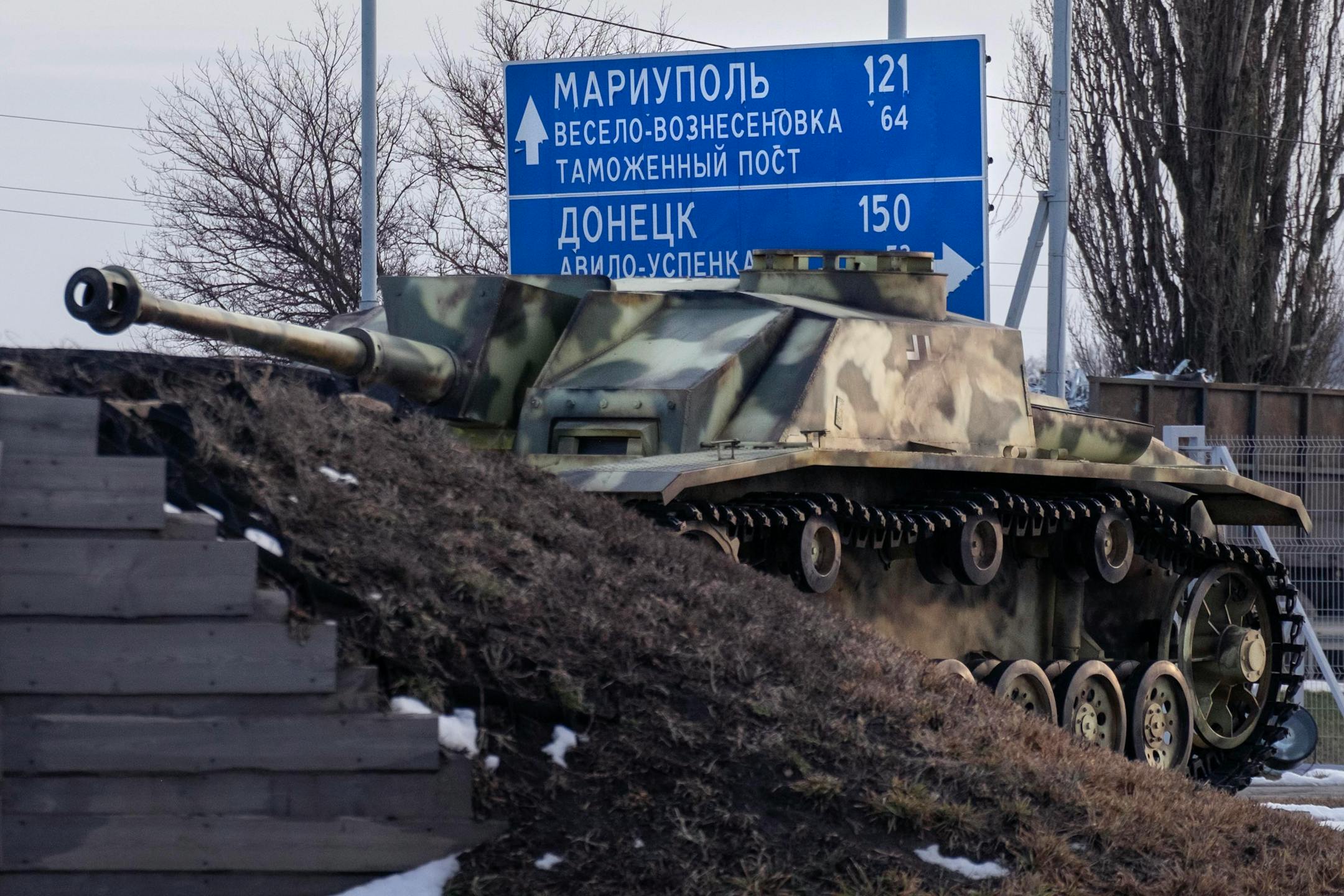
Days after Russian tanks rolled into Ukraine, Maria, a 37-year-old mother in western Russia, downloaded a virtual private network, an effort to circumvent the blockade she saw descending across the country's Internet.
The instinct proved correct. As the Kremlin began reversing years of relative Internet freedom and restricting American social networks and Western news sites, the VPN proved a lifeline, allowing her to chat with a friend in the United States and read updates on Facebook and Instagram, refreshing news about the war every 10 to 20 minutes. Maria thinks the conflict is a "tragedy" and says reading about it leaves her with "anger, sadness and empathy."
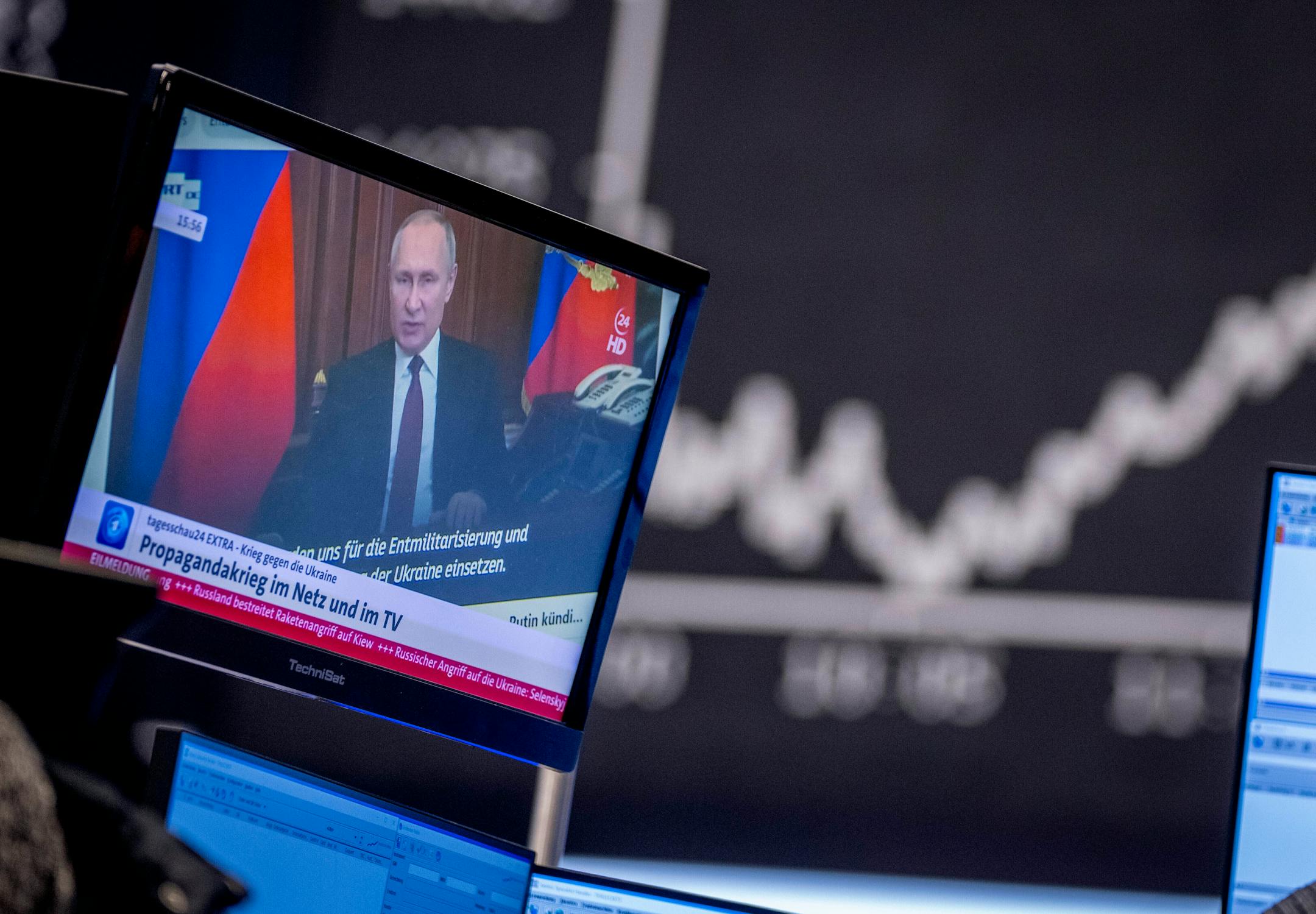
But Maria says her mother believes what she sees on Russian-state run television, where the Russian invasion is portrayed as a righteous military campaign to free Ukraine from Nazis. The different visions have led to bitter arguments, and after one that left her mother in tears, Maria vowed to stop talking to her about the war.
Some Russians - often with social, educational or professional ties to the United States and Western Europe - are trying to pierce Russian President Vladimir Putin's propaganda bubble, at times leaving them at odds with their own families, friends and co-workers. The war in Ukraine is only deepening the divide that was already present between young, tech-savvy people and an older generation who gets their news mostly from TV and has always been more comfortable with Putin's vision of the country.
Nearly 85% of the country's population is online, according to data from the World Bank. But only some of those people use American social networks. In 2022, about half of Russian Internet users were on Instagram, and only a fraction were on Facebook and Twitter, according to data from research firm eMarketer.
Many Russians who go online have come to rely on a range of digital tools to outmaneuver Russian censors. They seek out independent news about the war online, splitting them from others whose information comes from government propaganda that floods TV, government-backed websites and large swaths of social networks that remain unrestricted, like Telegram or VK, which are home to many pro-government groups.
This ideological gulf was reflected in interviews with a half-dozen people in Russia, who in most instances spoke on the condition of anonymity to avoid violating the country's fake news law.
"Shock, hatred and depression," are the words Mikhail Shevelev, a Moscow-based journalist, uses to describe the "very serious" and "drastic" divide that has emerged between people reading independent online sources and those who primarily get their news from TV.