
Some foods aren't worth buying organic

Items such as the 'clean 15' fruits and vegetables are just fine in their conventional forms. Here's a guide.

August 24, 2011 at 8:00PM
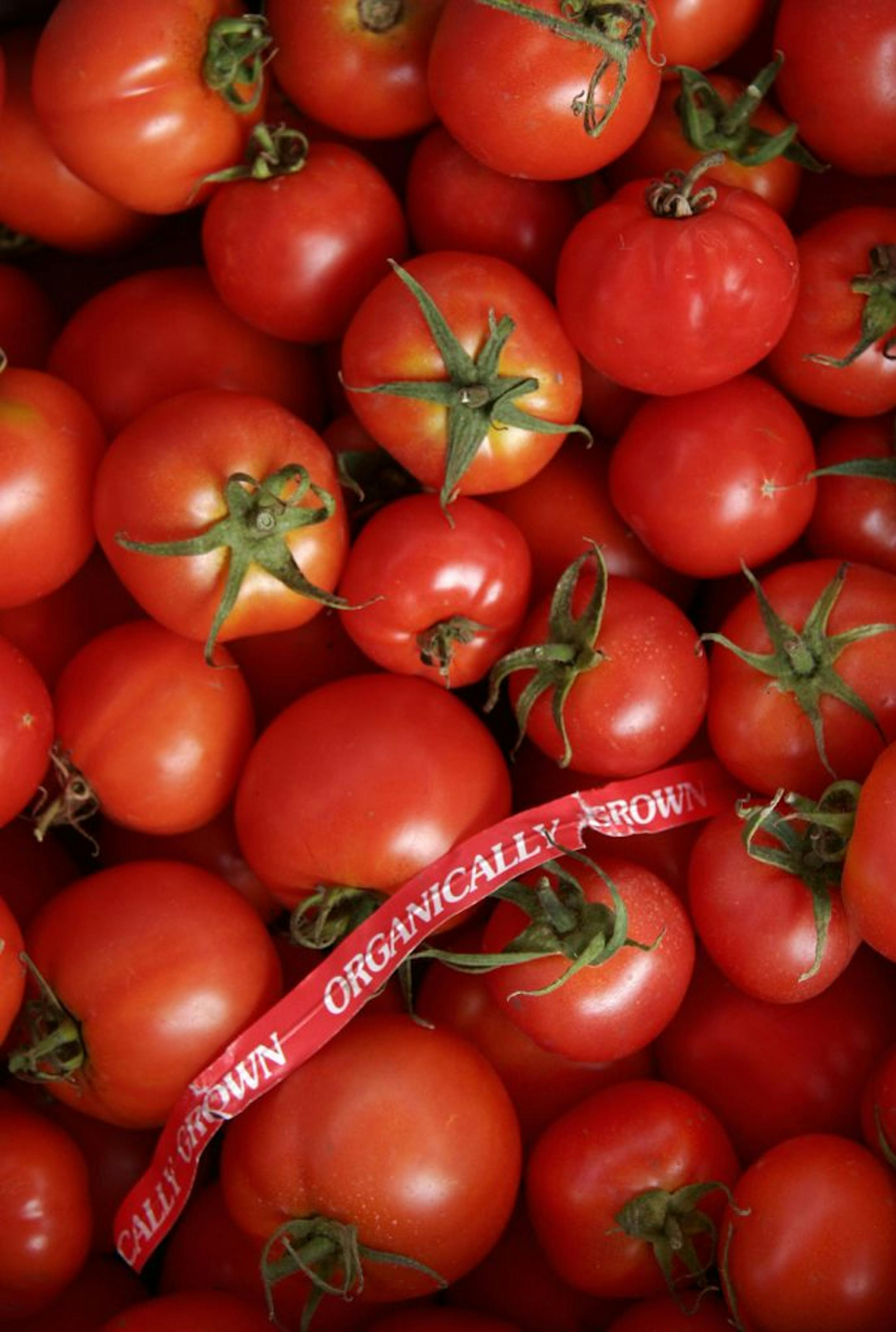
Organic tomatoes
Organic tomatoes (Star Tribune/The Minnesota Star Tribune)

Step into any health food store, and you might feel as though you've stepped into an alternate universe: On those earthy-crunchy shelves, you're likely to find an organic version of just about everything, including cotton candy and chewing gum.

While it's true that organic "junk foods" are better for the planet (possibly due to less packaging or more environmentally sound manufacturing processes), they generally aren't better for you.

Similarly, certain fruits and vegetables that are available in organic varieties might be just fine in their conventional form.

A shopping guide created by the nonprofit Environmental Working Group (EWG) includes a list of the "clean 15" -- the conventional produce selections that are lowest in pesticides and therefore OK to purchase.

The bottom line is that you needn't go organic across the board. Here are some items that you can confidently buy in conventional form:

Soda

A six-pack of organic soda costs more that regular varieties. Yes, it's made without high-fructose corn syrup, but each can contains 160 calories (20 more than 12 ounces of Coca-Cola Classic) and no nutrients.

Low calorie, sugar-free items

If organic sugar-free cookies sound too good to be true, they probably are. Check the label for artificial sweeteners such as aspartame. If you're trying to keep it natural, you're better off choosing a non-organic baked treat that's free of fake sugars.

Seafood

Whether caught in the wild or farmed, fish can legally be labeled organic even though it might contain contaminants such as mercury and PCBs, according to the Consumer Union. That's because the USDA has not yet developed organic certification standards for seafood.

Onions

These underground wonders rank lowest on the EWG's pesticide-load list. Stock up with conventional onions at the supermarket, and store them in a cool, dry place such as a pantry closet or low-humidity refrigerator door.

Frozen sweet corn

So much easier to prepare and enjoy than shucking niblets from the cob, and readily available year-round, conventional frozen corn is considered extremely low in pesticides. Use it in soups or corn-bread mix.

Tomatoes

More than half of the tomatoes screened by the EWG contained no detectable pesticides, although those that did were most likely to have evidence of more than one kind of pesticide.

Watermelon

A little more than one-quarter of the EWG's samples showed evidence of pesticides. Ripe watermelons usually are a uniform color inside and shiny outside.

about the writer

about the writer

PREVENTION MAGAZINE

More from Minnesota Star Tribune

See More
card image
J. SCOTT APPLEWHITE, ASSOCIATED PRESS/The Minnesota Star Tribune

The "winners" have all been Turkeys, no matter the honor's name.

In this photo taken Monday, March 6, 2017, in San Francisco, released confidential files by The University of California of a sexual misconduct case, like this one against UC Santa Cruz Latin Studies professor Hector Perla is shown. Perla was accused of raping a student during a wine-tasting outing in June 2015. Some of the files are so heavily redacted that on many pages no words are visible. Perla is one of 113 UC employees found to have violated the system's sexual misconduct policies in rece