

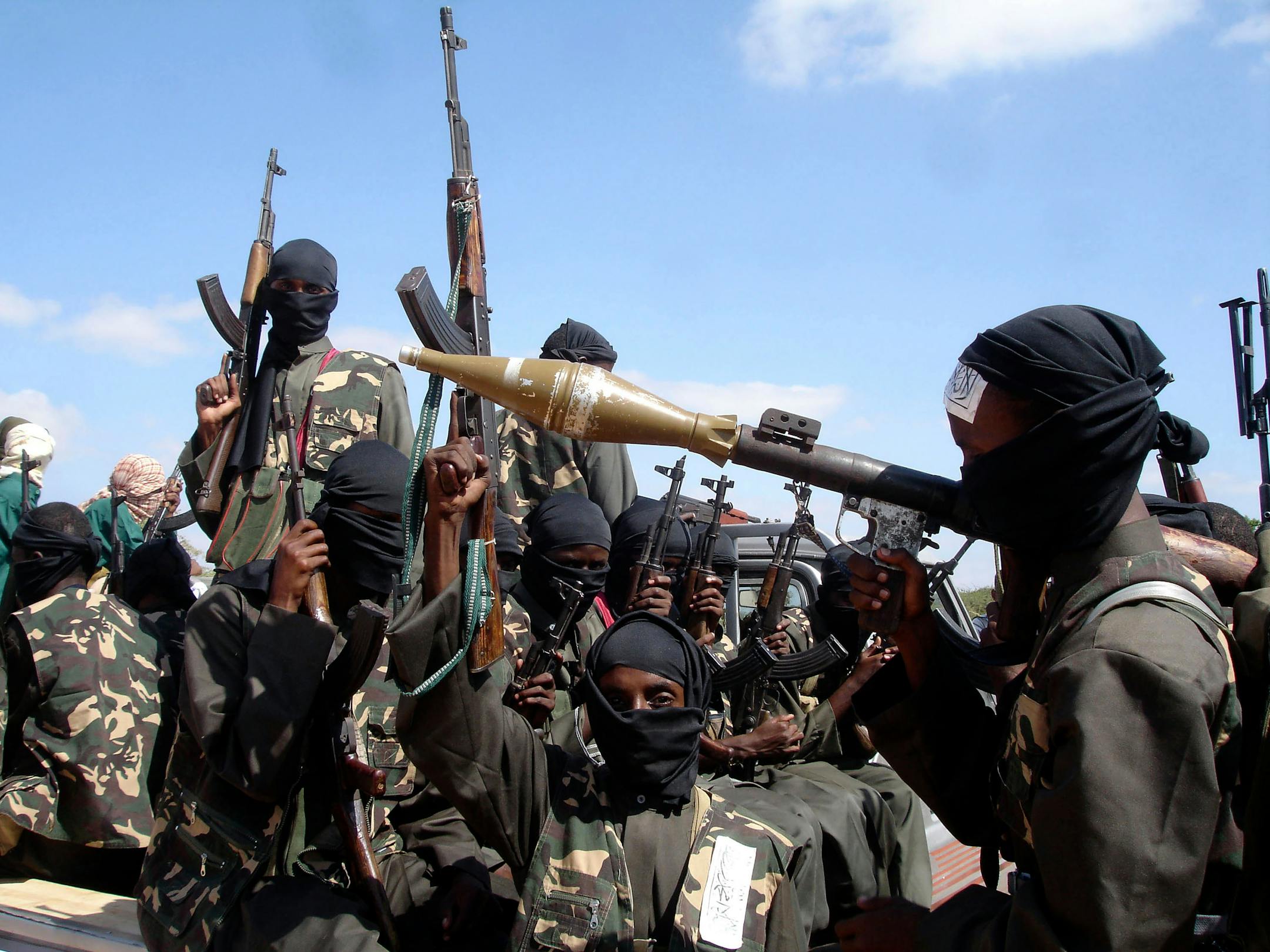
MOGADISHU, Somalia — U.S.-backed airstrikes and recently expanded ground operations have shifted momentum in Somalia ‘s long-running war against al-Qaida-linked al-Shabab militant group, the government says, touting successes in the fight such as efforts to reclaim territory from the extremists and the targeting of the group’s leadership and bomb-making network.
The turn comes at a pivotal moment: African Union peacekeeping forces are gradually drawing down and Somalia is assuming greater responsibility for its own security, nearly two decades after al-Shabab emerged as a dominant insurgent force.
Here is a look at what has changed and what remains uncertain in the conflict.
How Somalia got here
Al-Shabab emerged in the mid-2000s as the armed wing of the now outlawed Islamic Courts Union coalition before aligning itself with al-Qaida. At its peak, it controlled much of southern and central Somalia, including parts of Mogadishu, the country’s capital.
African Union troops pushed al-Shabab out of Mogadishu in 2011, but the group adapted, reverting to guerrilla warfare, suicide bombings, and targeted assassinations. It continues to raise millions of dollars annually through taxation and extortion, according to U.N. monitors.
The United States has carried out airstrikes in Somalia for more than a decade. In 2020, during his first term in office, President Donald Trump ordered most U.S. troops withdrawn. In 2022, President Joe Biden approved the redeployment of U.S. forces to Somalia, restoring a more sustained advisory and counterterrorism presence.
Retaking territory from al-Shabab
