

The soil in your garden doesn't just sustain life -- it's full of living things. We depend on these often invisible soil dwellers to make dirt a welcoming place for plants. Here's a closer look at what makes for good growing soil and what you can do to keep it as healthy as possible:
Worming in
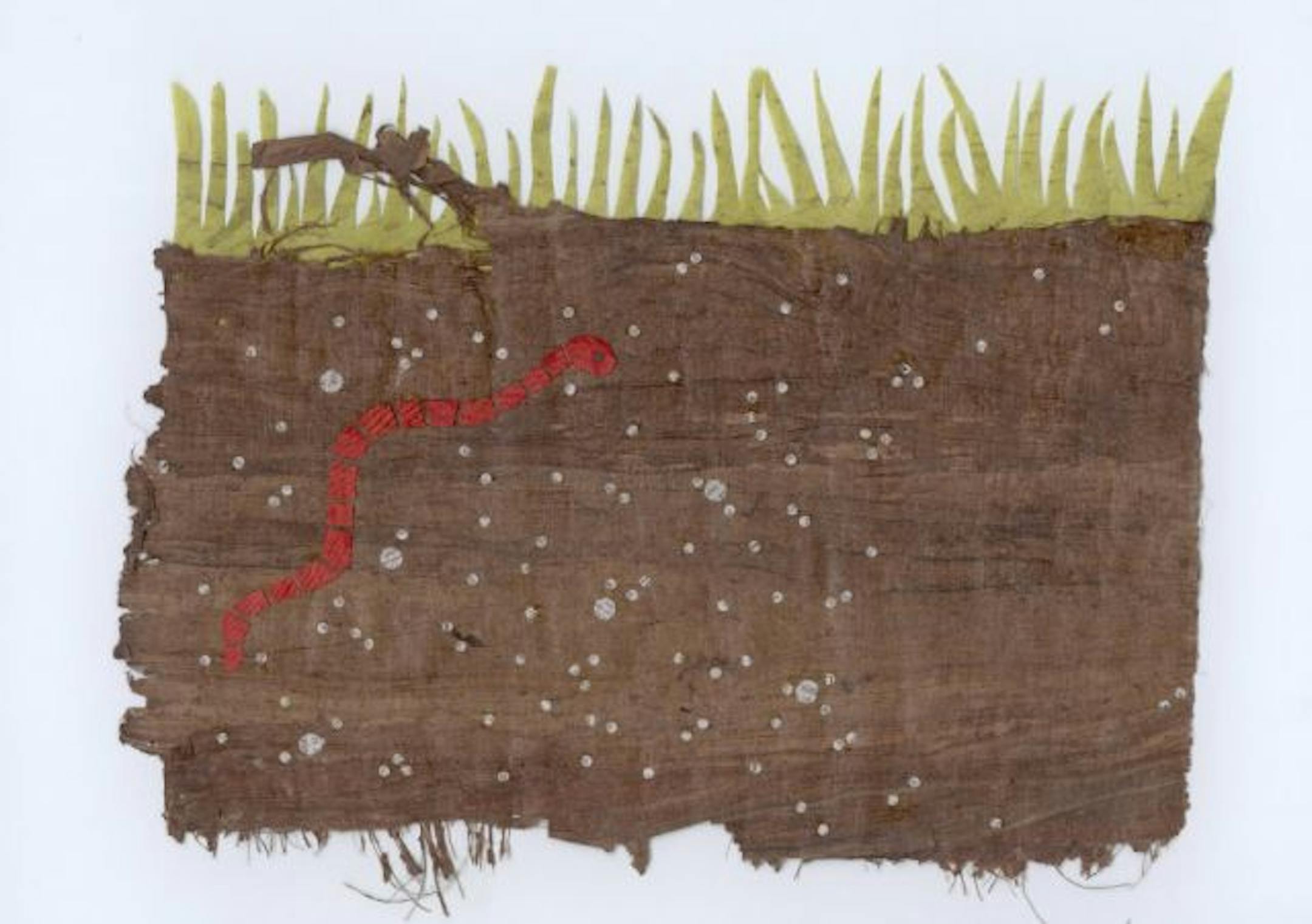
Everybody knows about worms. But do you know what they do to soil? The answer is two-part.
Earthworms burrow through the soil, which reduces compaction and allows air and water to move through the ground more easily. They also digest organic materials in the soil, breaking them down into smaller parts that release nutrients more readily. The worm castings that you see on the surface of the soil near a worm hole are an example. Those castings are rich in nutrients and naturally fertilize nearby plants.
However, growing numbers of worms might be too much of a good thing. Most earthworms that you see are not native species. European and Asian earthworms are thought to have come to the United States in the soil used as ballast in 18th- and 19th-century ships. There is growing concern that these earthworms are infesting North American forests and that they will change the soil and perhaps the forests themselves. That's why the Department of Natural Resources recommends that you never dump worms -- or worm-laden soil -- in wooded areas.
Essential fungi
Even though people don't like mushrooms in their yards, fungi play an important role in the soil. Many of the plants in your garden have a relationship with mycorrhizal fungi. These fungi, which are connected to the roots of your plants through the soil, collect phosphorus and other minerals. The fungi deliver these nutrients to the plant and, in return, receive carbohydrates from the plants.
Mycorrhizal fungi occur in most soils naturally, although some garden supply companies also sell them as a plant booster. Save your money. In most cases, your soil already has all the mycorrhizal fungi it needs.


