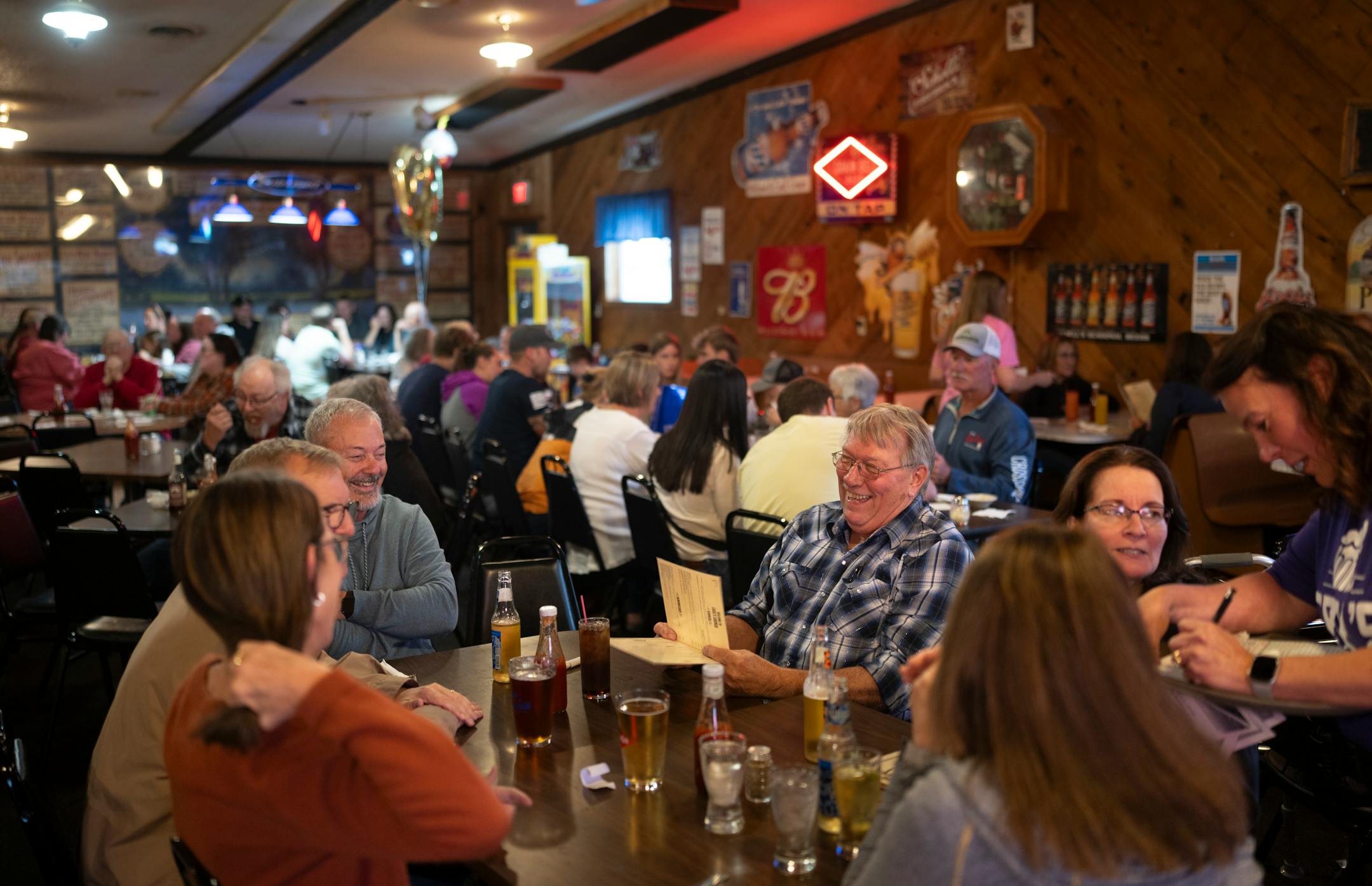
ESSIG, Minn. - On busy nights, the three streets of this unincorporated town of 35 people in southwest Minnesota overflow with rows of parked cars and trucks extending past the old grain elevator and toward the baseball field.
Some 400 to 500 people from across the state drive to Carl’s Corner for the restaurant’s famous broasted chicken.
Like many small rural Minnesota communities, Essig has shrunk over the decades, as the garage, post office and other businesses closed one by one. But Carl’s Corner remains.
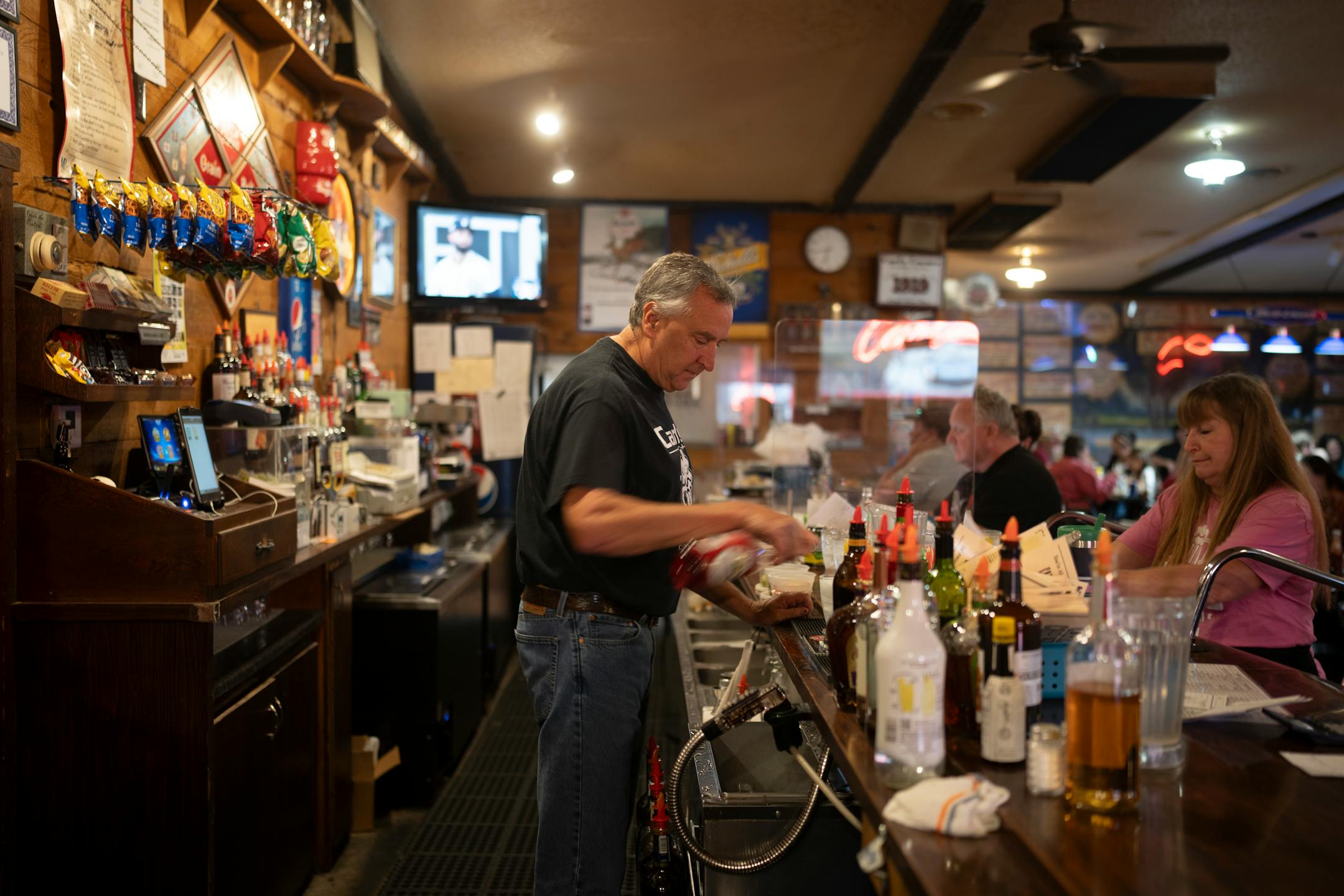
“If Carl hadn’t decided to rebuild this place, the whole town would have withered away,” said Joanie Rolloff, one of the regulars who has gathered there with friends for 50-cent coffee almost daily for the last three decades.
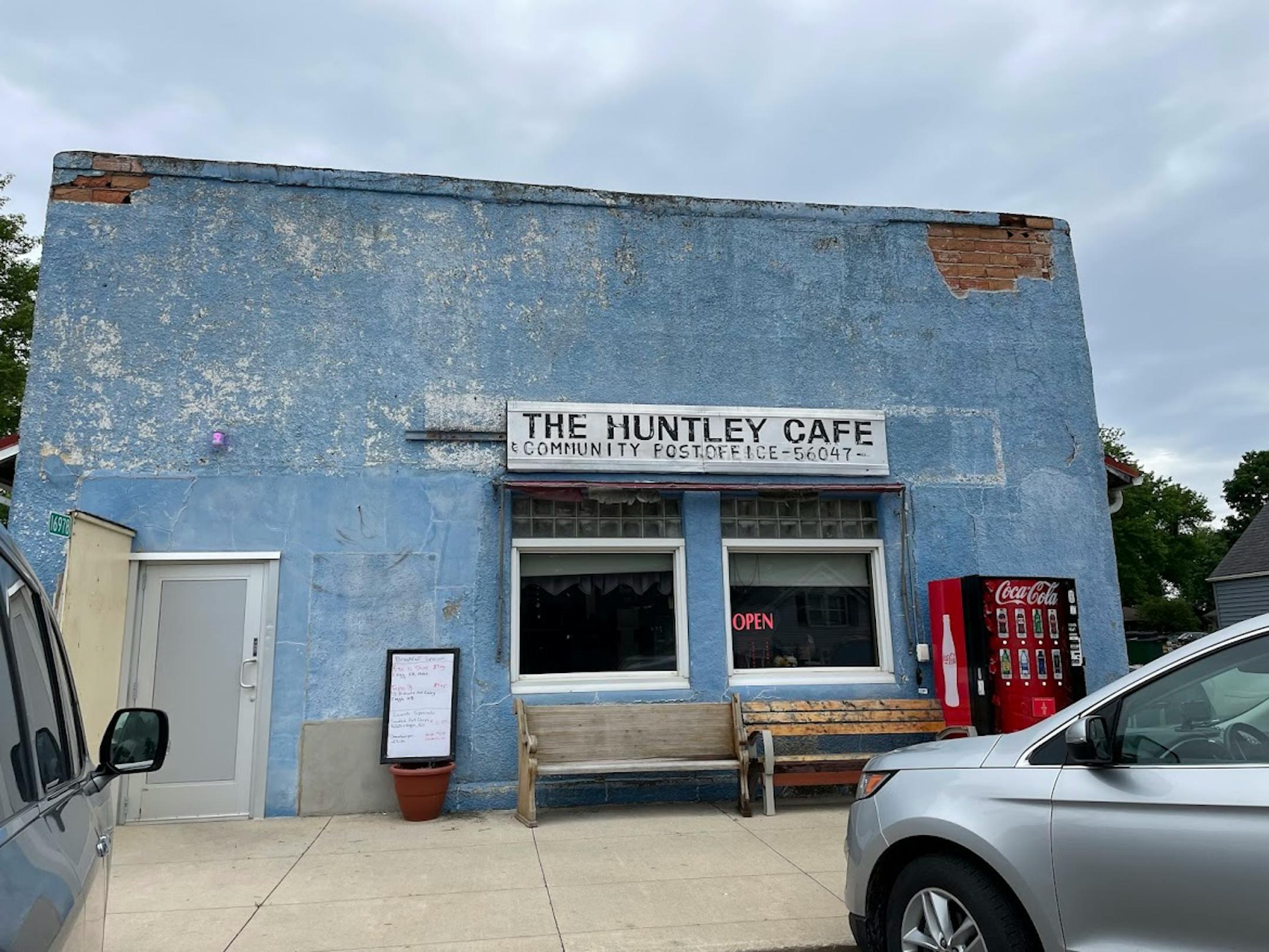
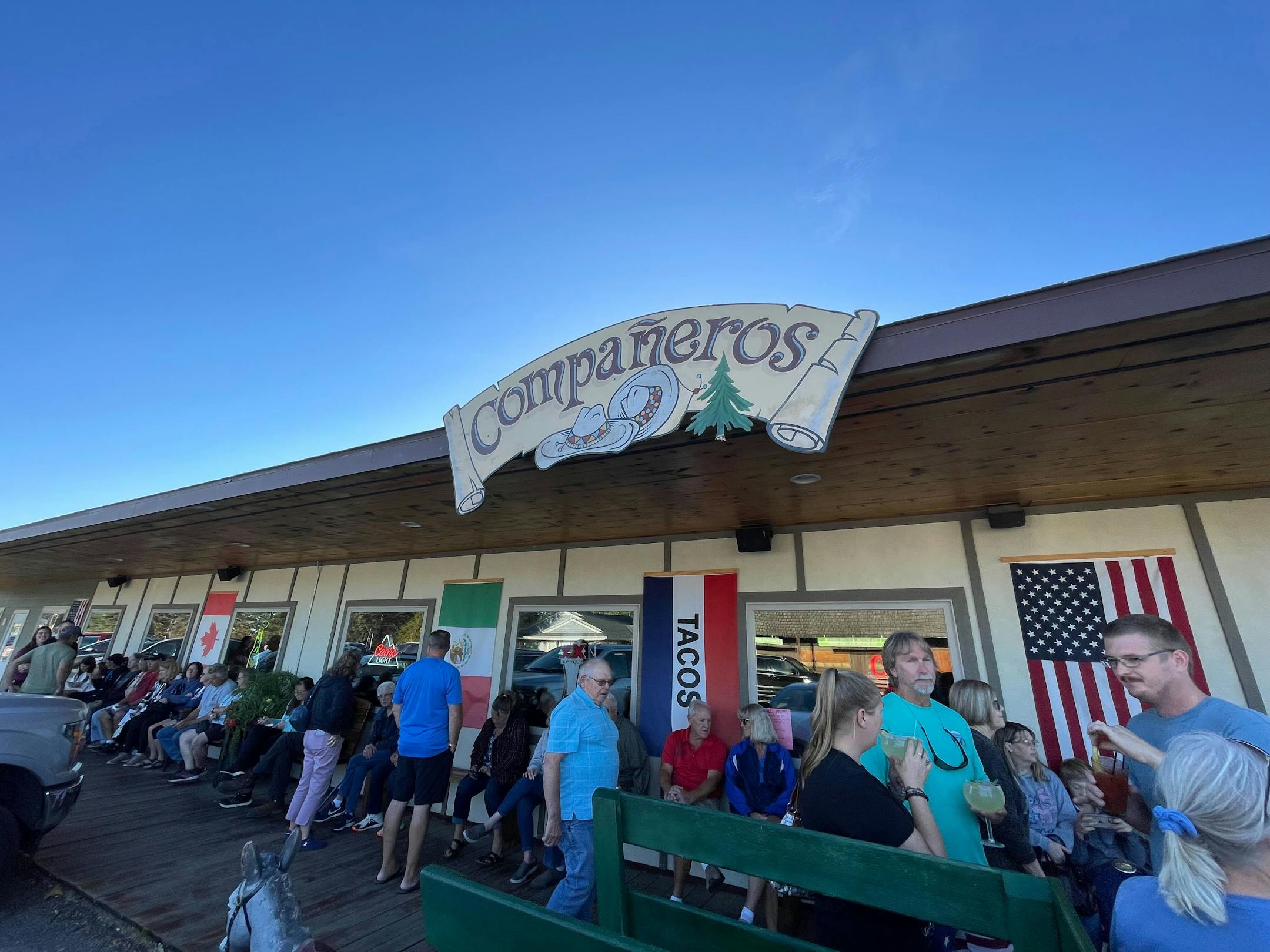
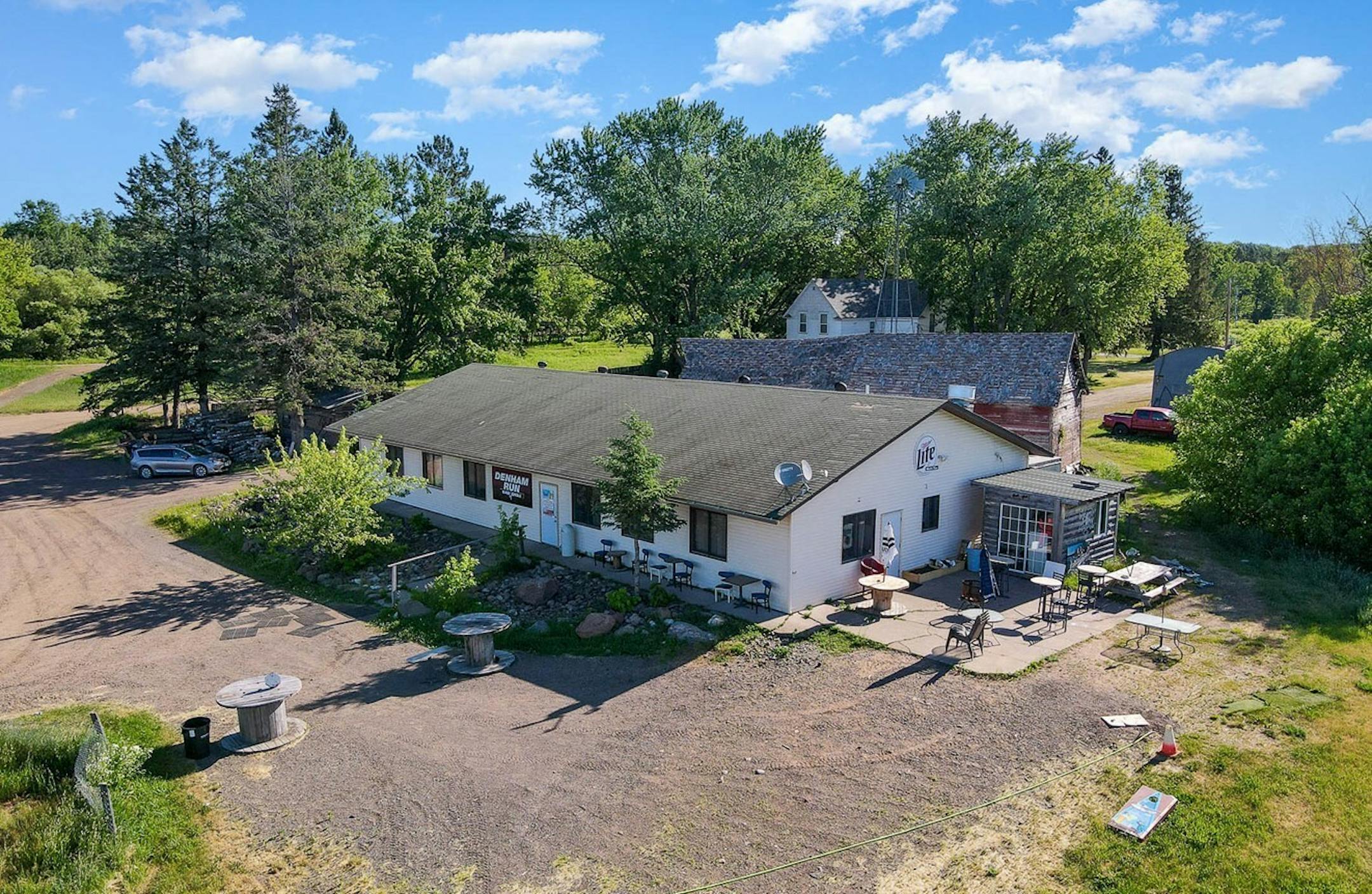
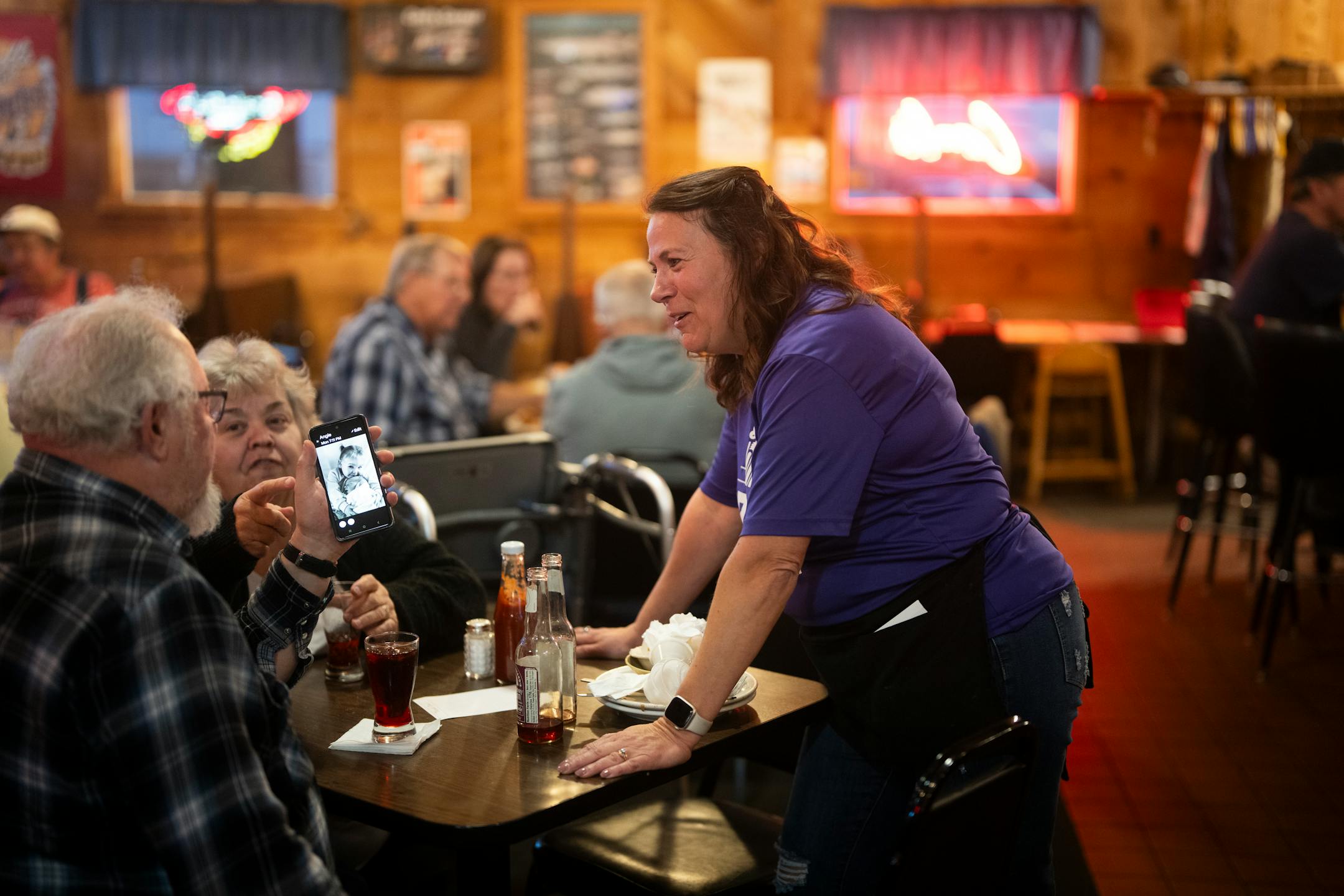
The restaurant is one of those rural Minnesotan eateries with a peculiar distinction: They draw in far more customers than their tiny towns have residents. These cafes and bar-and-grills aren’t just businesses, but the beating hearts of their communities, in some cases keeping their towns on the map.
Having a regionally known restaurant can drive community pride.
“That’s almost more important than the economic aspect,” said Marnie Werner, vice president for research at the Center for Rural Policy and Development. “It shows that someone still believes in the town.”
Tailgate while you wait
Some 70 miles southwest of Essig, in Bergen, the phenomenon of a big restaurant in a tiny town is even more pronounced. The Bergen Bar & Grill is in the town of about 11 people just outside Windom, but it often serves more than 200 diners on a weekend night.