

I recently moved to a home with acreage, but quickly realized that even large lots have small or quirky outdoor spaces that must be designed carefully and thoughtfully.
Fortunately, with attention to appropriate plant and variety choices, just about anything that can be done to dress up a larger space can be done on a smaller scale with equal success.
Even the smallest spaces can be made to appear larger with a few design tricks that fool the eye into thinking the space is bigger than it actually is.
Some ideas:
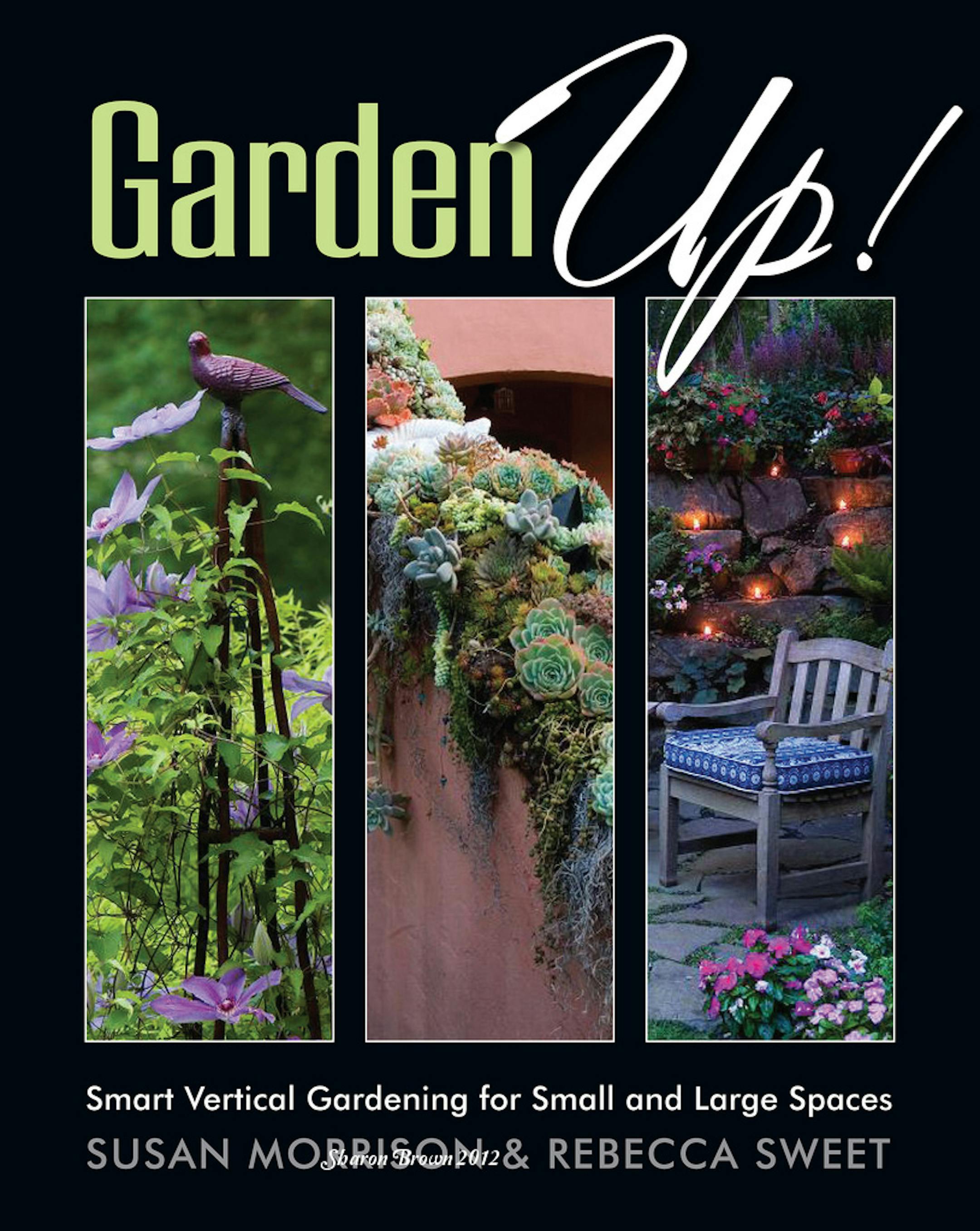
• Garden in layers. Layers give the illusion of more space than you really have. "Garden Up," a book by California landscape designers Rebecca Sweet and Susan Morrison, recommends that we think in terms of three layers: top, middle and bottom. For the tallest layer, choose vines that naturally grow flat against a wall, vase-shaped plants or trees you can train or shape to allow plenty of room for planting beneath them.
In the middle layer, select plants that are 3-4 feet tall, with a vertical, light, open habit, such as perennials with tall flower stalks or finely textured ornamental grasses. The reason is how our eyes perceive depth. If we can see several things at once where we might otherwise only see one, it tricks the eye into thinking the space is bigger than it is, and gives the area a more overall lush feel.
The bottom layer should fill in the gaps and can offer multiseason interest. Select small-scale grasses, ground-hugging shrubs and compact perennials to visually anchor the bottom.
• Introduce color with non-plant selections. Depending on flower color to provide accent and impact in your design can be risky in a small space. Since every inch must count, a potentially underperforming flower display can diminish the impact, and even the most accomplished plant experts struggle here. Instead, bring in color through other objects, such as brightly painted furniture, accessories, wall objects or garden art.


