Corporate recruiters rightfully crow about the heavy hitters of the local arts scene: the Guthrie, Walker, Minneapolis Institute of Arts, Minnesota Orchestra, Ordway Center and the Children's Theatre Company.
Even after four years of confidence-rattling economic malaise, the Twin Cities' reputation as a cultural mecca that punches well above its weight class remains intact.
But a game-changing dynamic emerged in the past half-decade that could challenge our future bragging rights as an Athens on the prairie.
The big arts institutions are confronting the quadruple whammy of challenged endowments, flat revenues, increased fixed costs and donor fatigue leading to reduced philanthropy. Treading water creatively is taking a lot more effort. Here, as elsewhere in the country, high fixed costs, shifts in donor priorities and changed buying patterns among patrons have conspired to make life at the top difficult.
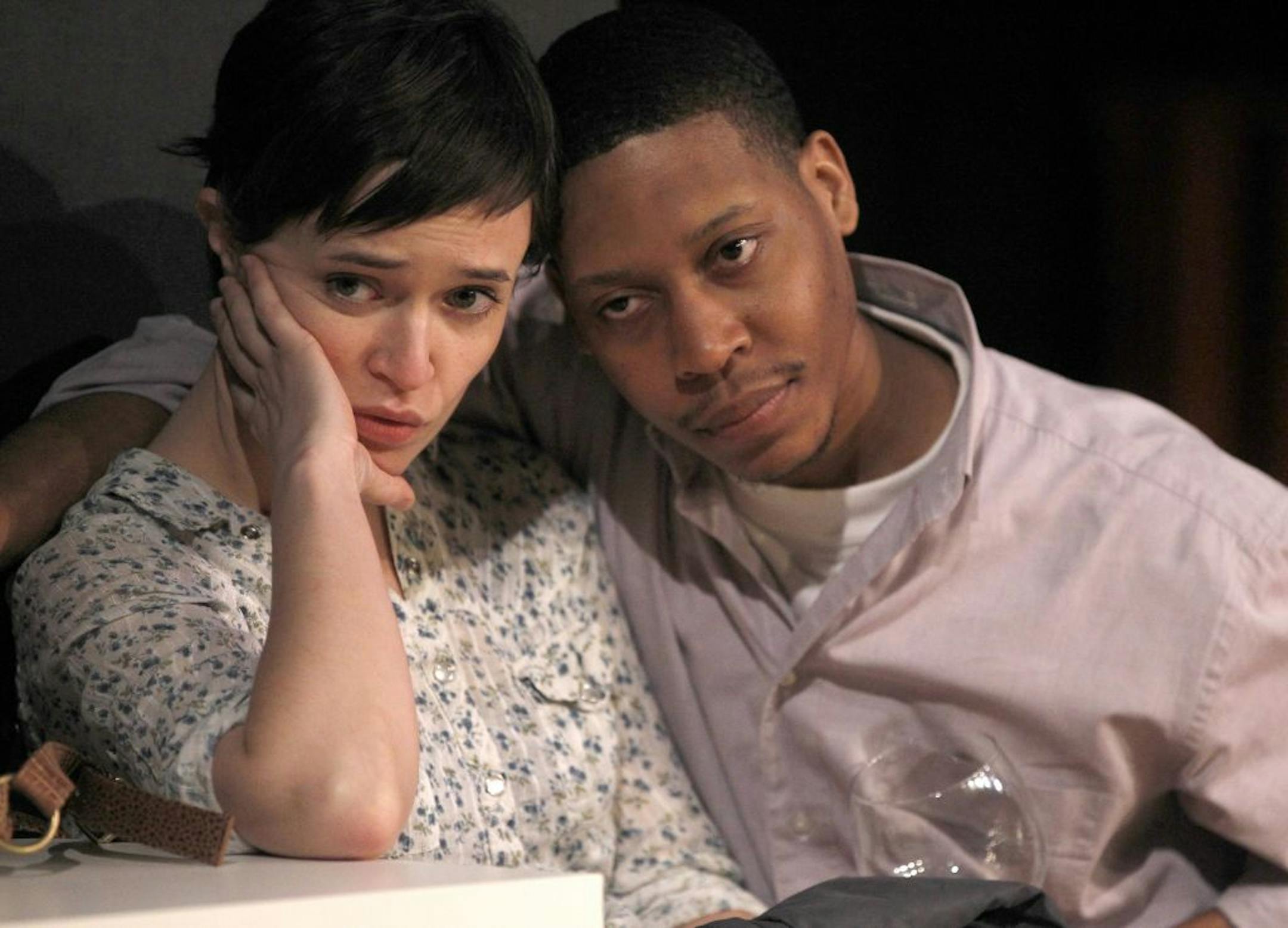
As if that weren't enough, a flock of smaller, more nimble rivals is nipping at their heels. In the next few years, it may be these groups and not the big-budget pillars of culture that initiate the most interesting, vital developments in the arts.
"The arts tend to be driven by entrepreneurial attitudes," said Kate Barr, executive director of the Nonprofits Assistance Fund. "It's harder to do that in an institution. Small organizations that are led by artists say, 'I'm going to do this work, and figure out how to pay for it later.'"
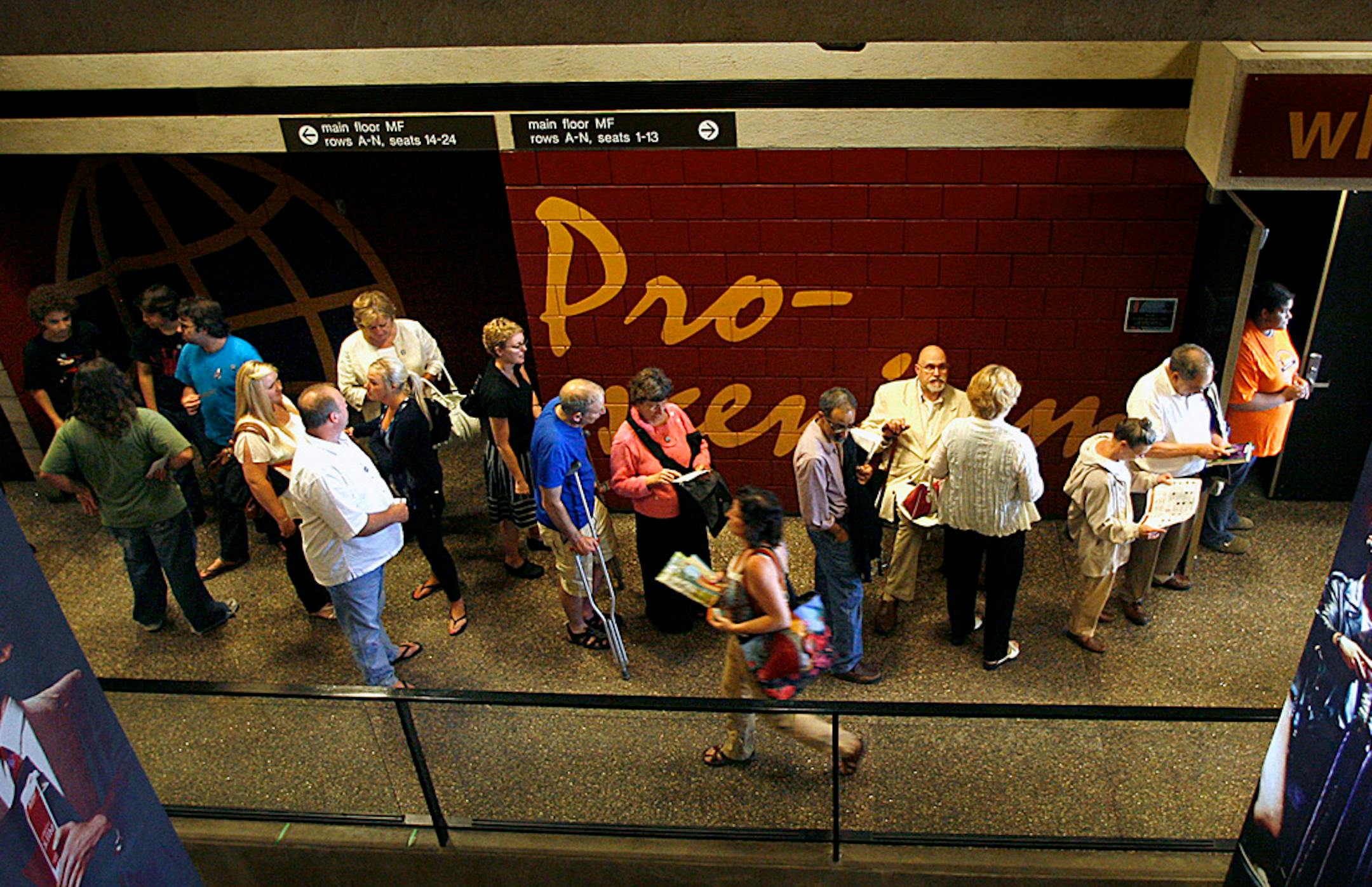
The greatest success story in the Twin Cities theater world during the past decade -- after the Guthrie's gleaming midnight-blue palace on the Mississippi -- is the Minnesota Fringe Festival. The ragtag 10-day gala of unjuried performing arts has seen attendance rise 400 percent in 10 years, and has become the largest nonjuried Fringe in the United States.
Signs of this shift are visible well beyond the Fringe: