

Minnesota has warmed roughly 3.2 degrees Fahrenheit since the beginning of the Industrial Revolution. That’s double the global average and places Minnesota among the fastest-warming states in the country.
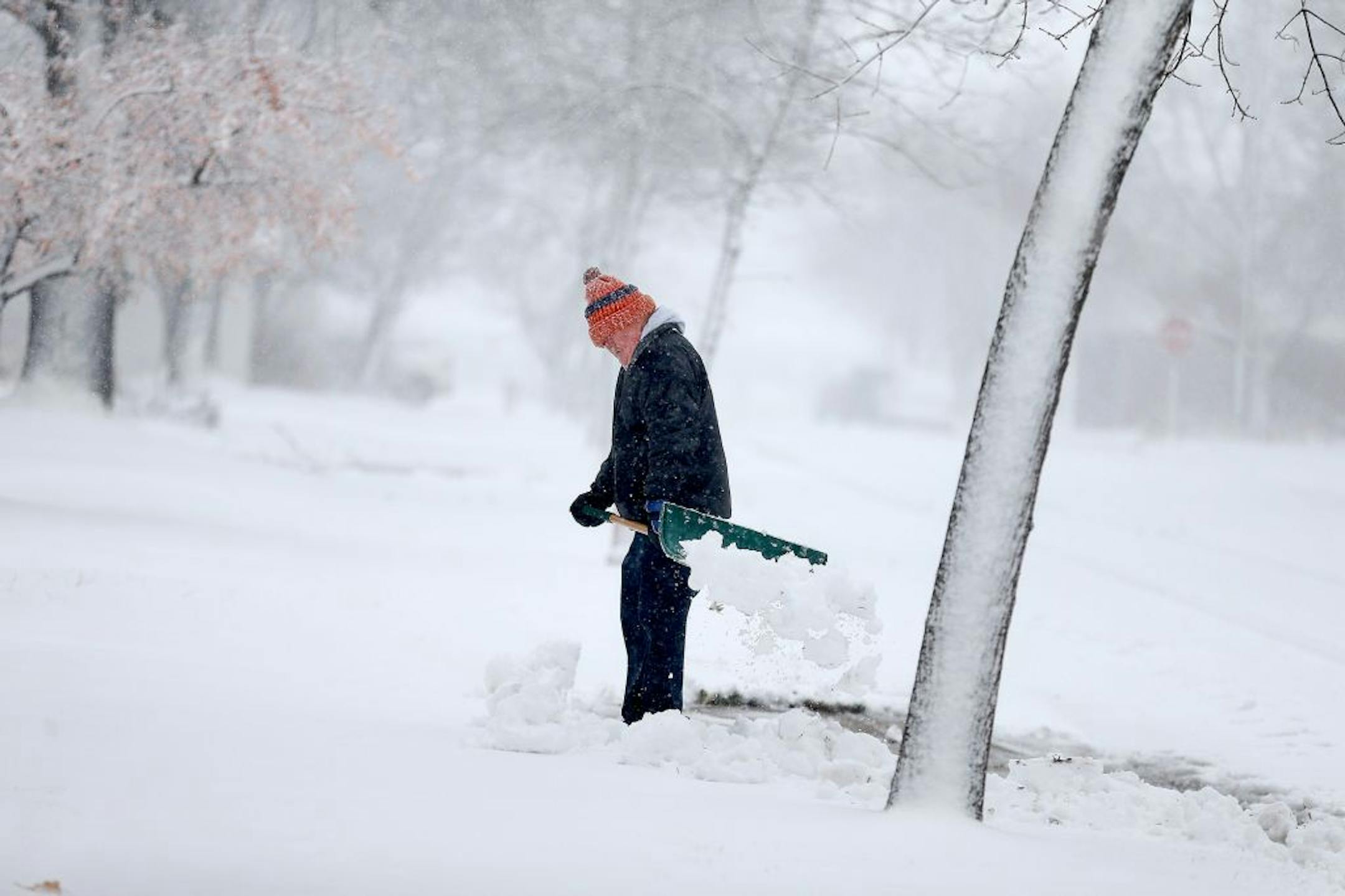
While Minnesota isn’t subject to the raging wildfires in the West or the hurricanes of the Gulf Coast, our seasons are changing. Snow is becoming wetter and heavier and melts more frequently in winter.
In late spring and throughout the summer, Minnesotans are also being exposed more frequently to unhealthy air thanks to wildfire smoke traveling south from Canada. Major rainstorms are becoming more common, and autumn colors are appearing on trees later in the year.
With representatives from around the world gathering in Brazil this week for the United Nations’ annual climate summit, here are six ways Minnesotans are experiencing those changes.
Winters bring heavier snowfall, heavier snow and more melting
Precipitation in Minnesota is increasing on average, state data shows. In the winter, that has translated to more days with heavy snowfall.
The snow itself is also getting heavier. That’s because it contains more water on average than in the past. Snow water equivalent (SWE) is a measure of how much water is contained in one inch of snow, and Minnesota’s SWE has been trending upward. That has led to heavier snow to shovel and more stress on trees and powerlines, said Kenneth Blumenfeld, a climatologist for the state Department of Natural Resources.
While the amount of snow is growing on average, it is also melting more often. To the chagrin of winter sports enthusiasts and ice fishers, Minnesota winters are seeing more days with above-freezing temperatures, when it rains instead of snows. Since 1970, winters in Duluth and International Falls have gained an average of two to three days with warm and rainy conditions.
Summer downpours and wildfire smoke becoming more common
Minnesota’s biggest rainstorms are on the rise. The state DNR labels a storm a “megarain” when at least six inches of rain falls across more than 1,000 square miles in a 24-hour period. These storms often cause serious property damage and have resulted in deaths.


![Frosted Birch trees reach for the sky on a bitter cold morning in December. ] Minnesota -State of Wonders, Arrowhead in Winter BRIAN PETERSON • brian.peterson@startribune.com
Grand Marais, MN 2/14/2014](https://arc.stimg.co/startribunemedia/6ZXHG4LKYMULX4MFGGBDRWW2GE.jpg?&w=252&ar=3:2&fit=crop)