The little nutrition box that's usually tucked on the back of packaged food products is a cornucopia of information.
Fat, sugar, cholesterol. It's all there on the Nutrition Facts Panel for those who take the time to read. It's also widely agreed that the dense thicket of numbers is about as appetizing as a bowl of day-old oatmeal.
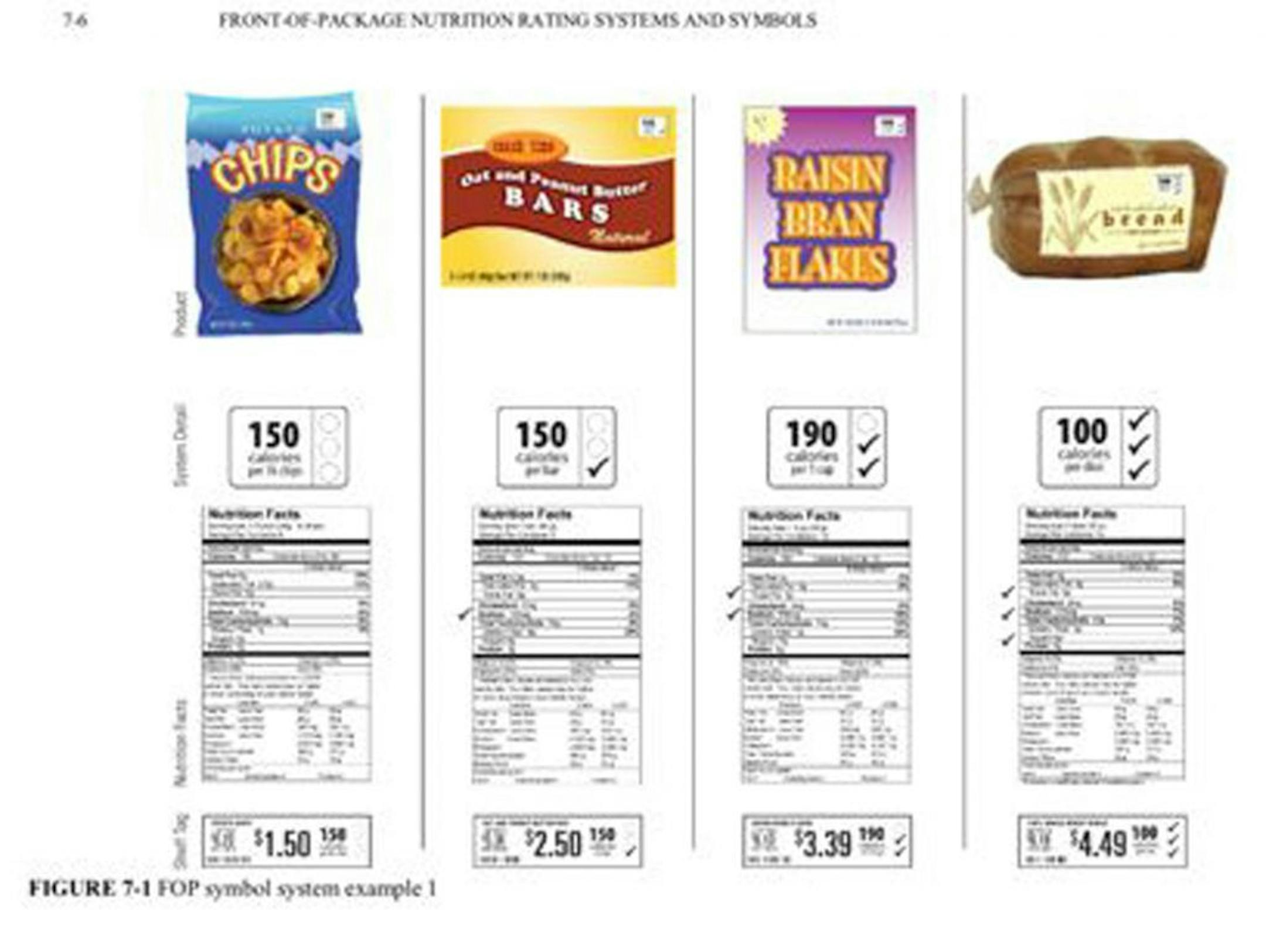
So amid a growing battle against diseases like obesity and hypertension, food makers and industry watchdogs have taken up a common goal: Giving consumers a simpler way to decipher nutrition.
"We have to make it easier for Americans to eat healthier," said Mary Story, a University of Minnesota public health professor. "It's too bad we have to tell Americans which foods are healthy, but that's the food system we have."
The search for simpler nutrition labeling -- playing out on grocery shelves now -- could affect just about every product, from pasta to pickles to pepperoni. It comes at a time when pressure is building on major food makers, including Minnesota's General Mills and Hormel Foods, to provide healthier offerings.
The challenge is how to take complex nutrition information and distill it to a simple, easy-to-see label. How much information is the right amount? Are simple scores better, and if so, who sets the rules?
There's no agreement on the answers, despite years of effort and a multitude of approaches.
The food industry backs a just-the-facts approach and is rolling its latest solution into the marketplace now: package-front labels that give shoppers a quick read on key data. The "Facts Up Front" initiative is soon to be accompanied by a $50 million promotional blitz.