

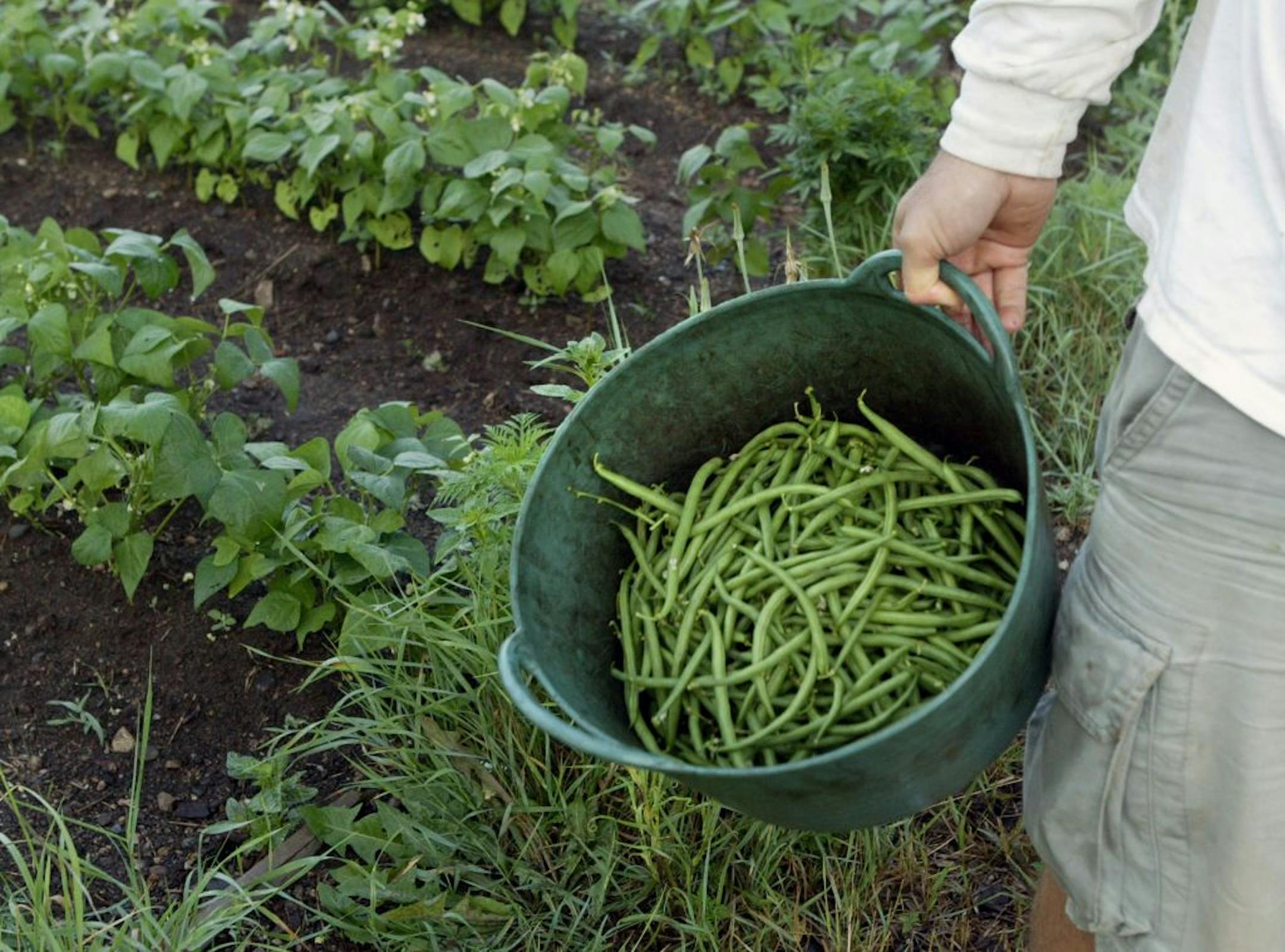
The bright colors of a garden, the strong smells and even the feel of dirt provide lasting memories for many gardeners, even those who only dabble on the weekends.
They take on new meaning for the memory-impaired, who may not be able to relish their hobbies as they once did. But an aging expert has some advice to help them still enjoy their time in the garden.
"People have a strong tie to gardening. It's a loss when you can't do it physically or mentally," said Rose Deskavich, an occupational therapist who has been developing methods for assisting people with various age-related ailments to be able to enjoy their gardening hobby or passion.
Even the sounds in the garden -- wind chimes and water fountains -- can help them recall their gardening days and be soothing, she said.
Beyond the senses, gardening can also bring a sense of achievement. "They can look back at that tomato or carrot they grew and cared for and have a sense of accomplishment," she said.
She has come up with suggestions depending on how progressed the person's disease is.
In the early stages of memory impairment: "The easiest and most adaptable way to work with someone who has memory limitations is to create lists and charts," said Deskavich, who works in Greenfield, Mass. A calendar can be created to designate days when watering, weeding or harvesting should be done. "Make lots of lists. The key is referring to the lists," she said.
As the impairment increases: It becomes essential to have a partner to assist with gardening. "You need to have someone to guide them, letting them know what needs to happen next," she said. The gardening partner goes over what needs to be done and stays with the person during the project.


