Shrink your lawn, Plymouth author preaches

March 18, 2009 at 12:05PM
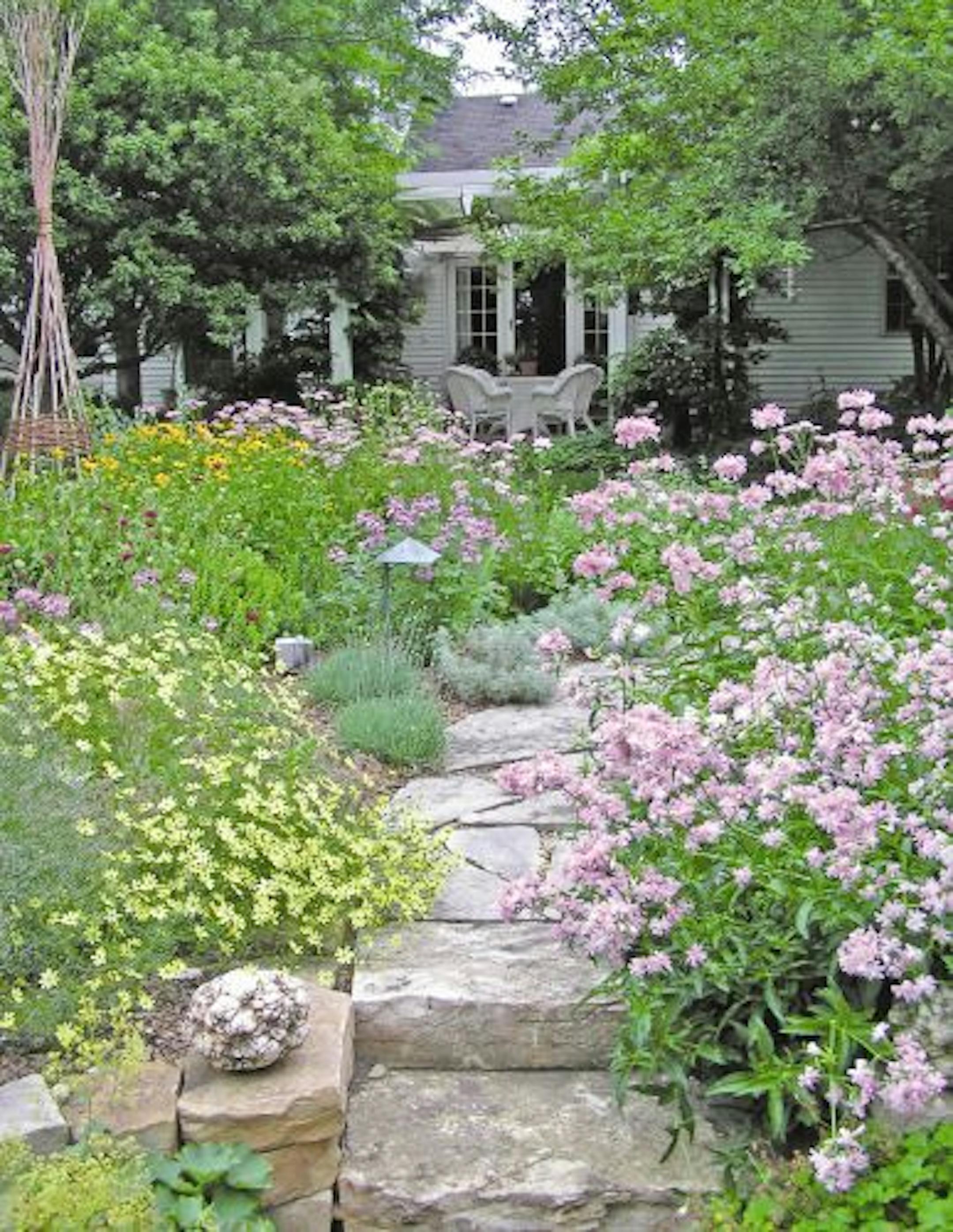
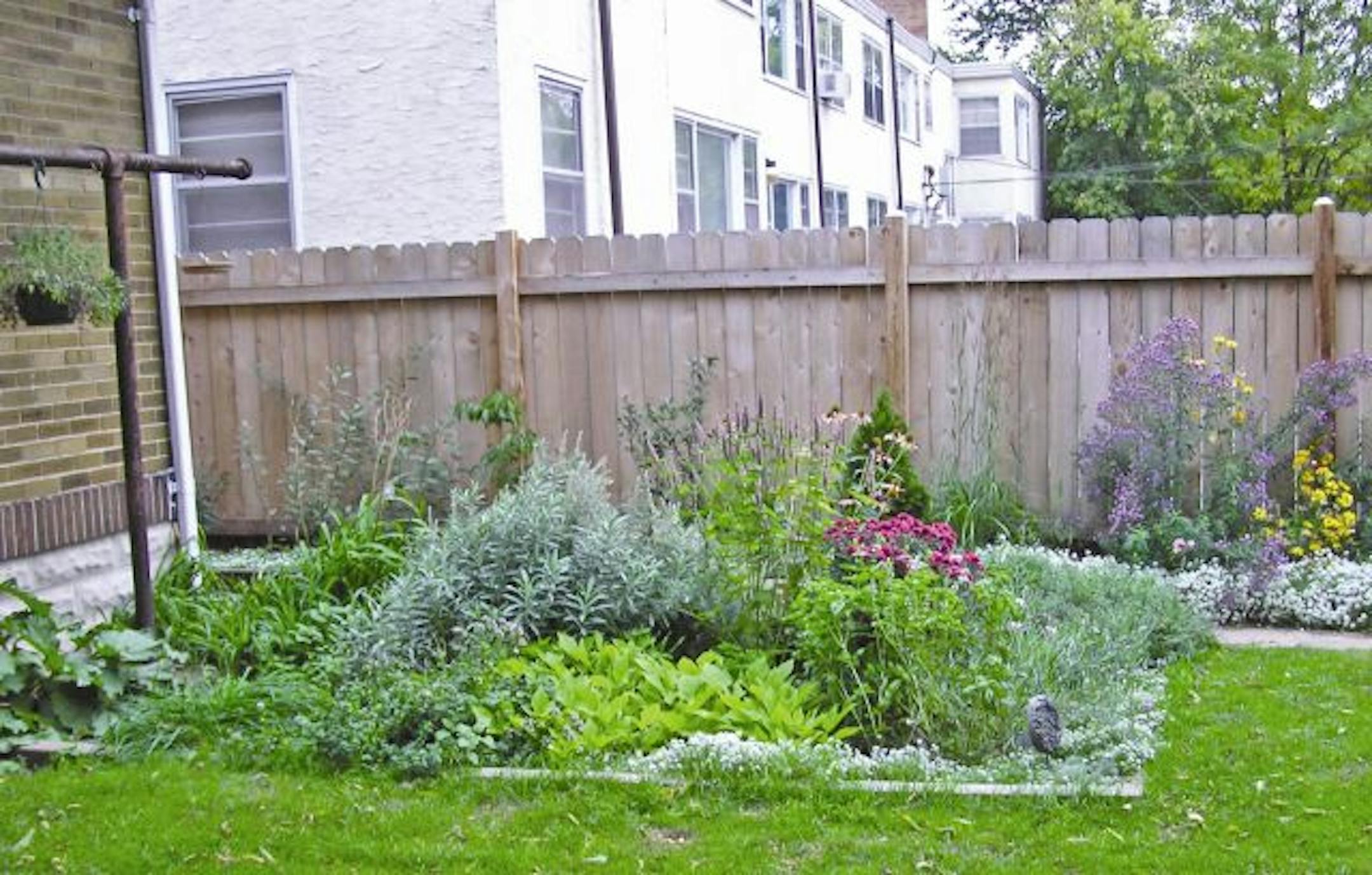
A smaller urban yard with useful plantings. This one was designed by Kristin Matthews Long.
A smaller urban yard with useful plantings. This one was designed by Kristin Matthews Long (who’s just a regular gal, not a designer) (Evelyn Hadden/The Minnesota Star Tribune)

Turf grass might be popular, but it's highly overrated. That's the mission statement of Plymouth resident Evelyn J. Hadden, who writes, speaks and operates a website to promote and nurture less-lawn landscapes. Hadden, author of "Apprentice to a Garden," has just published a new book, "Shrink Your Lawn: Design Ideas for Any Landscape" (Less Lawn Press, $28.99).

Q First things first: Tell us why we should shrink our lawn.

A The No. 1 reason is the work involved in maintaining a lawn -- not just the hours but the kind of work: I call it "destructive maintenance." You're going against what the grass wants to do. It's a constant battle ... the noise of the power mower... it's the opposite of nurturing plants and helping them grow.

The No. 2 reason is if you enjoy wildlife, like butterflies and birds. They're not attracted to lawns. A less-lawn landscape can bring those creatures in. For many of us these days, our yards are our main connection to the outdoors. If it's just a lawn, there's not much living out there. Our lives are emptier without that connection to nature.

Q In your book, you refer to lawns as "the little black dress of landscaping." Explain.

A A lawn is socially acceptable, it fits most occasions, and it won't make any waves. It's kind of a default. It fits a lot of styles, and can be used for a lot of different areas. It's a basic outdoor carpet.

Q Many people think they owe it to their neighbors to maintain a swath of perfect turf. Do you think less-lawn landscapes are getting more socially acceptable?

A Things are changing, and will continue to as water scarcity increases, and petroleum costs rise. It depends on the area. I used to live in St. Paul, and in those neighborhoods, things have changed a lot. You can see the difference. There are more boulevard plantings now. In the suburbs, some places have laws about the height of plantings, but in a lot of places, [lawns] are only a custom. The more people try different things, the more acceptable it becomes.
Q You suggest converting little-used lawn spaces to gardens. Give us a couple of examples.

A Look at the places where you only go to to mow, like the piece of land along the alley, or between the building and the sidewalk, or the boulevard that's down the hill from the rest of the yard. The places you have to drag the mower to, that are hard to get to or cut off from the rest of the yard. Those are easy places to start. You aren't getting any use of your lawn there anyway.

Q You encourage use of turf substitutes. What are a few of your favorites?

A People usually think about other plants, but they should also think about patios. Rocks or pavers are more useful than lawn for creating a sitting area outdoors, and it saves a lot of work. Another exciting alternative is a pond. It still gives you a low, open area, for visual purposes. And it adds aliveness ... reflections, the sun sparkling on the water ... dragonflies. Depending on what you want your landscape to do, a pond can be wonderful.

Q Between the dismal economy and the local food movement, there's a lot of interest in vegetable gardening this year. Any tips on how to create a functional, food-producing garden that's also an attractive part of the landscape?

A Vegetable gardens can be beautiful! Food gardens in general can be beautiful -- don't forget herbs -- they're expensive in the store, and you can save even more money. What makes a vegetable garden attractive is having vertical elements, like those cute little bamboo towers for peas, or a fence where squash can be trained up. Raised beds are visually very appealing. And you can use rock and wood to add sculptural elements that stand out, regardless of what the plants are doing. Adding flowers also helps. They bring in insects to pollinate the crops.

Q What are some especially attractive edible plants?

A I like scarlet runner beans. They're fun for kids, and they attract hummingbirds. I love garden sage. It has furry gray-green leaves that last late into the fall; you can clip them and use them for your Thanksgiving stuffing. And horseradish I just adore. It's a really good perennial alternative to canna lilies. It has big tropical-looking foliage, and magnificent white flowers. I saw a hedge of it, and it was just stunning.

Q What lawn-shrinkage ideas work especially well in Minnesota?

A Our extremes of weather make a four-season landscape even more important. When we're stuck indoors and look outside, what do we see? Dormant grass with snow on top of it? There are all kinds of possibilities with trees and shrubs that add visual interest all four seasons, and also block winter wind and create sheltered areas. Those things make a big difference here.

"Shrink Your Lawn" is available at www.lesslawn.com and at Terrace Horticultural Books in St. Paul, 503 St. Clair Av., www.terracehorticultural books.com.

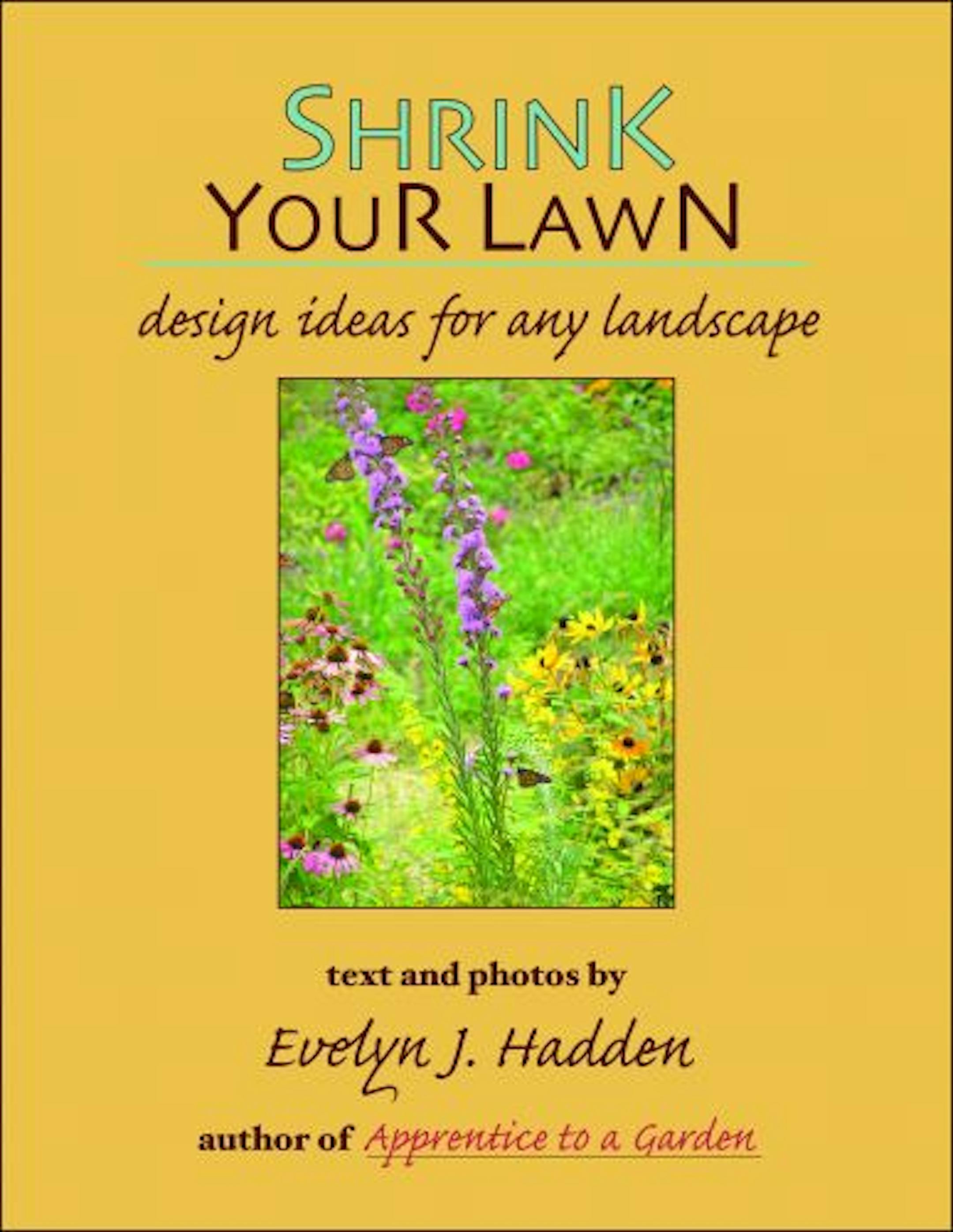
"Shrink Your Lawn: Design Ideas for Any Landscape" by Evelyn J. Hadden
"Shrink Your Lawn: Design Ideas for Any Landscape" by Evelyn J. Hadden (Star Tribune/The Minnesota Star Tribune)
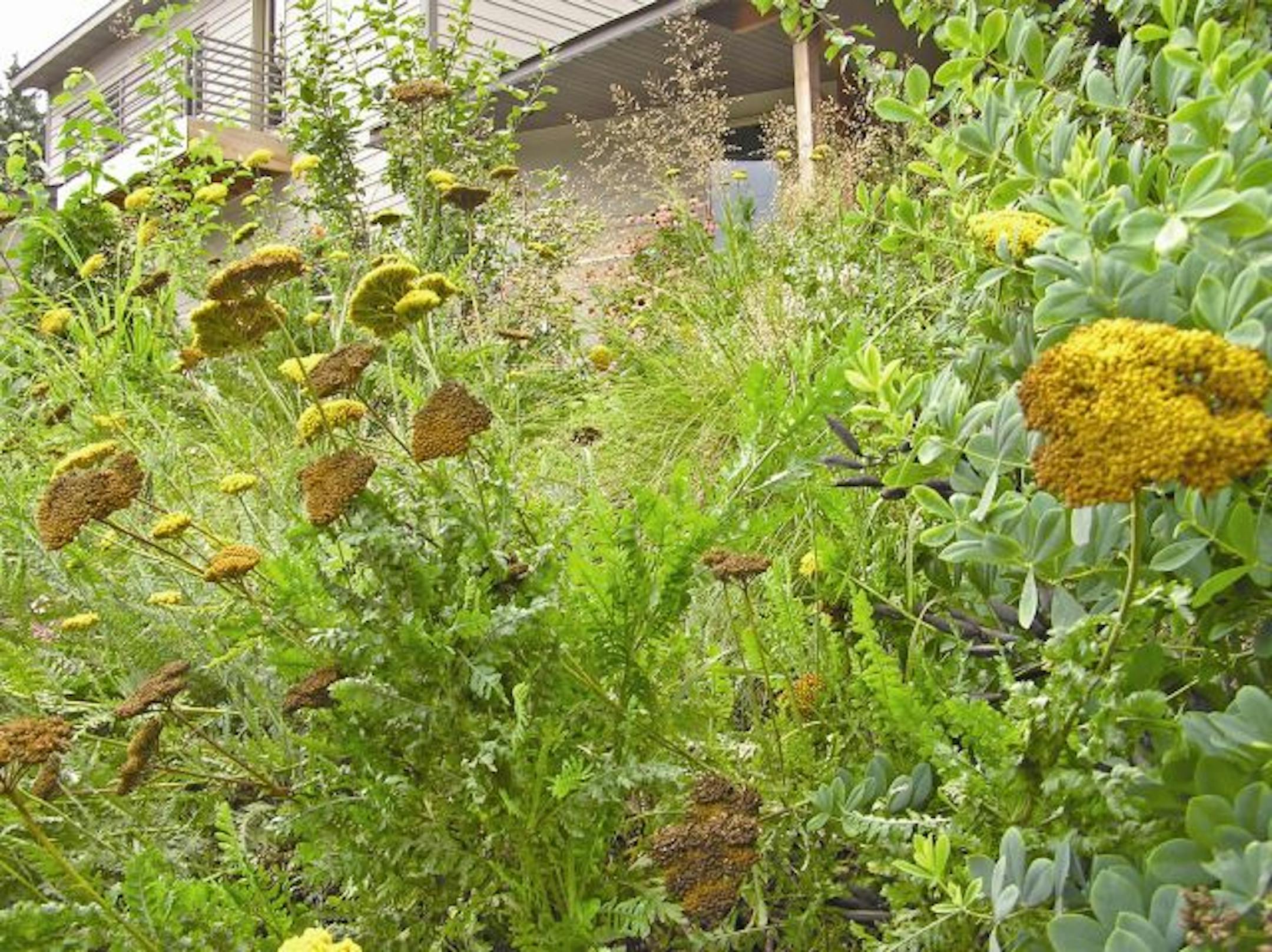
Garden was designed by Paula Westmoreland of Ecological Gardens
Garden was designed by Paula Westmoreland of Ecological Gardens (Evelyn Hadden/The Minnesota Star Tribune)
Local landscape architect & ecologist Diane Hilscher designed the garden
Local landscape architect & ecologist Diane Hilscher designed the garden (Evelyn Hadden/The Minnesota Star Tribune)
about the writer

about the writer

Kim Palmer

Reporter, Editor

Kim Palmer is editor/reporter for the Homes section of the Star Tribune. Previous coverage areas include city government, real estate and arts and entertainment 

See Moreicon

More from Minnesota Star Tribune

See More
In this photo taken Monday, March 6, 2017, in San Francisco, released confidential files by The University of California of a sexual misconduct case, like this one against UC Santa Cruz Latin Studies professor Hector Perla is shown. Perla was accused of raping a student during a wine-tasting outing in June 2015. Some of the files are so heavily redacted that on many pages no words are visible. Perla is one of 113 UC employees found to have violated the system's sexual misconduct policies in rece
Associated Press/The Minnesota Star Tribune

We respect the desire of some tipsters to remain anonymous, and have put in place ways to contact reporters and editors to ensure the communication will be private and secure.