When I was a boy, my favorite television show was a program called "Amazing Stories." Each week I counted down to Thursday night, and as the days creaked by I would speculate about what untold horror the show would reveal to me. How about a ghost train ferrying its passengers into the past? Or an author whose mistreatment of a fan earned him a stalker only visible in reflective surfaces?
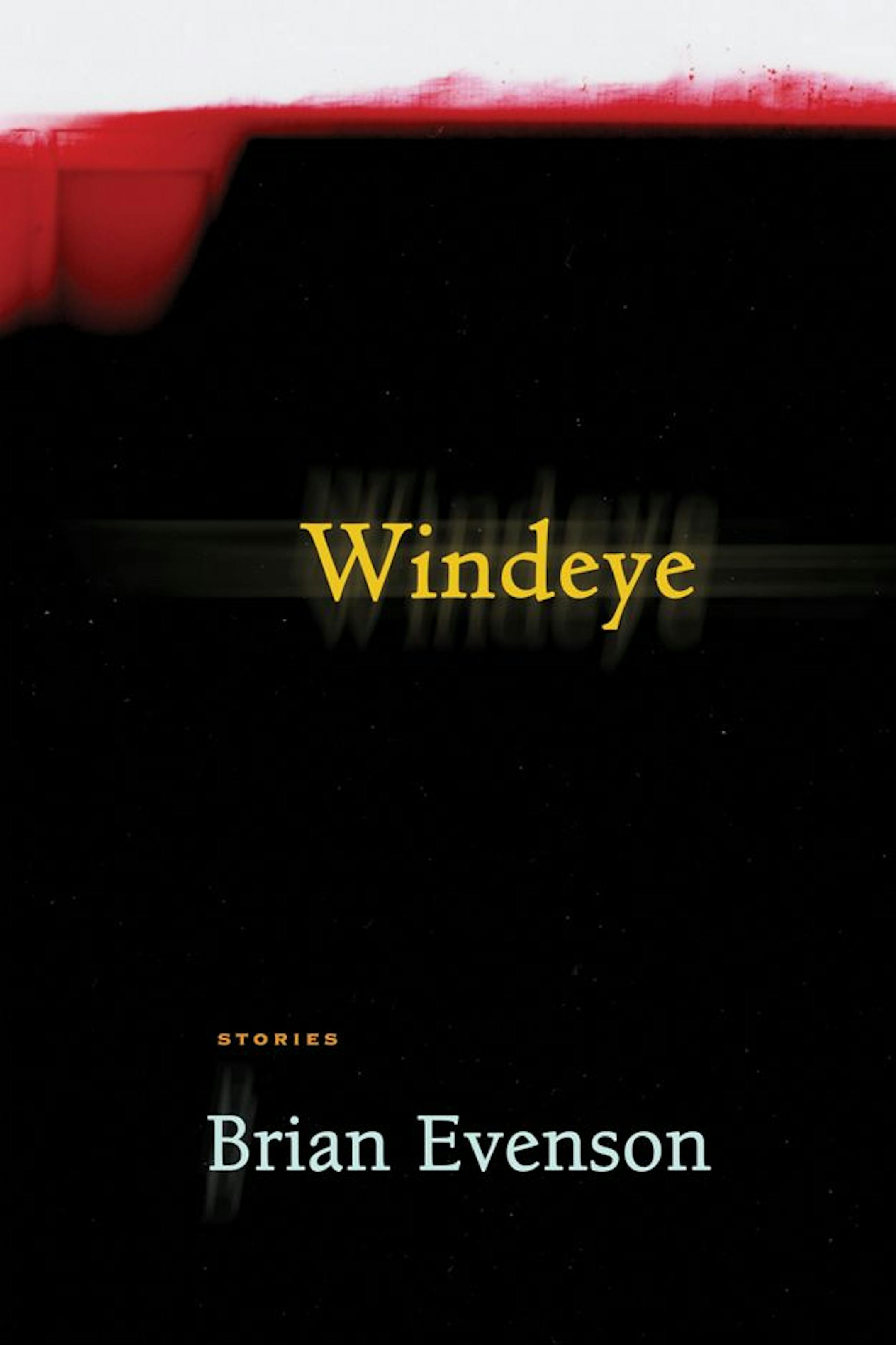
The show was scary, but actually not that scary. What truly frightened was the anticipation of being spooked. The wind-up. If it were on air today, TiVo and DVR would ruin that pleasure. I could have taped "Amazing Stories" and watched a whole season in a day, as we do now with our beloved shows. I thought about this a lot while reading Brian Evenson's new book of stories, "Windeye."
Full of glitches in time, robots from the future and fireside tales to raise chills, this is a book wrapped in the voluptuous creep of dread. None of it is likely, and yet all of it, if you take your time reading the book, will briefly slot open a view to the other side. The world we're sure doesn't exist; until something makes us wonder.
In the fabulous title story, a boy discovers a window on the outside of a house that does not exist from the inside. He tries to show it to his sister, she vanishes; in a rush the boy relays all of this to his mother, who replies, "But you don't have a sister."
Did your hair stand up? Mine certainly did, as it did when I read about the rubber body suit that saves a man from drowning in a sinking submarine only to deposit him in another sinking submarine, one where there are no passengers. So he gets in the suit, again and again.
Of course the glutton in me reads stories like these and immediately flips to the next, and thus becomes the 10-year-old on the carpet in my family's den in 1985, wanting more. Here is where "Windeye" breaks down, though. If you read these stories too quickly, patterns emerge.
They are often set in worlds outside of time. The characters are vague, slightly hollow, so they can become chimneystacks for curiosity, fear or menace. The stories unfold quickly, and then slow to describe their strange worlds. The narrator, when it's told in first person, often says things like, "How long I was lost in that tunnel, I am unable to say."
But does any of this really matter? Yes, a few of these stories about language crash and burn on their heavy pretensions. And several quiver too much with their own excitement. But if you like a good snort of spook, and have managed to maintain the patience of a 12-year-old in an analog world, "Windeye" won't let you down. In fact, it'll probably make it very hard to turn out the lights for weeks to come.