

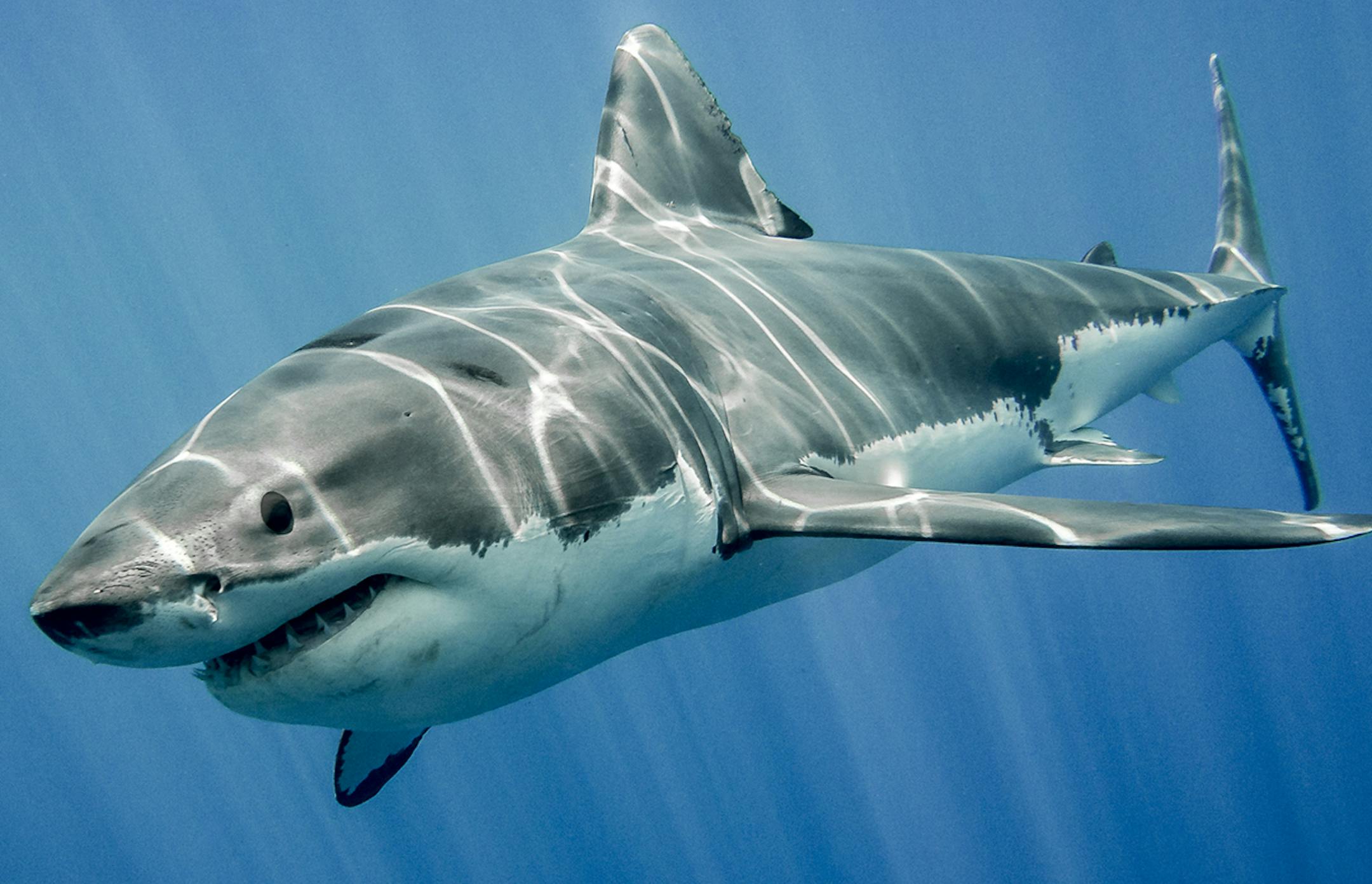
MIAMI – When a major hurricane, extreme heat or other climate threat devastates an ocean's lifeblood, its recovery could be aided by the presence of sharks.
Sharks as oceanic medics?
That's the idea behind a study on sharks and their role in the ocean. The study, led by researchers at Florida International University, was published last week in the Journal of Animal Ecology.
Decimate sharks and you've made oceans less resilient to extreme climate events, said the FIU scientists. Researchers at the University of Washington and Deakin University in Victoria, Australia, also contributed to the study.
The study was conducted from May 2013 to August 2014 and funded through a combination of a National Science Foundation Rapid Response grant, the PADI Foundation, fellowship awards and public donations.
The research found that predators, like some sharks, including tiger sharks in this study, are critical for maintaining stability and biodiversity in the world's oceans. The study found sharks are important in helping ecosystems recover when devastation hits from hurricanes or marine heat waves.
Sharks eat grazing animals that feed on aquatic plants like sea grass — which helps maintain water clarity, stores carbon dioxide and houses fish and other organisms that can keep seas healthy, the researchers say.
To reach its conclusion, the team conducted a 16-month study in Shark Bay, Australia, an area populated by tiger sharks and dugongs, a cousin to the Florida manatee. Dugongs are strictly marine animals, whereas manatees can thrive in freshwater areas.


