

As you look ahead to the next gardening season, here are some good goals to plan for, whether you're a seasoned gardener or just getting started.
Compost more: Compost is nature's multivitamin for soil and all that grows from it. And you don't even have to wait until spring — even in winter you can make compost. It's free, it's easy and it's better than any store-bought soil amendment or fertilizer.
The No. 1 reason most people don't compost is that they don't know how to get started. Here's a tip to help. If it came from the earth, compost it. That includes anything from your yard and garden — with the exception of diseased plants. From inside the house, food scraps are OK so long as you don't include meat, grease or dairy products. Depending on where you live, it can be as simple as a pile in the corner. Yes, there are infinite systems and setups you can buy or make, and contained systems may keep everything looking a little neater, but they don't offer big advantages over an open heap. (Local municipalities may have restrictions on placement, however, so check your city's website for rules. Many cities require that the compost be contained, if not covered. Some have different rules for community gardens than for back-yard composting.)
Use fewer chemicals: Feed the soil and let the soil feed the plants. Synthetic fertilizers are like junk food for your plants. Sure your plants will love them, and they work very well. But there's no long-term value. Plus the runoff can cause residual harm to amphibious creatures and watersheds, while excess buildup of salt-based synthetics can create adverse effects in your soil.
Instead, focus on adding nutrients to the soil in the form of organic matter (like compost, shredded leaves, wood mulch, worm castings, etc.). Not only will it provide important nutrients, but the health and quality of the soil will be greatly improved, too.
Pesticides, although effective at dealing with the immediate problem, have many unintended consequences that harm beneficial insects (including honeybees), wildlife and even humans in certain cases. Lay off the pesticides and be more proactive yourself in manual controls. Bring more beneficial insect-inviting plants and flowers into your garden and let Mother Nature do your pest control instead.
Plant wildlife-attracting plants: One of the biggest keys to a healthy garden and landscape is to create an environment that's attractive to insects and birds that help pollinate your garden and fight pests. A yard full of birds, butterflies and bees is not only incredibly entertaining, it's a great testament to the fact that you've created a safe zone for the creatures that will help keep your garden thriving naturally.
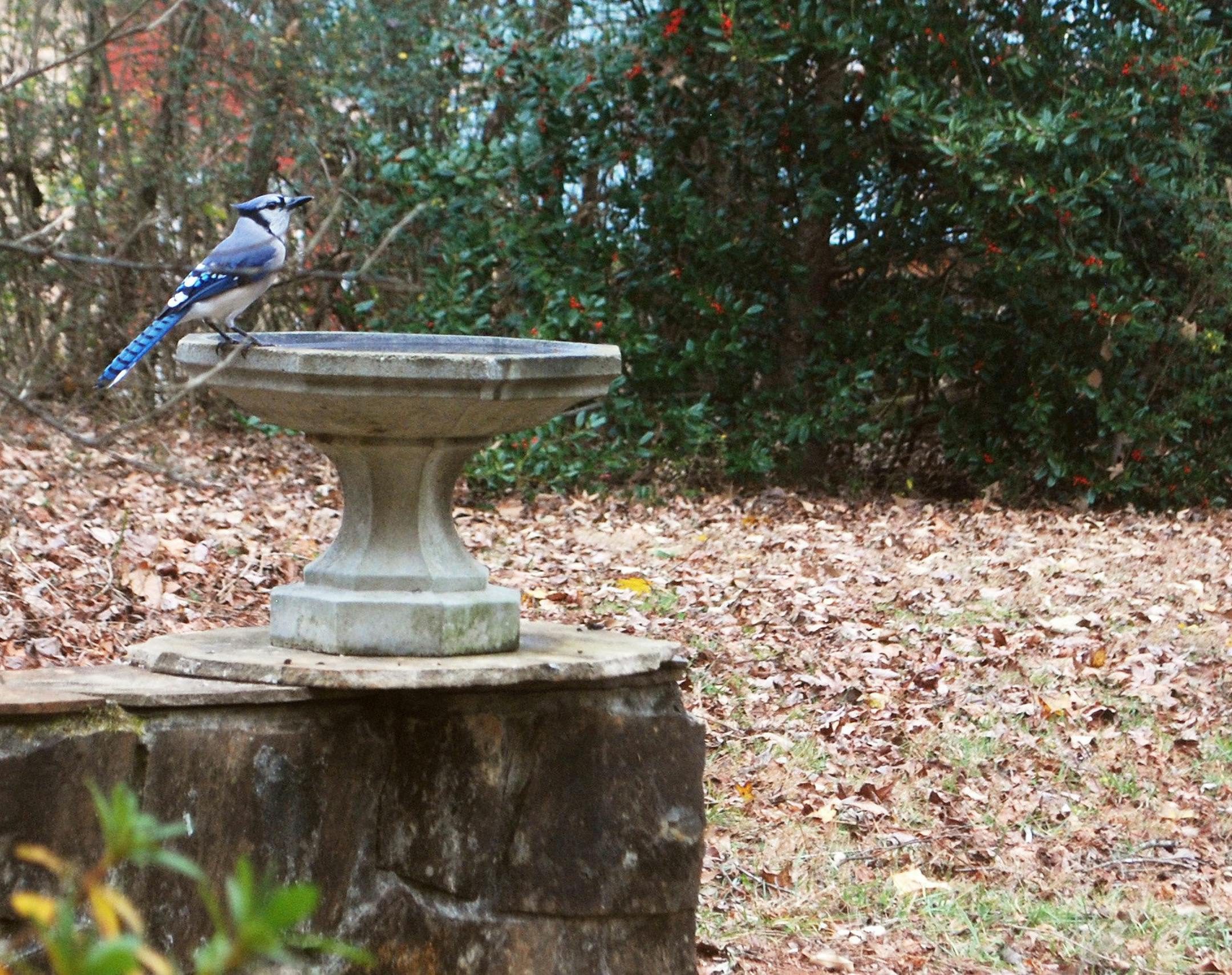
Add a water feature: We often take for granted that the creatures that come visit our garden have access to plenty of water. Although they are incredibly adept at finding sources for drinking and bathing, having such a place (or several) in your yard and garden will draw even more wildlife than ever before. You'll be amazed at just how many creatures, from birds to frogs and even honeybees will quickly find your water source once you make it available. In times of drought, such access to fresh water can make the difference in their survival chances.


