

"Free Adnan" T-shirts are now for sale in support of a Maryland man serving life for killing his former high school girlfriend, reminiscent of the merchandising that once surrounded another convicted killer, Mumia Abu-Jamal.
Here's another commonality: Both men built a following because their cases were illuminated on public radio. Abu-Jamal had his own program on NPR, and "Serial" is a spinoff of "This American Life," which airs on more than 500 public radio stations across the country. Adnan Syed's mouthpiece is Sarah Koenig, who offered her interpretation in 12 podcast installments, which CNN reported in December as having been downloaded 40 million times, making "Serial" the most popular podcast ever.
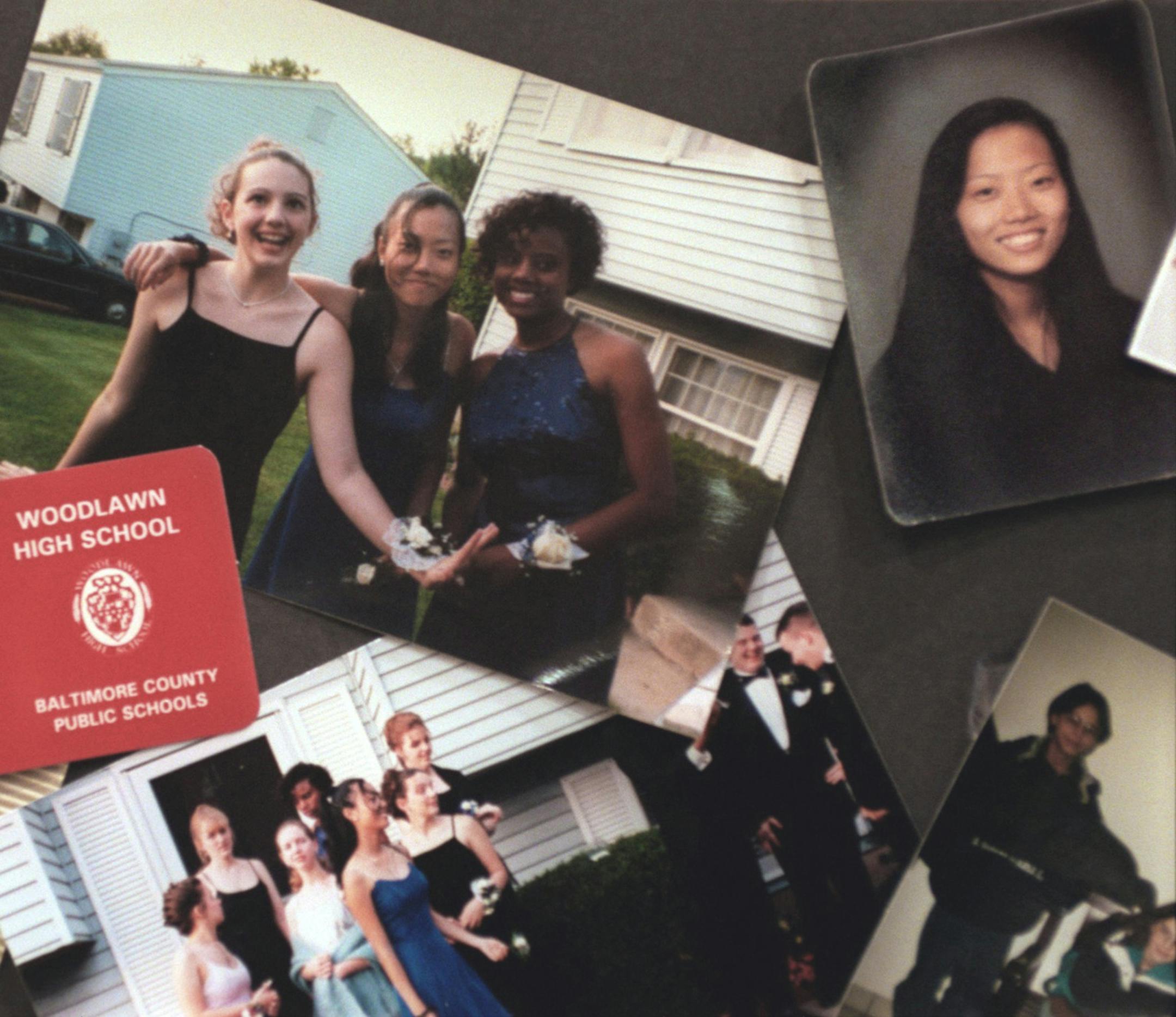
Syed was convicted in 2000 of murdering 17-year-old Hae Min Lee. Spoiler alert — in the final episode of "Serial," Koenig concludes that she "can't swear that he's innocent" but that "most of the time I think he didn't do it."
The combination of a whodunit, Koenig's mellifluous voice, and excellent production values has created a New Age version of an old-time radio play. But with its breezy presentation and cliffhangers, it is not a trial-like presentation of evidence and lacks the cross-examination necessary for a real search for truth, a point that might be lost on whoever is inclined to buy the merchandise.
Koenig might be 45, but she invokes "like" and "anyway" and "weed" enough times to develop an adolescent street cred while convincing a New Millennial audience that she's a modern-day Nancy Drew, simply trying to figure out whether Syed is guilty. Time and again, however, she tips her hand.
From the first episode, it is clear her interest lies in giving voice to the convicted killer, whom she describes as having "giant brown eyes, like a dairy cow," as she wonders, "Could someone who looks like that really strangle his girlfriend?" (At least in this instance she catches herself and offers: "Idiotic. I know.")
But as the series unfolds, her bias becomes increasingly obvious. In Episode 6, during one of her many calls with Syed (she says there were 40 hours of interviews with him behind bars), she tells him, "You're a really nice guy and I like talking to you."
Even he seems taken aback, telling her she hardly knows him. Not until Episode 8 do listeners learn that, despite his loquaciousness behind bars, Syed did not testify on his own behalf. Of course, he has a Fifth Amendment right, but it's information that should have been shared sooner. Only in Episode 10 do we learn that part of Syed's pending appeal is arguing that his lawyer should have negotiated a plea agreement. And why wait until Episode 11 to share that the now-sympathetic-sounding man doing life once stole from his mosque? Perhaps because people would have stopped listening had the information been given sooner.


