

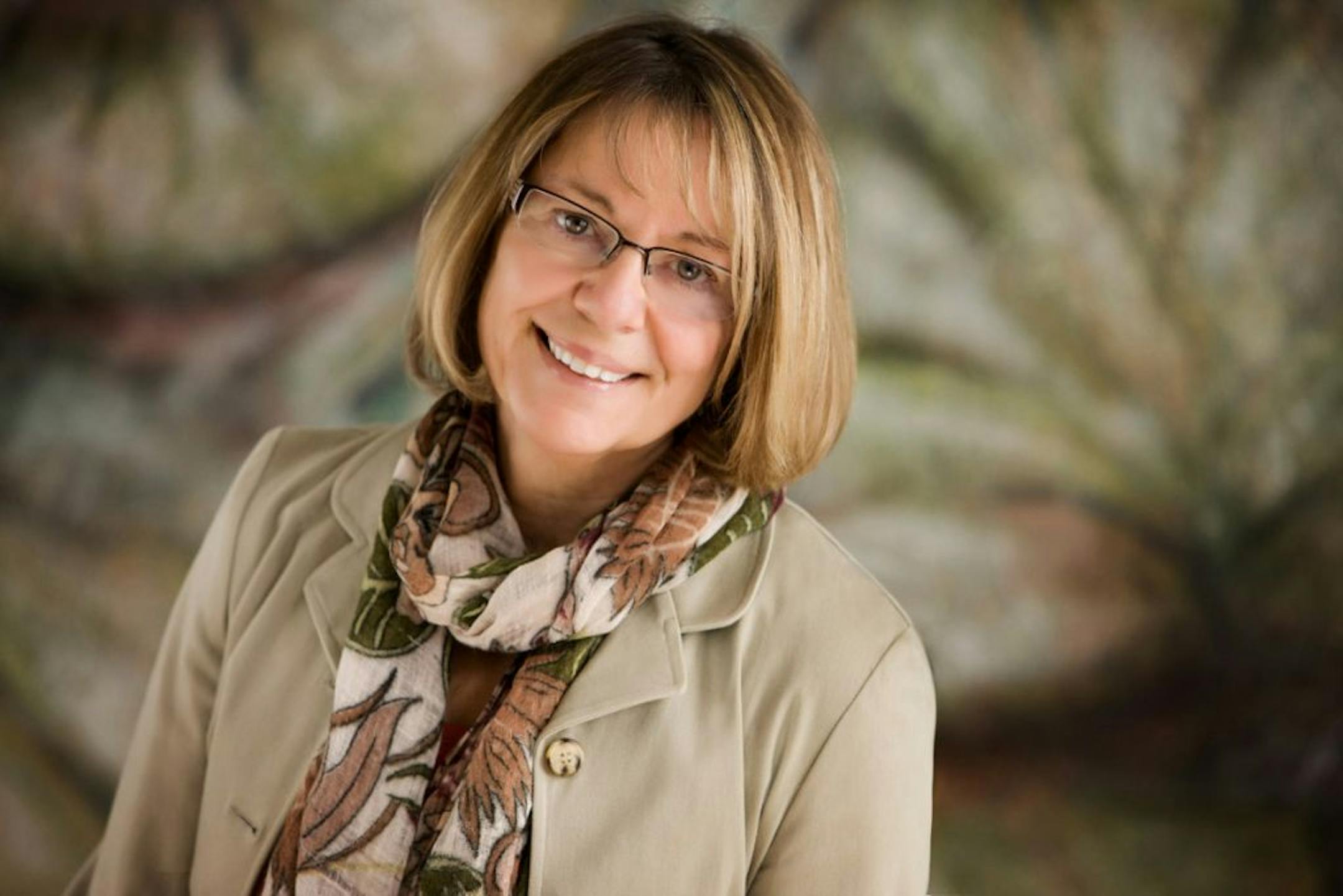
Diane Ott Whealy's Iowa grandparents, who were farmers, swapped plant seeds with neighbors all the time. With a handful of her grandfather's heirloom morning glory seeds, Whealy and her husband, Kent, took seed swapping to an international level.
In 1975, they launched the Seed Savers Exchange in their home. Today, the nonprofit organization has 13,000 members and a headquarters at the 890-acre Heritage Farm in Decorah, Iowa. The exchange maintains, preserves and sells thousands of varieties of heirloom vegetables, fruits, herbs and flowers online (www.seedsavers.org) and at garden centers around the country.
Whealy will be at Bachman's on Oct. 13 to talk about her book "Gathering: Memoir of a Seed Saver" (Wilsted and Taylor Publishing, $25). We chatted with her about the organization's germination, outhouse hollyhocks and beans in the basement.
Q How did you get the idea to save and share seeds?
A My inspiration was my visits to my grandparents' farm in Iowa when I was a girl. That's where I learned about gardening and nature.
Years later, when my husband, Kent, and I had our own garden, we asked Grandpa Ott for some of his morning glory seeds, which I remember gathering as a girl. I found out that his parents had brought over the seeds from Bavaria. After he passed away, we realized that the seeds might have been lost had he not given them to us.
Q Why did you launch Seed Savers Exchange?
A Kent and I wondered if other people had an interest in saving older varieties of seeds. In 1975, we sent letters to magazines like Mother Earth News. Twenty-nine closet seed savers -- it wasn't popular then -- responded. We printed a pamphlet with a list of seeds. They sent us a quarter and an envelope to get one. Then they would request and trade seeds with other members. Before long, they were sending seeds to us. Our freezer became full of baby food jars filled with seeds.


