

Second terms are jinxed, at least in the U.S. presidency. So one might conclude, watching President Obama stumble through the Obamacare rollout of 2013 — then remembering the troubles of Presidents W. Bush, Clinton, Reagan, Nixon and Truman during their second stints in the White House.
The pattern holds, but not as tightly, among Minnesota governors. Tim Pawlenty's too-obvious presidential ambition grated on Minnesotans in his second term. Rudy Perpich wore out his welcome so badly in his second full term that voters turned him out in 1990. Wendell Anderson took himself out during his second gubernatorial term to serve in the U.S. Senate, from which voters ejected him two years later.
What gives with second terms? And if they carry structurally inherent risks, what can be done to minimize the dangers?
Those questions were excellent excuses last week for calling Richard Moe. He's a genial native Duluthian, a former vice presidential chief of staff, a former head the National Trust for Historic Preservation, and an able historian whose new book qualifies him as an authority on the terms of executive officers in American government.
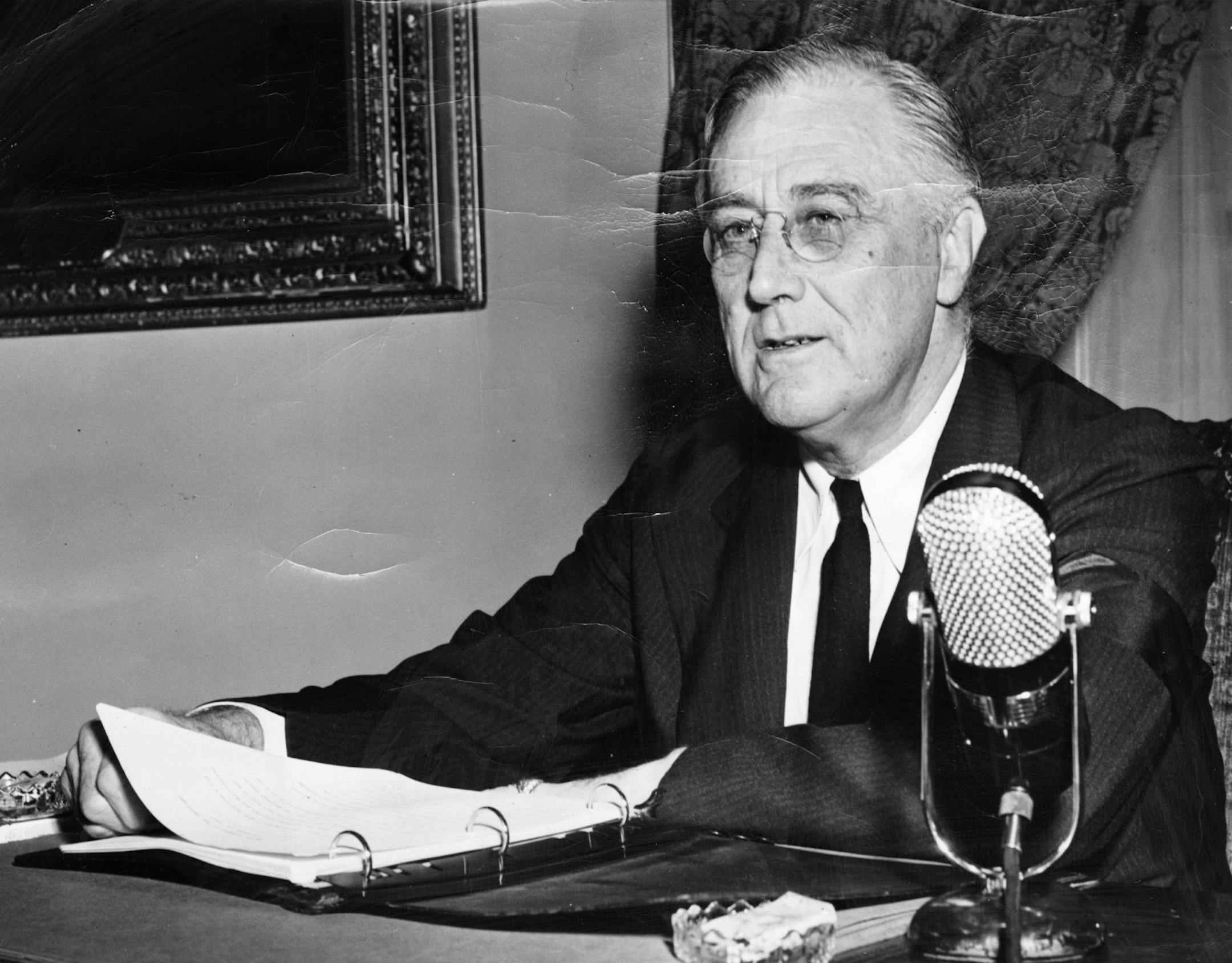
The book is "Roosevelt's Second Act: The Election of 1940 and the Politics of War," and it's a dandy look at the one time in U.S. history when a president sought and won a third term.
Franklin Roosevelt went on to win a fourth term, too, of course. But that story must wait for a sequel. Moe's new tome is confined to the personalities and drama of 1939-40, when Nazi and Japanese appetites to control entire continents sparked the start of World War II.
Roosevelt's belated decision to run again in 1940 is history that won't be repeated — not without constitutional change, anyway. The post-Rooseveltian 22nd Amendment to the U.S. Constitution says it's two-and-done for U.S. presidents.
For a term-limit skeptic like me, the advisability of that amendment has always been in doubt. Wouldn't a second-term president be less likely to run afoul of popular opinion if he/she at least had the legal option to run a third time? Wouldn't that possibility tamp down the temptation to indulge some typical second-term foibles — hubris after a second win, arrogance in the solo exercise of power, excessive zeal in pursuit of a personal agenda?


