WALNUT CREEK, Calif. – Several mornings a week, Mercedes Costa sinks back in a chair, closes her eyes and breathes in the cool salt air. Costa isn't at the beach. She's in a softly lit treatment room at Salt Spa Walnut Creek.
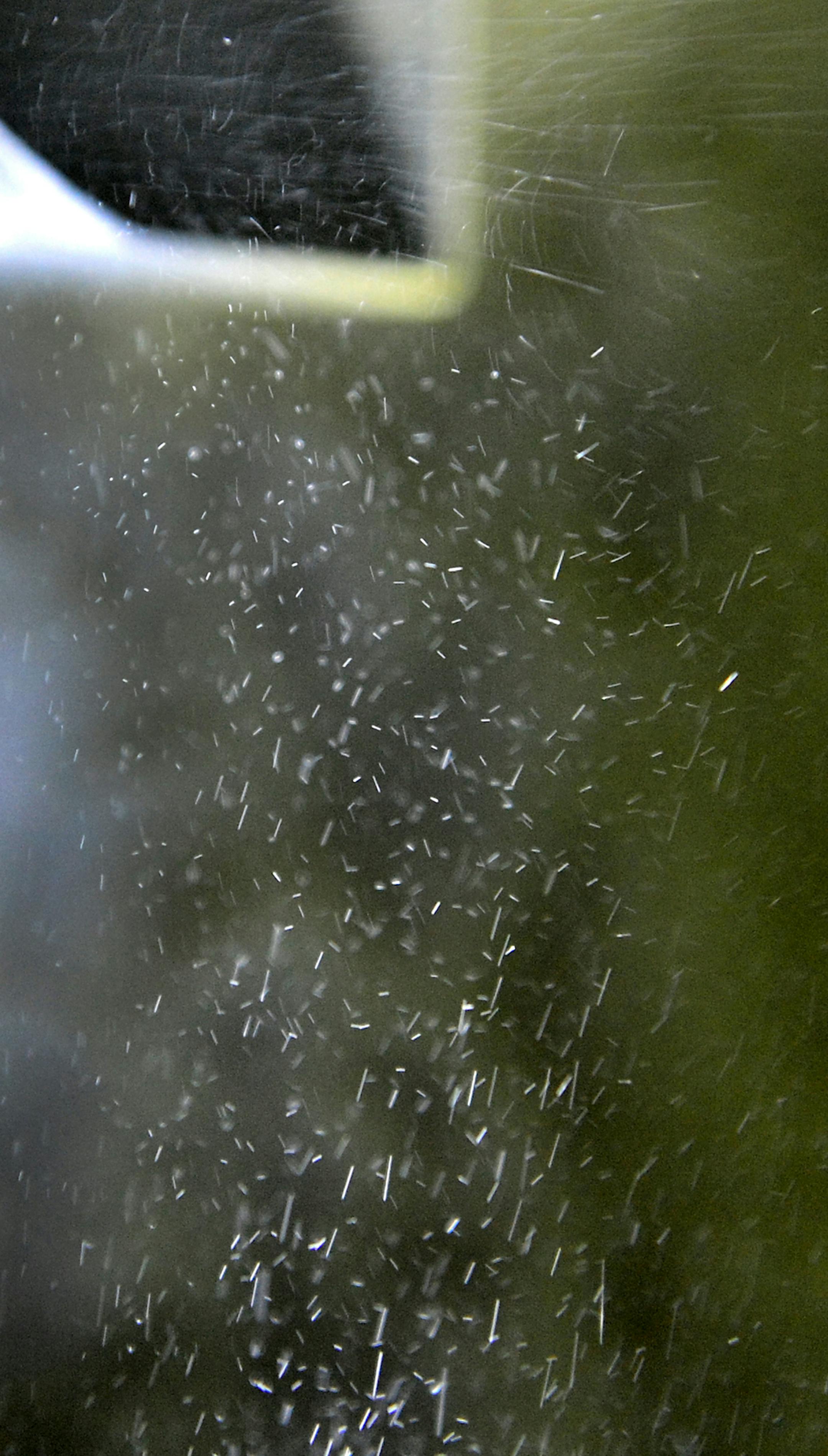
A thick layer of salt crystals lines the walls, and the coarse-ground mineral carpets the floor like sand. A machine known as a halogenerator gives off a soothing hum as it blows microscopic particles of high-grade sodium chloride into the air.
The room's setting isn't so much beach as cave. In fact, it is designed to replicate one of Eastern Europe's salt caves. Over the centuries, the quiet, salt-infused environments of these caves have become famous among Europeans for their purported powers to ease symptoms of a variety of respiratory and skin conditions.
Costa has long suffered from sinus allergies and asthma. Since starting her 45-minute sessions at the salt spa in July, she's enjoyed so much relief she has been able to scale back her use of decongestants and a corticosteroid inhaler.
"For my first tour of the spa, I walked in, and right away I could taste it in my mouth. It was on my tongue in an invigorating way," Costa said. "About two weeks after I started coming here I was having terrible allergies, a real bad headache. At the end of the salt treatment, the congestion and pressure had almost dissipated."
Count Costa as yet another convert to "halotherapy."
In ancient Greece, Hippocrates told patients with respiratory conditions to inhale salt water steam. Medieval monks treated patients in salt caves. And a 19th-century Polish doctor noted the low rates of respiratory illnesses among salt miners.
A 2006 New England Journal of Medicine study found that inhaling salt-infused vapor improved breathing for 24 patients with cystic fibrosis. Another small 2006 study in the European Journal of Allergy and Clinical Immunology said that people with asthma reported breathing easier after several weeks of regular halotherapy treatments.