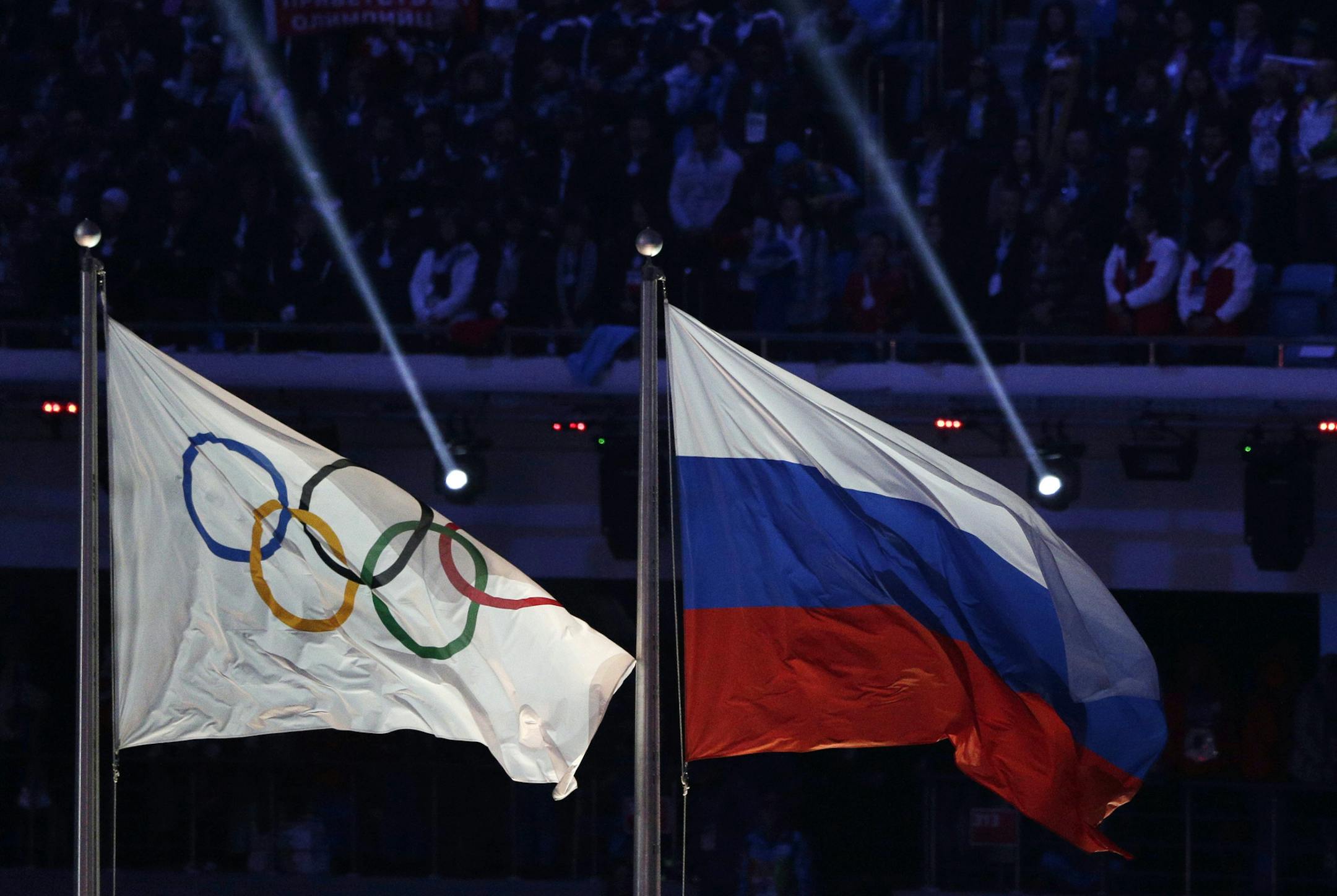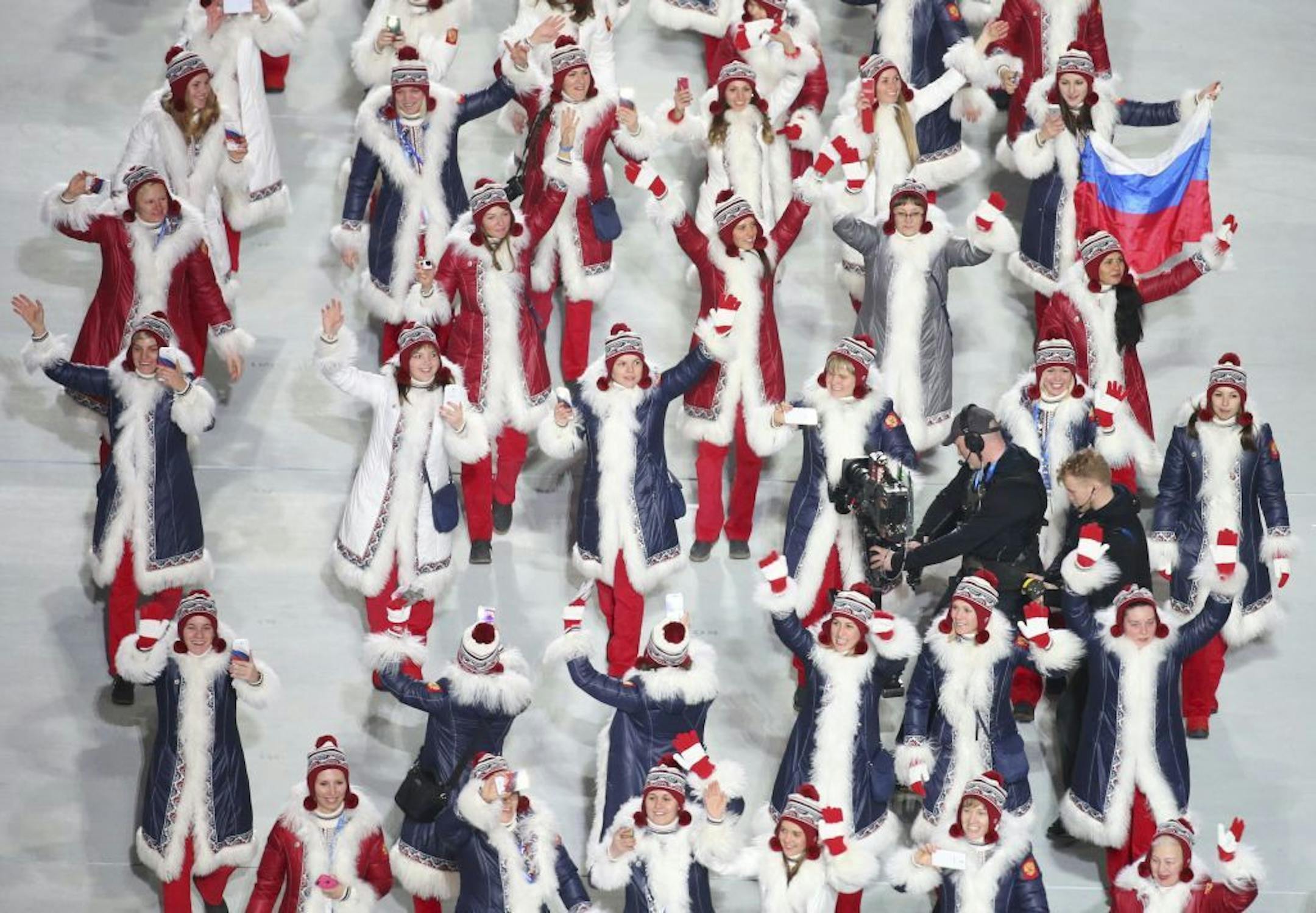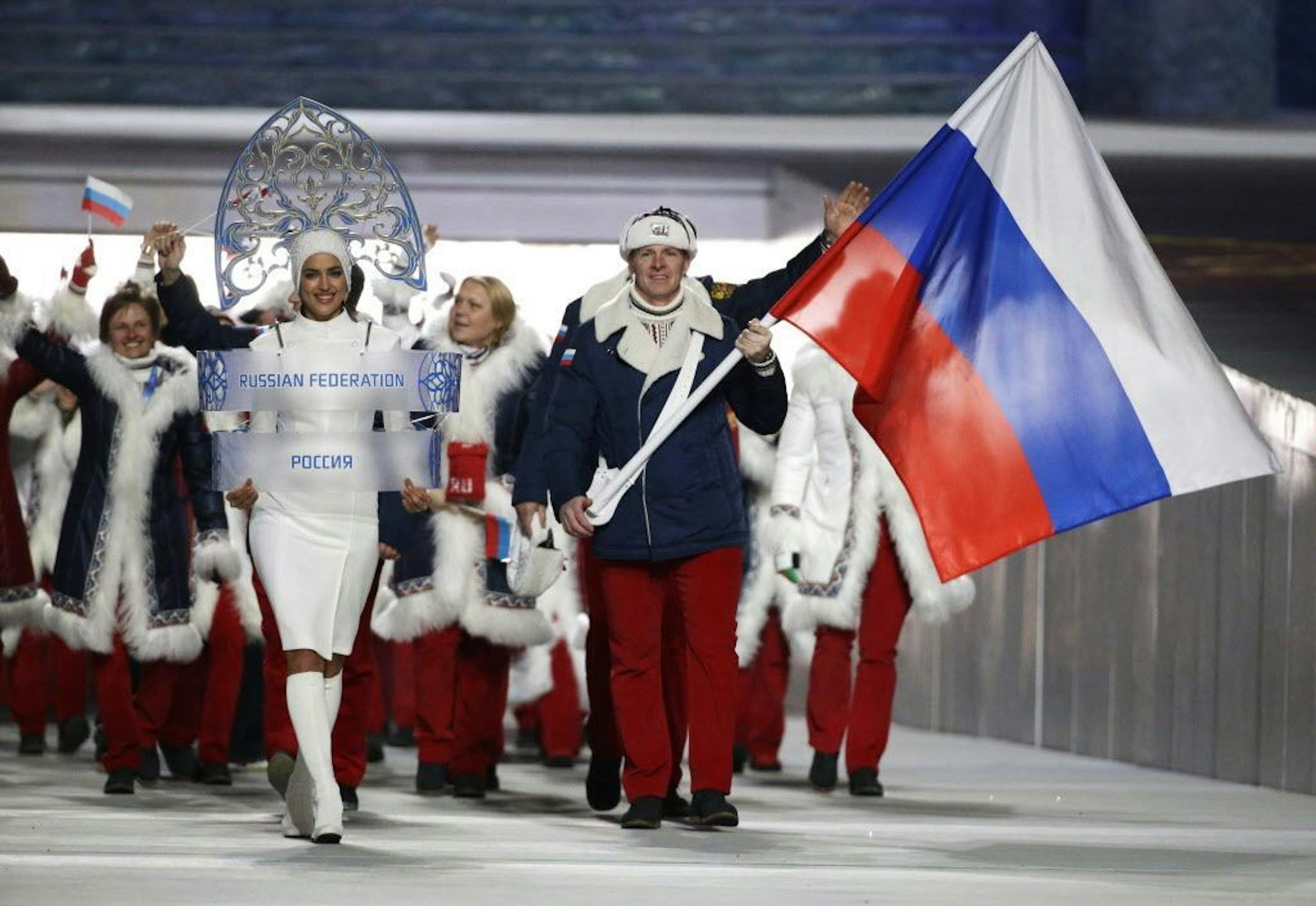
LAUSANNE, Switzerland – Russia's Olympic team has been barred from the 2018 Winter Games in Pyeongchang, South Korea. The country's government officials are forbidden to attend, its flag will not be displayed at the opening ceremony and its anthem will not sound. Any athletes from Russia who receive special dispensation to compete will do so as individuals wearing a neutral uniform, and the official record books will forever show that Russia won zero medals.
That was the punishment issued Tuesday to the proud sports juggernaut that has long used the Olympics as a show of global force but was exposed for systematic doping in previously unfathomable ways. The International Olympic Committee, after completing its own prolonged investigations that reaffirmed what had been known for more than a year, handed Russia penalties for doping so severe they were without precedent in Olympics history.
The ruling was the final confirmation that the nation was guilty of executing an extensive state-backed doping program. The scheme was rivaled perhaps only by the notorious program conducted by East Germany throughout the 1960s, '70s and '80s.
Now the sports world will wait to see how Russia responds. Some Russian officials had threatened to boycott if the IOC delivered such a severe punishment.
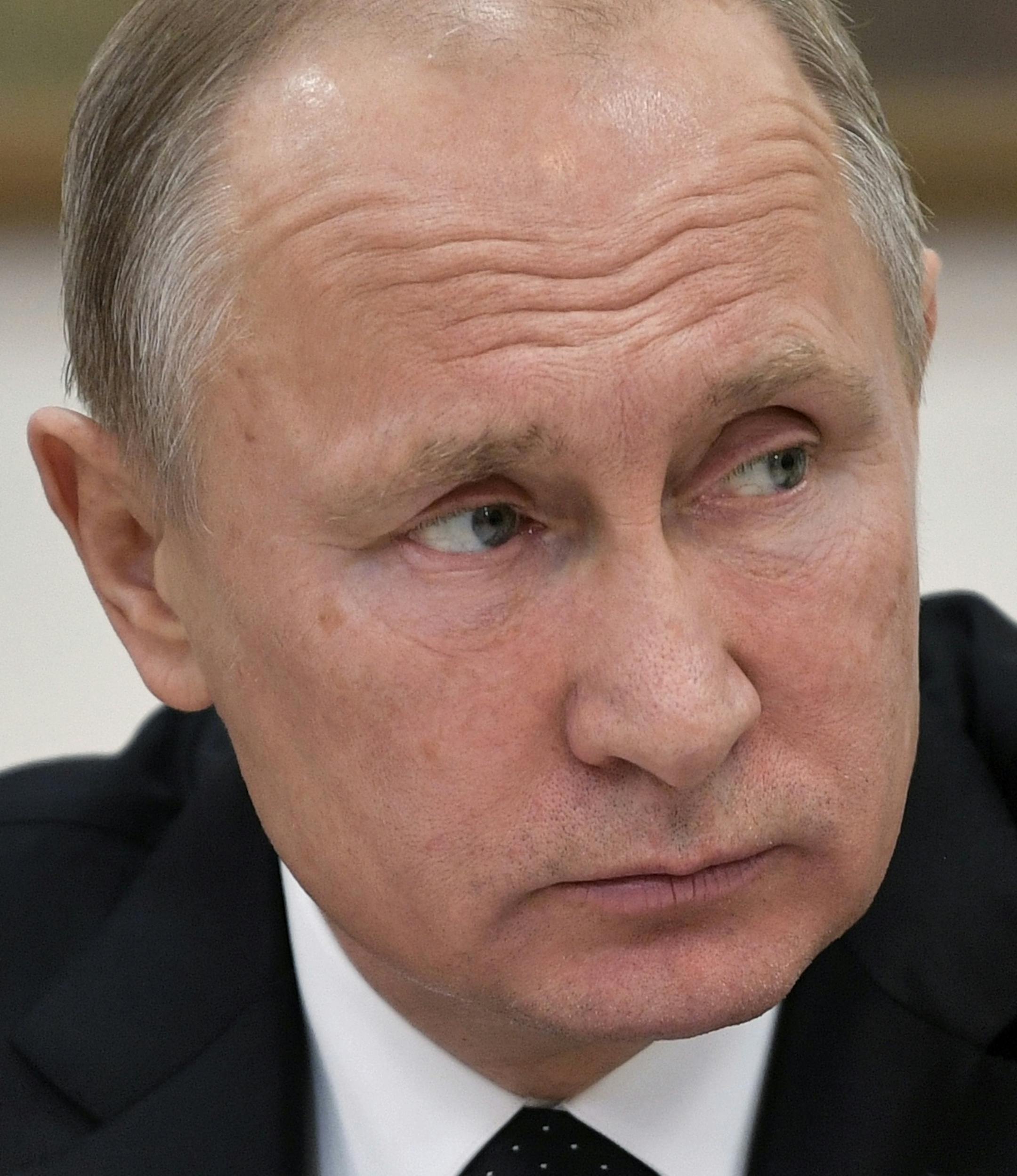
President Vladimir Putin seemed to be predicting a boycott of the Pyeongchang Games with a defiant dismissal of the doping scandal and a foreign policy in recent years based on the premise that he has rescued Russia from the humiliation inflicted on it by the West after the collapse of the Soviet Union. His spokesman, Dmitry Peskov, has said no boycott was under discussion before the announcement, however, and the news broke late in the evening in Moscow when an immediate reaction was unlikely.
In barring Russia's team, Olympic officials left the door open for some Russian athletes. Those with histories of rigorous drug testing may petition for permission to compete in neutral uniforms. Although it is unknown exactly how many will clear that bar, it is certain that the contingent from Russia will be depleted significantly.
Olympic officials made two seemingly significant concessions to Russia:
• Any of its athletes competing under a neutral flag will be referred to as Olympic Athletes from Russia. That is a departure from how the IOC has handled neutral athletes in the past. For example, athletes from Kuwait, which was barred from the 2016 Summer Games, were identified as Independent Olympic Athletes last year in Rio de Janeiro.