
Brown: As Minnesota braces for winter, federal cuts leave energy assistance in limbo

Backlogs threaten the timely distribution of assistance that can make a huge difference, even if relied upon just once.

Columnist Icon
The Minnesota Star Tribune
November 17, 2025 at 10:59AM
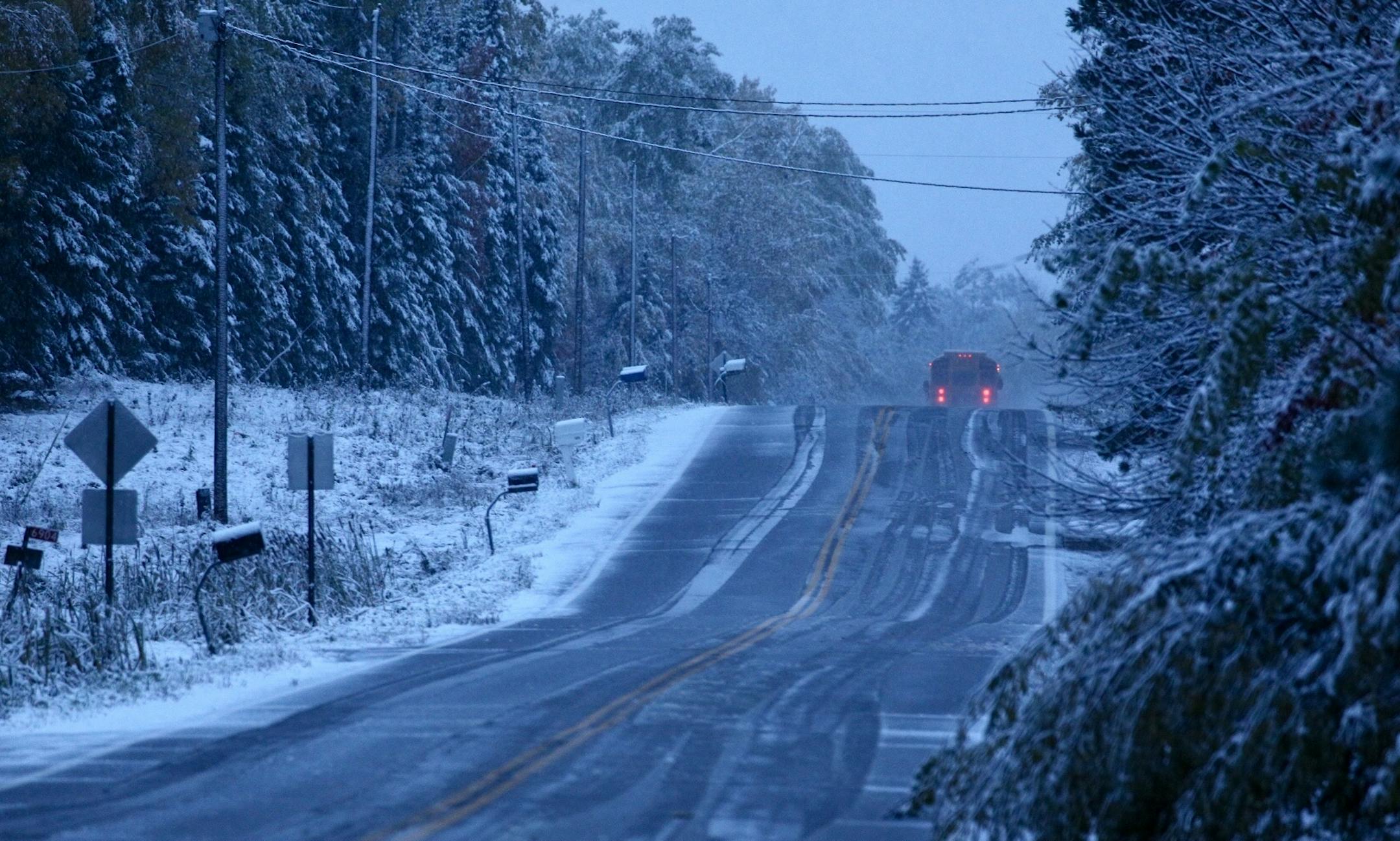
A school bus travels down slushy County Rd. 49 near Canyon, Minn. on Oct. 5, 2018. (BRIAN PETERSON)

Opinion editor’s note: Strib Voices publishes a mix of commentary online and in print each day. To contribute, click here.

•••

My mom and dad never wanted to accept any charity. Mom thought other people should get it and, at the time, Dad wasn’t sure anyone should.

In the 1980s, when the mines on the Iron Range were all closed, our family’s junkyard business was failing. One year, we only made a few thousand dollars. It was around this time one of my stuffed animals froze to the metal wall of our trailer on a cold winter morning. We ended up on energy assistance that year.

Ronald Reagan was president, a staunch small-government conservative, and yet the process worked. Federal money went to the state, then to a local agency serving our area. We survived a tough winter and never needed benefits again. This year, however, families in similar conditions might not have access to home energy assistance programs because of uncertainty over federal funding.

It’s true, Congress passed a resolution funding the government through January last week, signed by President Donald Trump. This will release funds for federal programs like the Low Income Home Energy Assistance Program (LIHEAP), which last year helped heat almost 6 million homes in the U.S., more than 120,000 here in Minnesota.

But the 43-day-long shutdown created an enormous backlog in a program that had seen significant layoffs during the administration’s federal staff reductions earlier this year.

Maggie Schuppert is the director of strategic initiatives at CURE-MN, a rural environmental and economic advocacy organization. She said it could be December or even January before people start receiving the funds.

“That’s through the holiday season in the depths of winter,” said Schuppert. “It’s really scary to think about.”

Low-income energy assistance is allocated by the federal government to the states. States then coordinate with local agencies, nonprofits and tribal governments that collect applications to distribute funds. Today, local organizations are helping people prepare contingencies.

At West Central Minnesota Communities Action in Elbow Lake, program director Andrea Goeden said more than 3,100 applications already have been received since Oct. 1 for the energy assistance program from the seven rural counties covered. Normally, she said, the state distributes funds around Thanksgiving, but she expects significant delays because of the shutdown. Her own staff could be temporarily laid off if the funds don’t arrive in the next couple weeks.

The confusion deeply affects people in need.

“There’s a lot of uncertainty voiced from those individuals and families who are already facing an economic injustice,” said Goeden. “A lot of senior citizens, after their Social Security check, they might have about $100 left, which is already covering SNAP funds they didn’t receive and then trying to pay the electric bill, and we all see those costs increasing every day.”

Goeden is advising clients about other options. Minnesota has a cold weather shut-off law that prevents utilities from cutting off electricity or natural gas if customers can establish a payment plan for unpaid bills. However, this does not apply to households that use fuel oil or propane heat, which are common in rural areas.

The “Reach Out for Warmth” program is available as a backup but depends upon donations. Goeden said that in her area churches and civic organizations help fill the coffers but that the fund can’t cover the coming shortfall for long. These funds are locally managed around the state and vary in size.

Schuppert’s organization, CURE-MN, is calling on Gov. Tim Walz to allocate emergency funding to cover low-income heating assistance until federal funds arrive. Schuppert argues that utility and energy companies can do more to keep rates lower and help those in need.

“These are life-and-death circumstances for a lot of people,” said Schuppert. “The fact that it’s even this much of a discussion and this much wrangling over this right now is a really unfortunate indicator of the times we’re in.”

Under the best-case scenario, funding delays will be worked out by mid-December. But we’re about to find out what the Trump administration’s staff reductions did to the operational capacity of federal programs like LIHEAP. Meantime, costs continue to rise while Americans continue to lose economic optimism.

Poverty is a failure of conditions, not morality. We will always need a safety net. My family’s experiences prove that such a net helps people move forward to better times. If we want benefits to remain temporary, we must address systemic and economic problems at the root of the issue. That’s where we should transfer the heat of this debate.

There is no excuse for people to suffer or even freeze to death in a wealthy nation like ours. Minnesota can’t avoid being cold, but we must never be heartless.

about the writer

about the writer

Aaron Brown

Editorial Columnist

Aaron Brown is a columnist for the Minnesota Star Tribune Editorial Board. He’s based on the Iron Range but focuses on the affairs of the entire state.

See Moreicon