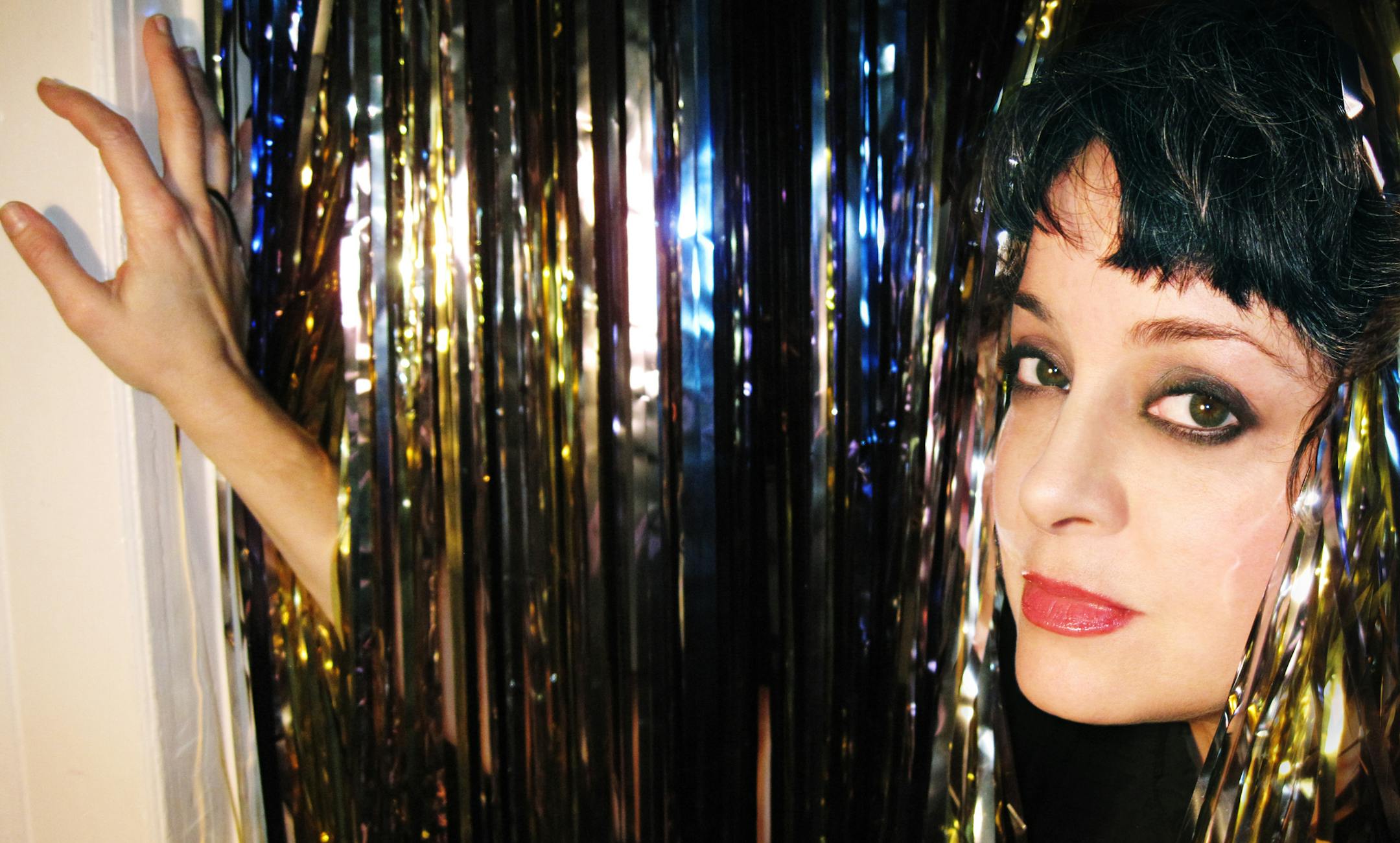
It's fitting that when singer Kelly Hogan returns to the Twin Cities on Thursday, she will appear at St. Paul's pleasantly funky Turf Club. The feel-good story of her charmed life over the past year seems less like a fairy tale than a scruffy indie movie.
Her early career was a litany of hard luck. After a rough-and-tumble upbringing in Georgia, Hogan was the singer and guitarist for the Jody Grind in the early '90s, recording a pair of well-received albums before a car crash killed two of her bandmates. She spent the rest of the decade in the garage band Rock*A*Teens, moving to Chicago where she recorded a couple of obscure solo albums, found steady work as a backup singer and became a publicist for the roots-rock label Bloodshot Records.
When her third solo record — ironically titled "Because It Feels Good" — was a commercial disappointment in 2001, she entertained thoughts of leaving the business. She started tending bar at the Hideout, a neighborhood nightspot with an Old Style sign over the doorway.
But as Hogan colorfully conceded in a phone interview, "I have rabies from music." Her sweet but soulfully heartfelt voice was still much in demand, backing up everyone from Andrew Bird to Mavis Staples to the Drive-By Truckers.
Her closest musical alliance, though, was with Neko Case. After they met in New York in 1997, Hogan dragged Bloodshot owner Rob Miller to a Case show. The label wound up releasing Case's first three records.
The two were fast friends before Case even knew Hogan was a singer. "She punched me the first time she found out," Hogan said with a laugh.
As Case blossomed into an indie-music darling, Hogan became a fixture in her band. Andy Kaulkin, who runs the Anti record label that has been Case's musical home since 2004, encouraged Hogan to think about another record. He further suggested that, given the yeoman service Hogan had performed to assist the careers of many fine songwriters, it wouldn't be out of line for her to hit them up for material.
"I didn't think anybody owed me anything, but Andy's suggestion interested me, and frightened me," said Hogan, who spent the next few months writing to about 40 artists — "fan notes saying how much I loved their work and asking if they had a song in them with me in mind."