

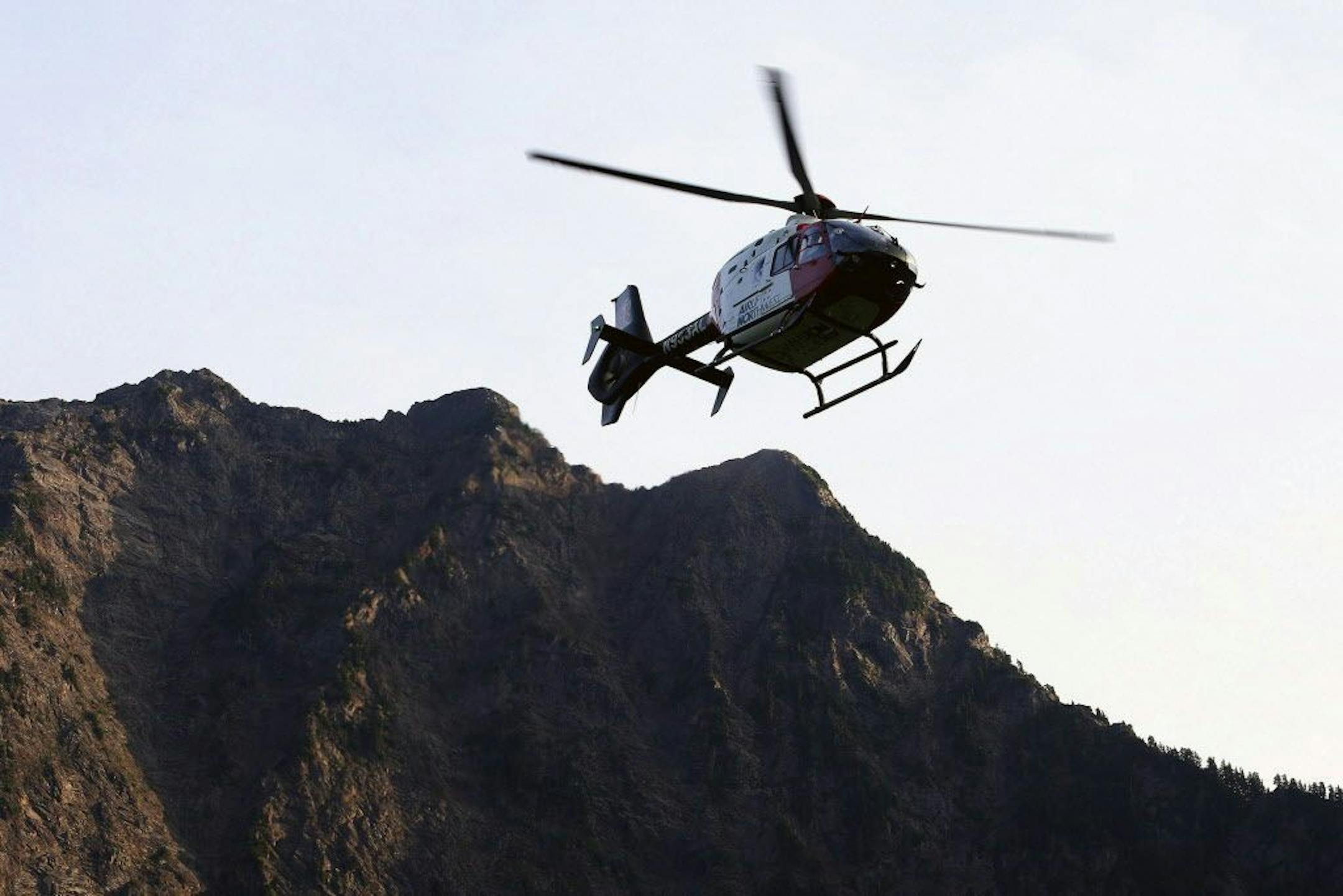
A helicopter trip to a hospital may not be the only shock a patient faces after a bad accident. The next one could hit when the bill arrives.
Rides in so-called air ambulances can lead to bills of more than $20,000 depending on a person's coverage, and insurance experts say big invoices are becoming more common as costs rise and coverage shifts.
Air ambulances transport around 400,000 people each year in the U.S., according to industry estimates. Most trips are from one hospital to another. But they also play a vital role in getting seriously injured or ill people fast help during what doctors call "the golden hour" — the initial window after an accident when a patient's chances for recovery are better. Here's a deeper look at the issue:
A SPIRALING EXPENSE
Median prices for helicopter air ambulance services doubled from around $15,000 to about $30,000 from 2010 to 2014, according to a U.S. Government Accountability Office report last year.
Patients with private insurance can get stuck with most of that bill if the helicopter that picks them up is not in their coverage network. In those cases, the air ambulance company can bill the patient for the leftover balance after the insurer pays part of it. The GAO report said it was unclear how often patients are billed like this.
The main reason patient costs are rising is because the expense of running air ambulances has more than doubled in the past decade, but reimbursement from the government-funded Medicare program hasn't changed, said Blair Beggan, a spokeswoman with the trade group Association of Air Medical Services. She added that Medicare reimburses about 58 cents for every dollar air ambulance companies spend transporting patients, and some commercial insurers have been reducing their reimbursement to bring it closer Medicare rates.
That, Beggan said, can force air ambulance companies to leave insurer networks.


