For a country as closed and intimidating as North Korea is, the number of memoirs by people who briefly lived there is surprisingly large — at least one a year since 2000, according to a list by the Seoul-based website NK News.
The books fall into two categories. In the first are those by authors who clearly wish to be allowed back. They pay little mind to the absence of basic freedoms for North Koreans and dismiss the restrictions they experience themselves. They are not alone: A sizable number of academics, businesspeople and journalists apply the soft bigotry of low expectations to North Korea in trade for access to it.
Suki Kim, a Korean-American immigrant, author of the widely praised 2004 novel "The Interpreter" and magazine chronicler of occasional visits to the North, is in the second group, those who don't care whether they return.
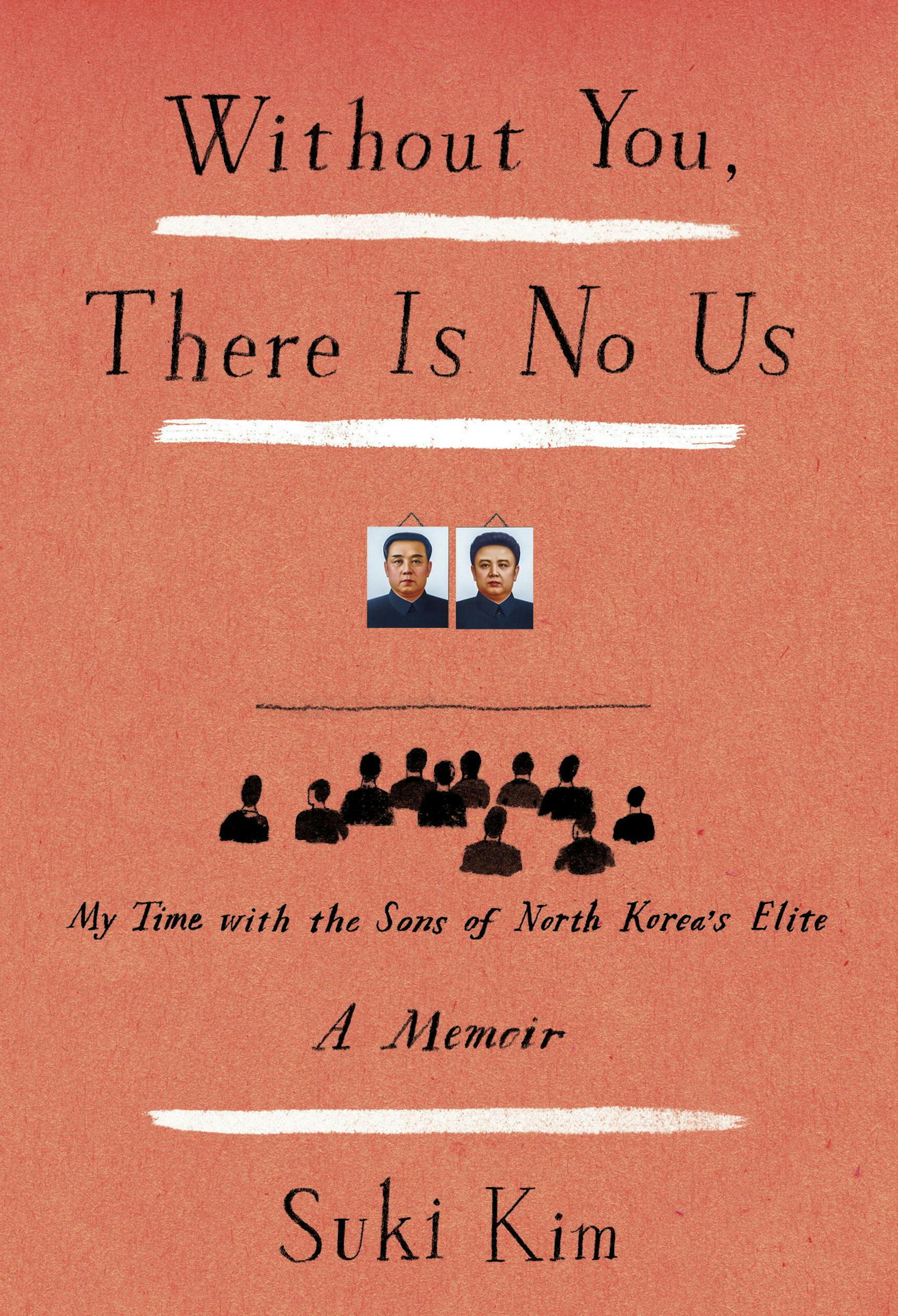
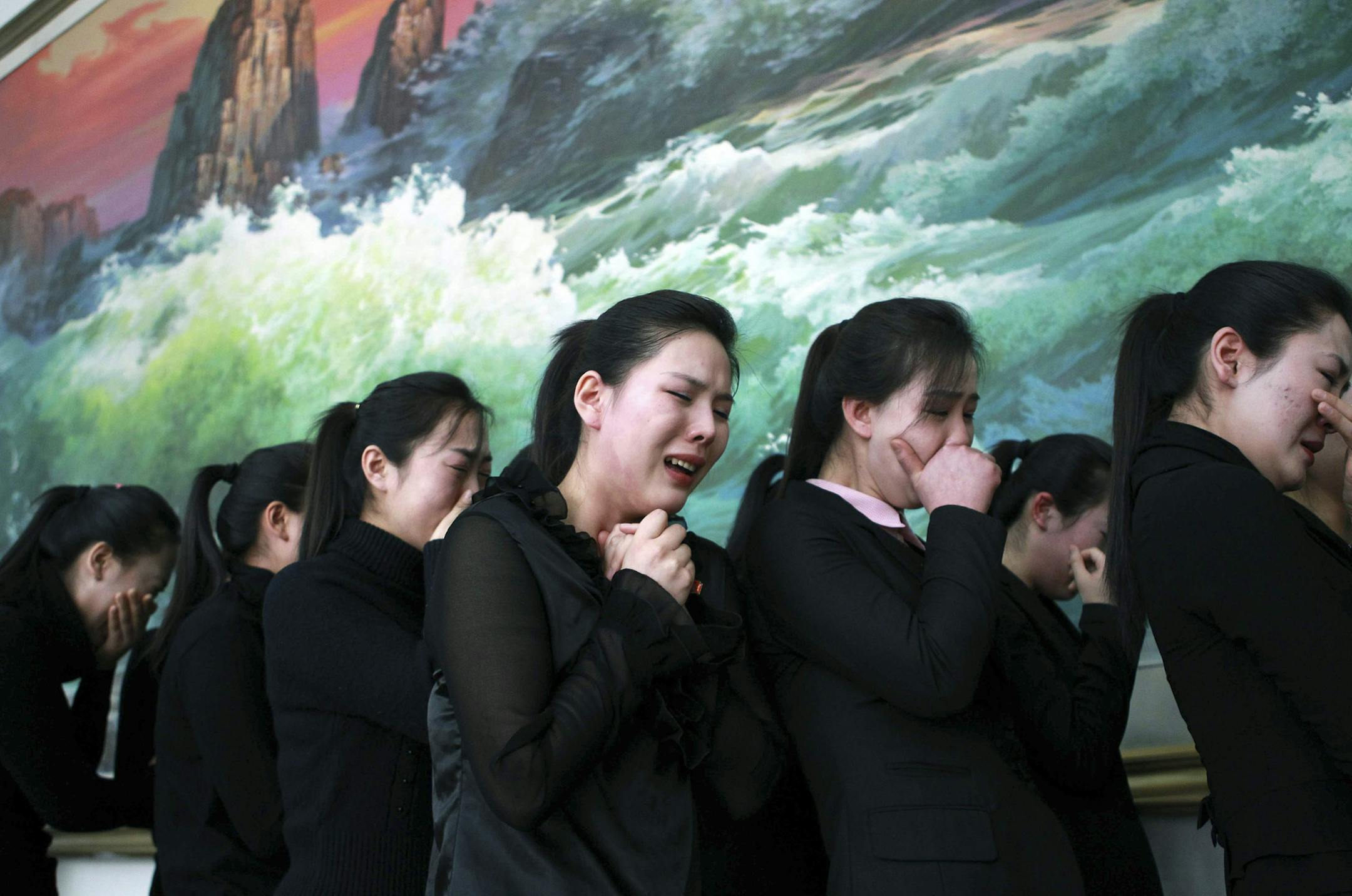
Her new book, "Without You, There Is No Us," is a vivid, uncompromising and intensely personal account of the six months she spent teaching at a Pyongyang university in 2011, a period that happened to end on the day dictator Kim Jong Il's death was announced. Her last experience with students was seeing them completely overcome with grief.
The book will anger the regime of Kim's son, Kim Jong Un, and the school's Korean-American leadership and benefactors. She changed the names of all the students and teachers — and even the North Korean government minders who shadowed them — for protection from reprisals.
The need to do so is clear on the first sightseeing outing she and the other teachers took one weekend shortly after their arrival. When their bus passed a construction site, she writes, the workers became visible "with hollowed eyes and sunken cheeks, clothing tattered, heads shaved, looking like Nazi concentration camp victims." She glanced at another teacher who "mouthed the exact word that struck me at that moment: 'Slaves.' "
Taken to a farm to use an outhouse on the way home, the teachers saw an elderly woman come out of a house to look at them, then retreat when ordered back inside by one of the minders. Kim, who had comfortably visited North Korea several times, suddenly felt "a paralyzing fear" in that moment. "I was afraid of getting stuck here. I was afraid of the minders who could order the old woman to go away, and the speed with which she listened," she wrote. "I recalled the way my students stiffened at the sight of [minder] Mr. Ri. The terror here was palpable."
Her relationship to her students, sons of the elite, is complex: often protective but always wary. When a student over a lunch conversation spoke to her of a fondness for rock music, he quickly looked around to see who else heard him. The only explanation for the reaction, she writes, was "a sort of ingrained fear that I could never fathom."