The world doesn't lack cancer memoirs, and a few about coping with Parkinson's and stroke also have popped up. But it's new to find a firsthand account of living with ALS (also known as Lou Gehrig's disease), a vicious illness that attacks the nervous system, taking sufferers in a few years from tripping over their feet to gasping for air.
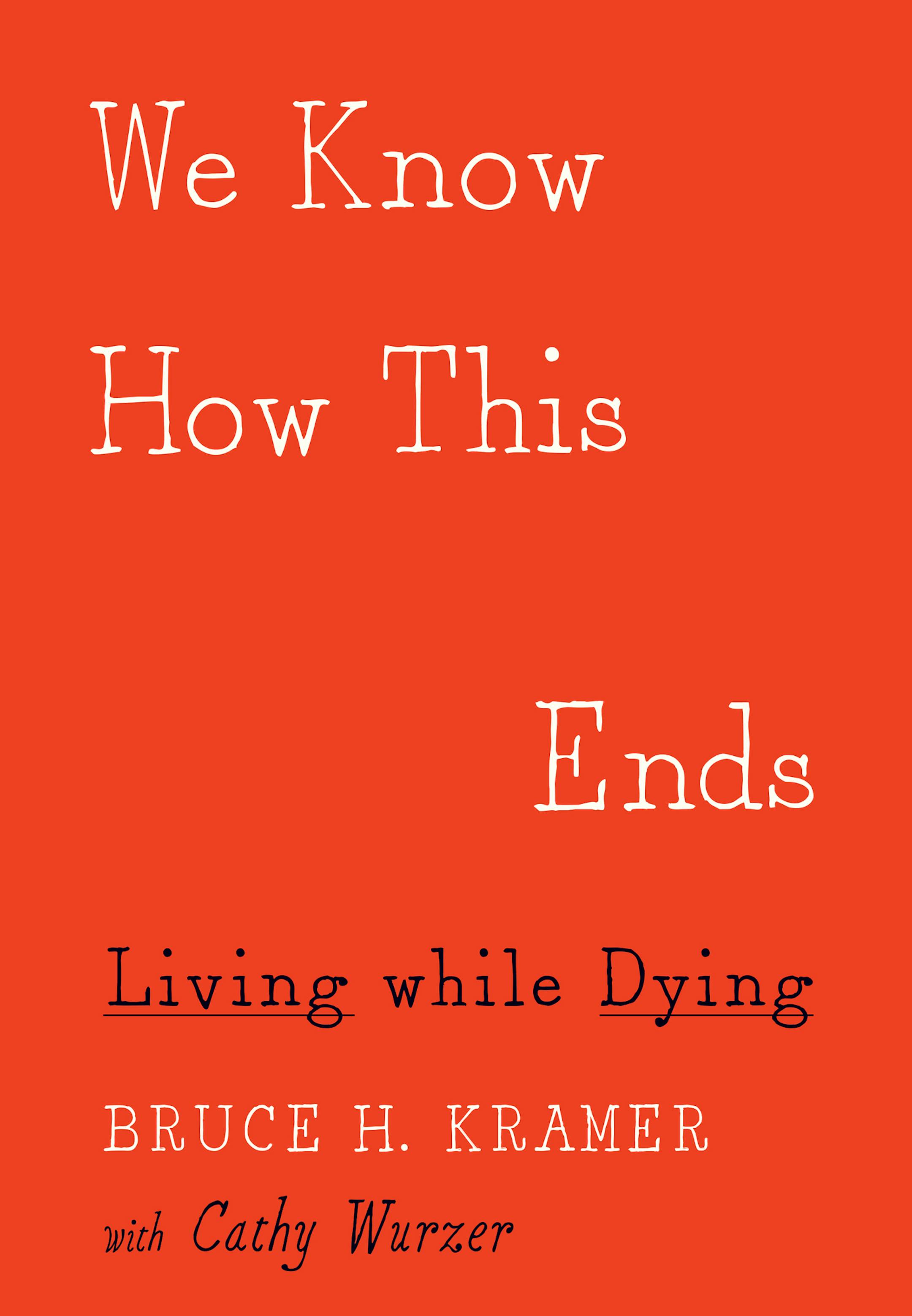
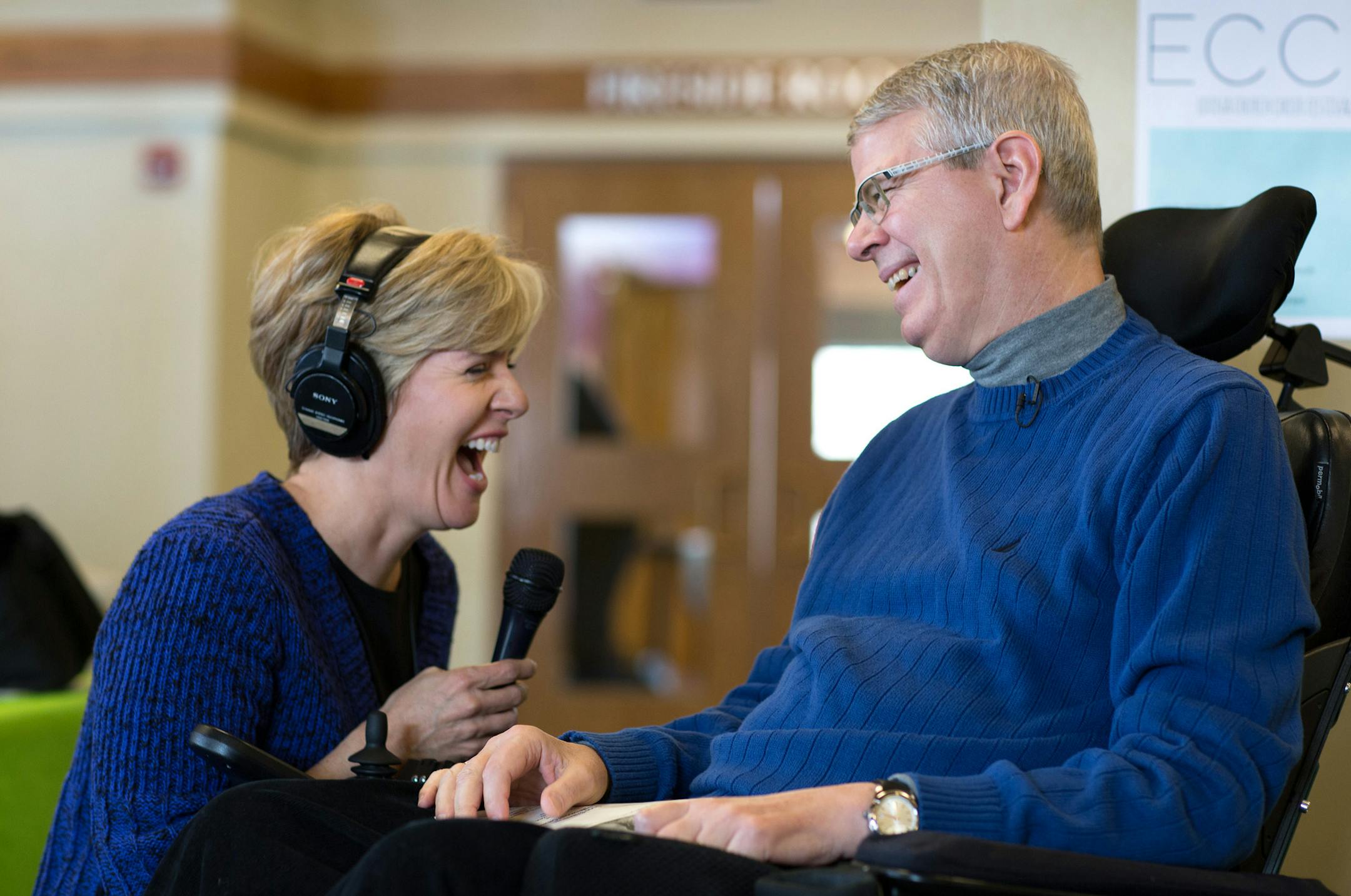
And what a gripping account this is. Bruce Kramer, former dean of the University of St. Thomas' College of Education, first publicly explored his ALS in a series of conversations with MPR "Morning Edition" host Cathy Wurzer. In this wrenchingly honest book, he holds nothing back. (A note about Wurzer's contribution: Her interjections give a framework to Kramer's story and cover her own struggle with her father's Alzheimer's disease. The former inclusions are helpful; the latter less so.)
Kramer's memoir, "We Know How This Ends," moves from 2010, when his ALS was diagnosed, to 2014, by which time he was using a power wheelchair and struggling to talk and breathe. Or as he more poetically puts it, "ALS has its own gravity, strong enough that each repeated orbit is always just a bit smaller, a hair closer to the sun."
Kramer and his wife, Ev, struggled with the diagnosis and all it meant for their full lives as professionals, parents and world travelers. But to Kramer's credit, it isn't long before he is gamely facing the changes that ALS brings: moving to an apartment, retiring from work and, perhaps most difficult of all, accepting help from others. "To dance this dance, we must embrace vulnerability," he writes.
Just as remarkably, he is able to see past his own challenges to acknowledge those faced by his wife and sons, his chief caregivers. Observes Kramer, "Those responsible for the care of the chronically ill are far more susceptible to despair."
As his disease progresses, Kramer thinks deeply, and writes movingly, about his inevitable bouts of self-pity, tests of faith, growing acceptance of the disease and the endless challenge of "the tell," in which the affected person — rather than receiving comfort from family and friends — must instead deal with their wildly varying reactions when confronted with the news.
Kramer also examines the decision of some ALS sufferers to opt for assisted suicide, a choice he rejects in part because it "may play into the not-so-subtle ratification that a life framed by disability can be easily judged to be less than living."
In some of his strongest passages, Kramer reminds the reader that "dis ease," as he calls it, is not an uncommon occurrence but instead a natural and even inevitable part of life. We are all just "temporarily abled," he notes, although he knows better than most how threatening that fact is to most people. "Acknowledge disability or death," he writes, "and suddenly you must acknowledge just how vulnerable the human condition really is."