In the tragic month just past, much has been made of Bostonians' resolve. At an interfaith service held on April 18, President Obama said that Boston has reminded us "to push on, to persevere, to not grow weary, to not get faint even when it hurts." The roots of that resolve, along with our own DNA as Americans, can be traced to the beginnings of that great city and, indeed, the transformation of a rough and tumble frontier appendage of England into these United States.
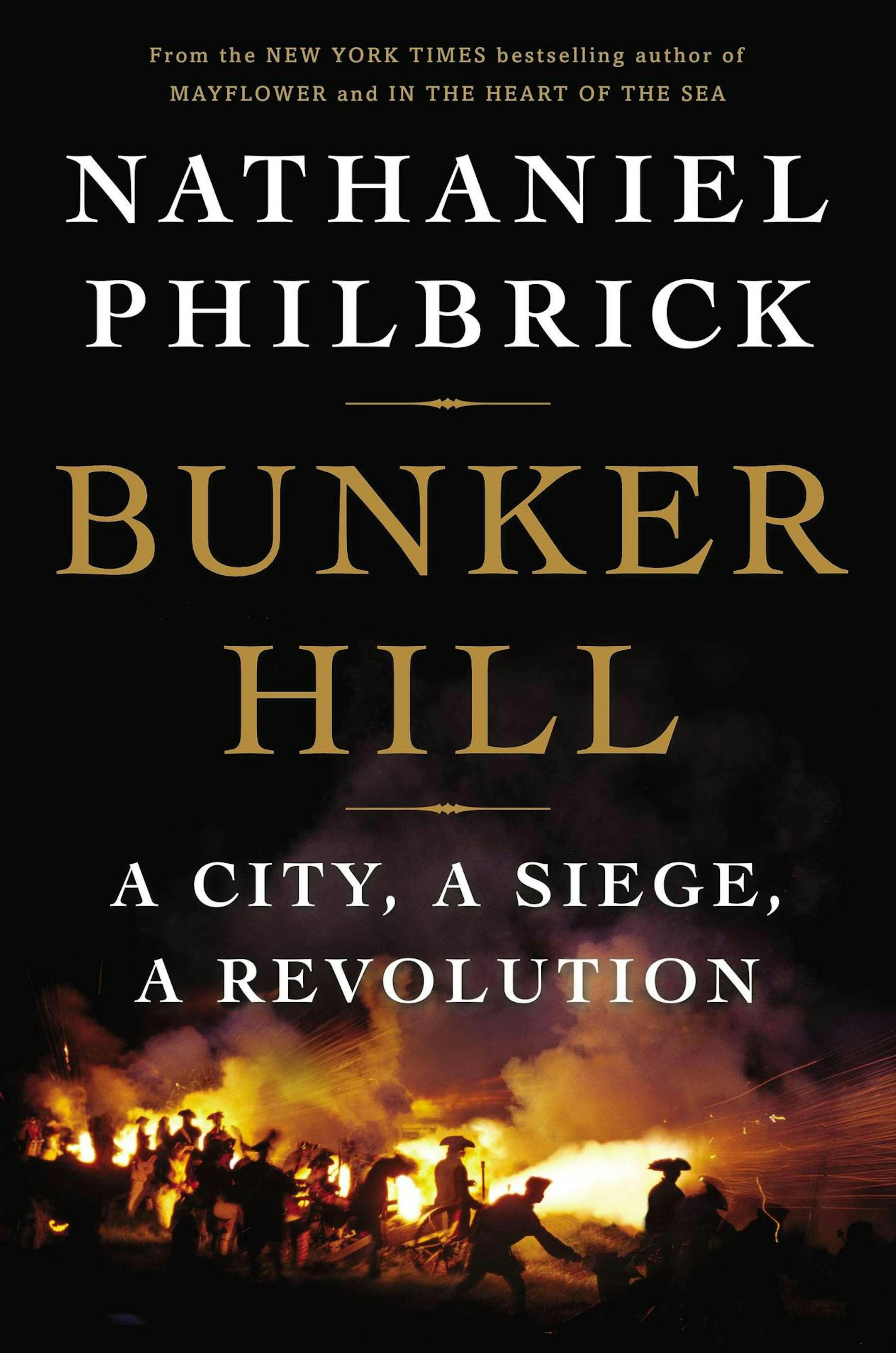
Nathaniel Philbrick's vibrant "Bunker Hill" sets the stage for one of the key battles that ignited the Revolutionary War. Philbrick praises Boston as "the true hero of this story," describing it as a "city on tiptoes" in 1775, a center of resistance to the yoke of England's rule and the scene of violent tar and featherings by colonists and other acts of "brutish vigilantism."
Philbrick details the many pieces of legislation coming across the Atlantic from England intending to control and punish the colonists. But these laws only served to incite the patriots. "Massachusetts' patriots were more resolved than ever to persevere in their insistence on liberty while the loyalists were finding it increasingly difficult to defend the ministry's overbearing measures."
Quite masterfully, Philbrick does not sink to simply good and evil distinctions in the run-up to Bunker Hill. The author reminds us that the freedoms colonists wanted were never intended to apply to blacks, American Indians or women. This was a messy time when decisions were sometimes dictated by ambition instead of some nobler trait.
Among the more ambitious of the patriots was 33-year-old Dr. Joseph Warren. Philbrick portrays Warren as a gifted political writer with a "polemicist's talent for emotional overstatement." Warren positions himself on almost every key committee and, even while surrounded by more notable men such as Samuel Adams and John Hancock, he emerges as "the de facto leader" of the revolution, only to have his career cut short when he was fatally wounded at Bunker Hill.
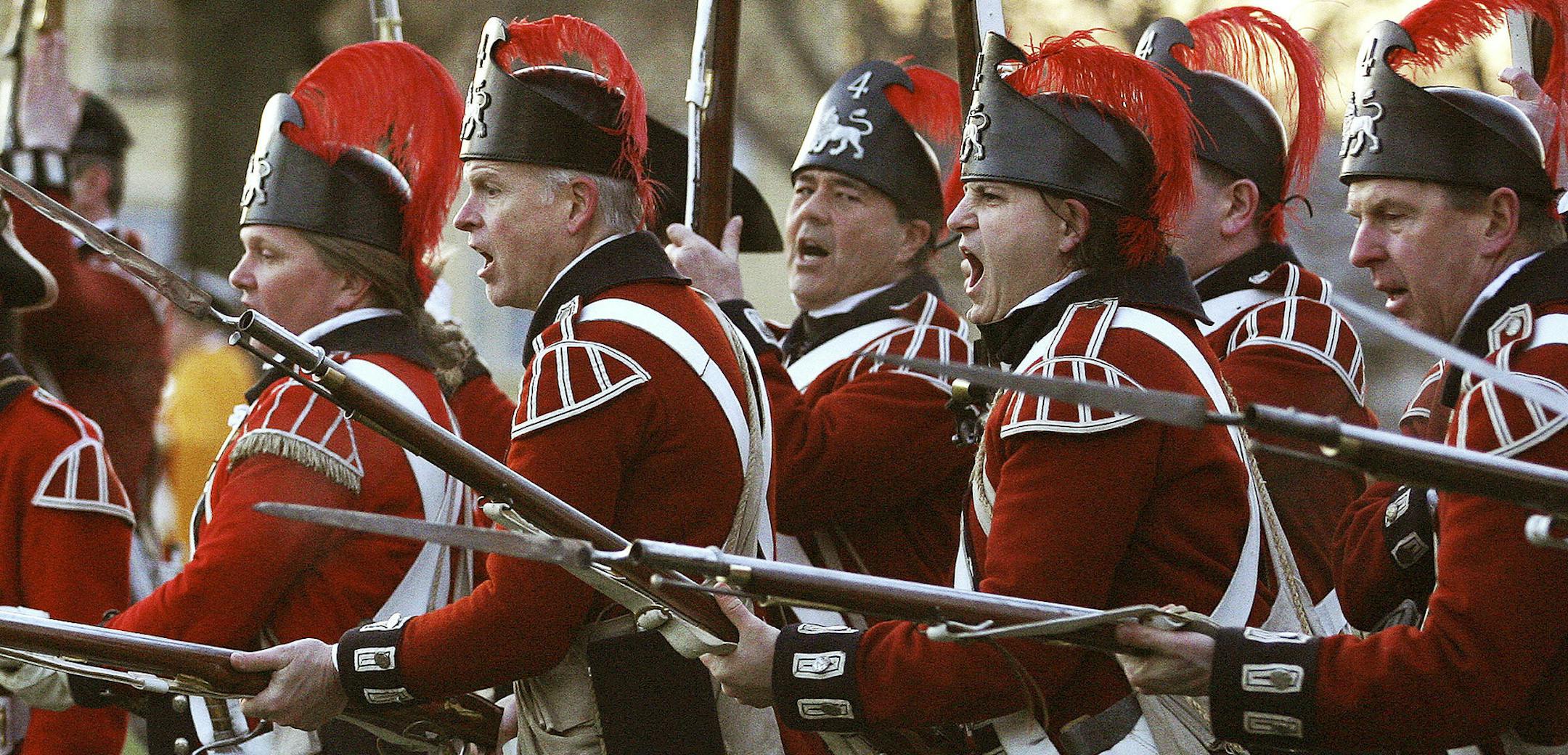
The British won Bunker Hill, but at almost 10 times the number of casualties as the militiamen. It felt like a defeat. What followed was the long siege of Boston in which some 9,000 British troops occupied 3,000 Bostonians while George Washington and patriot militiamen surrounded the outskirts itching for a fight.
In the end, Boston would survive the siege and the British soldiers and loyalists would retreat by sea to England and Canada, inspiring the Rev. Samuel Cooper to remark, "Boston has been like the vision of Moses: a bush burning but not consumed."
Stephen J. Lyons' latest book is "The 1,000-Year Flood: Destruction, Loss, Rescue, and Redemption Along the Mississippi River."