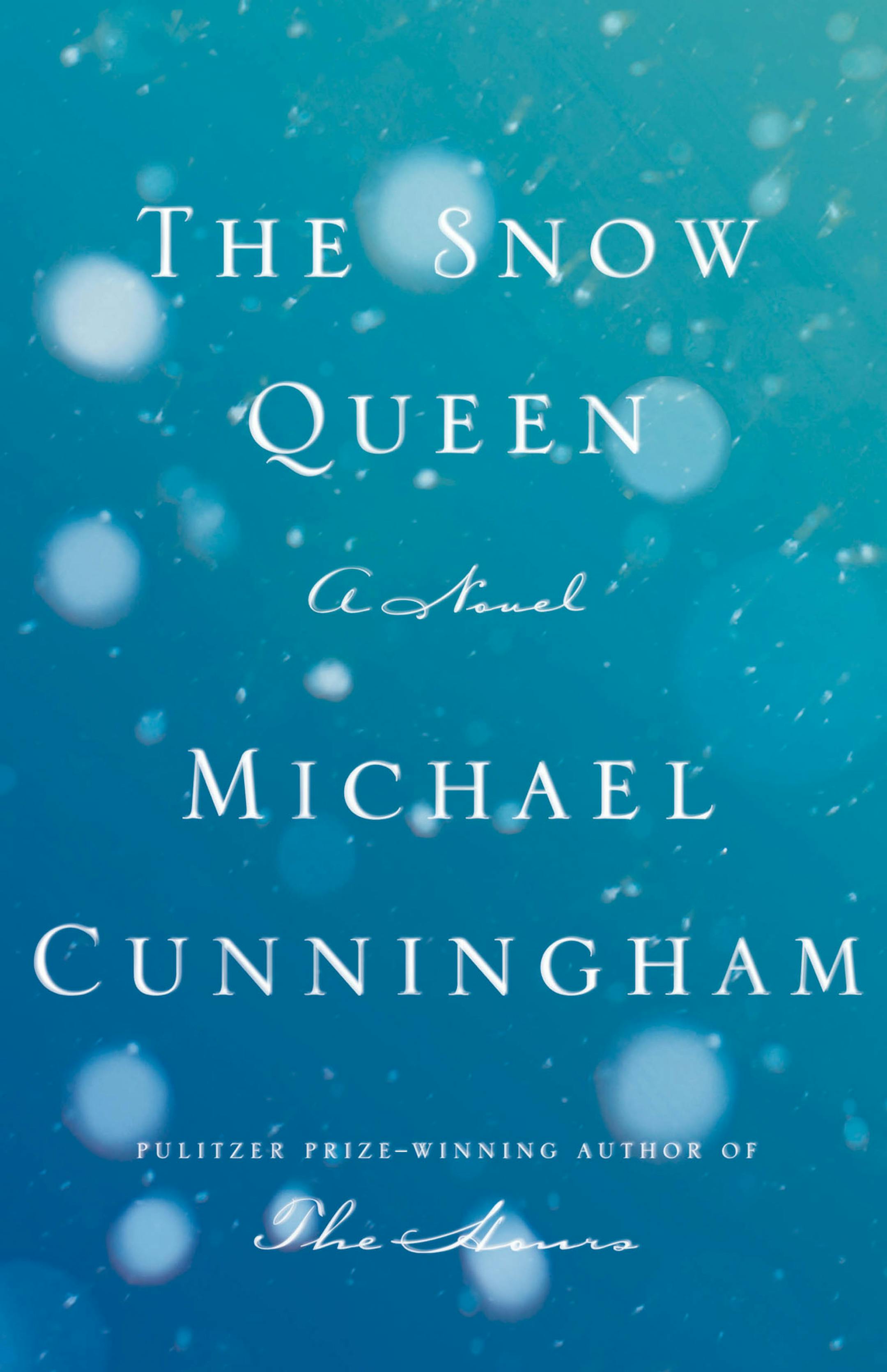
The relationship between two brothers grounds Pulitzer Prize-winner Michael Cunningham's ("The Hours") wistful sixth novel, a story about decent if flawed men still grasping for purchase on life's meaning at its midpoint.
The novel opens on a snowy evening as George W. Bush is about to be re-elected. Four days after Barrett Meeks, 38 years old and gay, has been "mauled, once again, by love," he sees in the sky over Central Park a "pale aqua light, translucent, a swatch of veil, star-high, no, lower than the stars, but high, higher than a spaceship hovering above treetops."
Barrett shares an apartment in Brooklyn's Bushwick neighborhood with his brother Tyler and Tyler's fiancée, Beth, who is dying of cancer. Tyler, a singer-songwriter who "didn't exactly plan on being an unknown musician at forty-three," is trying to write a meaningful song for his upcoming wedding, while obsessing over the dismal prospect of another four years of a Bush administration.
Wary of revealing his mystifying vision to his brother and their friends, Barrett, who's been "adamantly secular, as only an ex-Catholic can be," tentatively searches for answers inside a church, even as he holds himself at a remove from real religious observance. Tyler confronts his own drug use only glancingly. They've shared "the quietude of growing up together," and Cunningham traces their parallel journeys, as each progresses fitfully over the course of the four years that end on the eve of Barack Obama's election.
"The Snow Queen" is an inner-focused novel, featuring characters who expend most of their energy searching their own and others' feelings and motivations. Barrett and Tyler's stories are mirrored in the life of their friend Liz, a woman in her 50s who's never been able to shed her ultimately hopeless affinity for much younger men.
As in all of Cunningham's works, much of the pleasure flows from the liquid ease of his prose and the sharpness of his perceptions, as when he describes the "future that arrives in such subtle increments it's as unremarkable as the daily mail," or as in this summation:
"It's hardly ever the destination we've been anticipating, is it? Our hopes may seem unrealized, but we were in all likelihood hoping for the wrong thing. Where did we — the species, that is — pick up that strange and perverse habit?"
Though he doesn't explore the spiritual implications of his protagonist's strange vision as fully as Joshua Max Feldman did in his recent novel, "The Book of Jonah," Michael Cunningham has produced a characteristically intelligent story about our search for meaning in an age that offers few signposts to guide us.