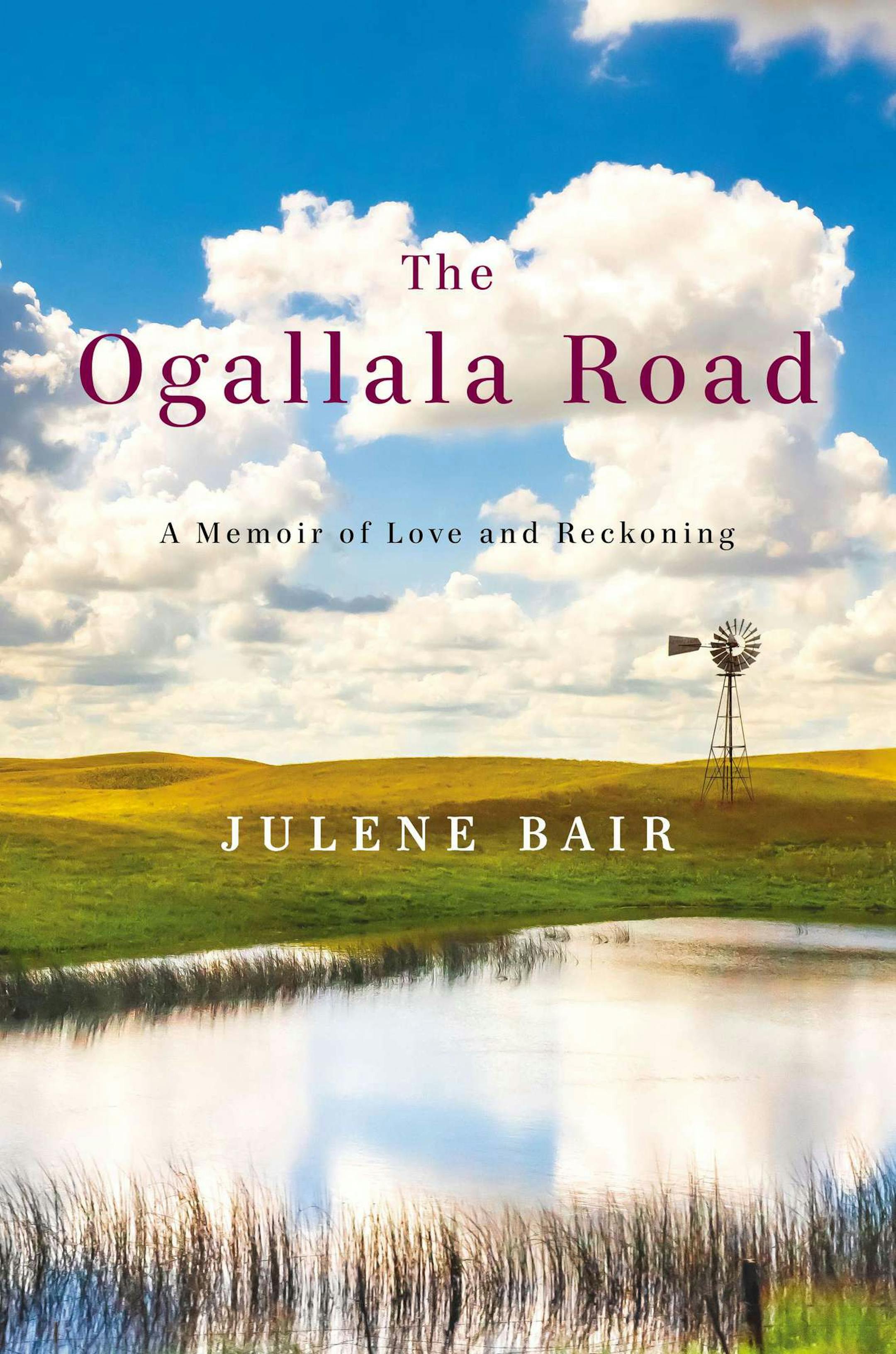
Julene Bair's memoir, "The Ogallala Road," takes place on another prairie above another aquifer, but it could just as easily have been written about Minnesota — or any of the other plains states, for that matter. Her descriptions of the sweeping grasslands that were once breathtaking in their subtle beauty and the water that once provided life for everything from turtles to buffalo to humans would also fit the prairie that stretched west across Minnesota and the Dakotas.
So, too, would the transformation of the prairie to the rigid monocultures of corn and soybeans, the disappearance of a gentler type of farming and the writer's grief over the relentless agricultural philosophy that what the Earth produces is ours to take.
"We got ours," her farmer father always told her.
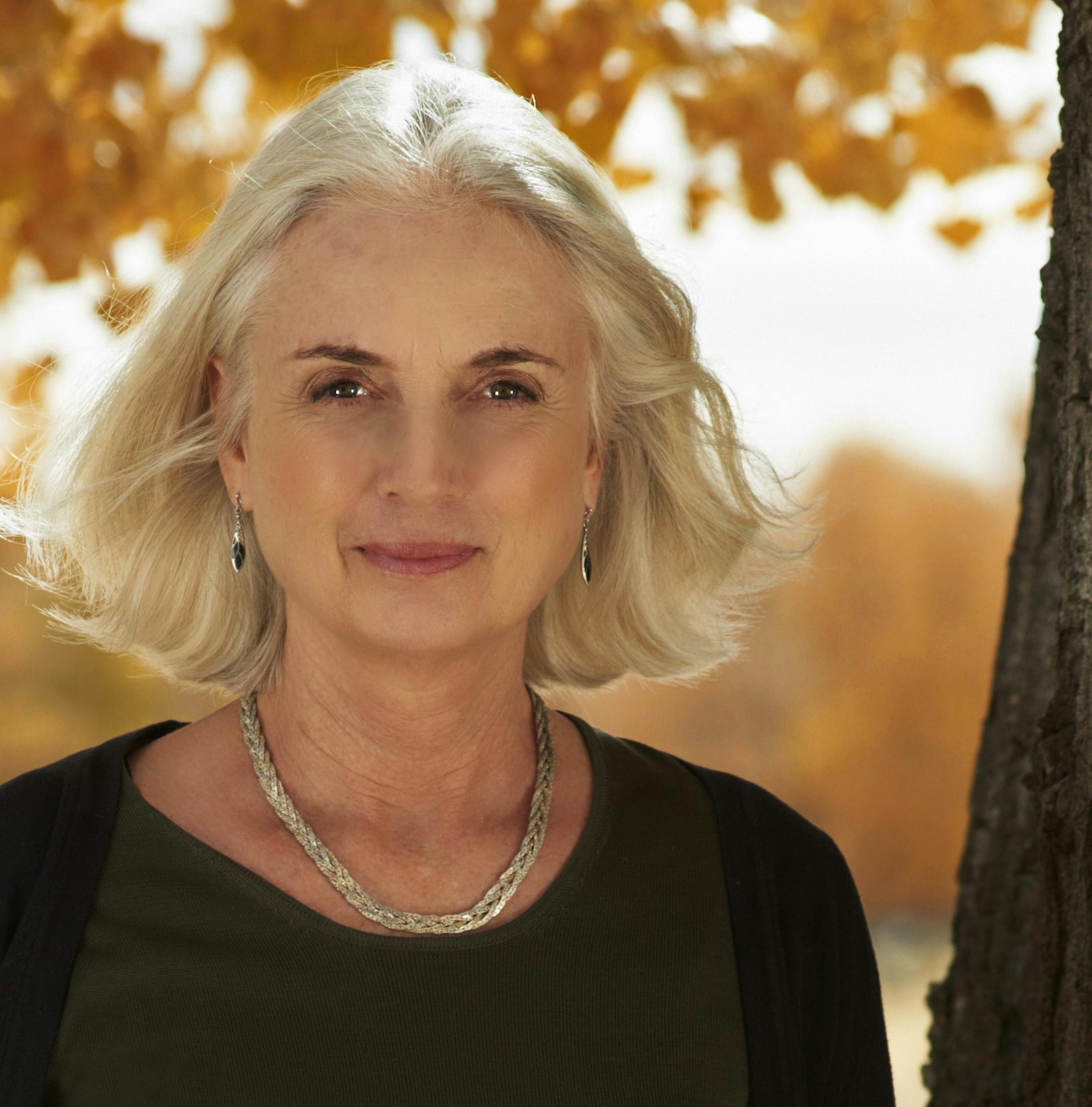
Bair, a graduate of the Iowa Writers' Workshop who has taught at the University of Wyoming and elsewhere, has inherited part of the family farm near Goodland in western Kansas. Her grandparents built a beautiful house on a rise above the prairie, her father farmed it, and, as the book opens, her brother manages it from afar while she lives in Laramie, Wyo.
She's just met Ward, a rancher who lives in the Smoky Valley, a section of rolling hills that is one of the few remaining areas of largely intact grasslands. They ran into each other out in the grass on a hot day when she was looking for the springs that come from the Ogallala Aquifer, which provides all of the irrigation for farms in the region.
The book takes on a narrative drive that goes beyond the usual environmental book. Will they fall in love? Will they find a way to keep the farm without draining the aquifer, like farmers had been doing for decades? Can they set the stage for a new kind of relationship between farming and the land?
Of course, "The Ogallala Road" is not a novel — it's reality. Bair describes a family caught in a vise of agricultural economics that they cannot change. Growing organic wheat and grazing won't support the family the way corn and soybeans do. She doesn't want to live there and farm, and neither does her brother. But the water that they pump by the millions of gallons is free, and if they don't use it, they will lose their rights to it.
True to her own life, the book wanders from living alone in the desert, to her abusive first husband, to the birth of their son, which forced her back to the family farm for a few years.