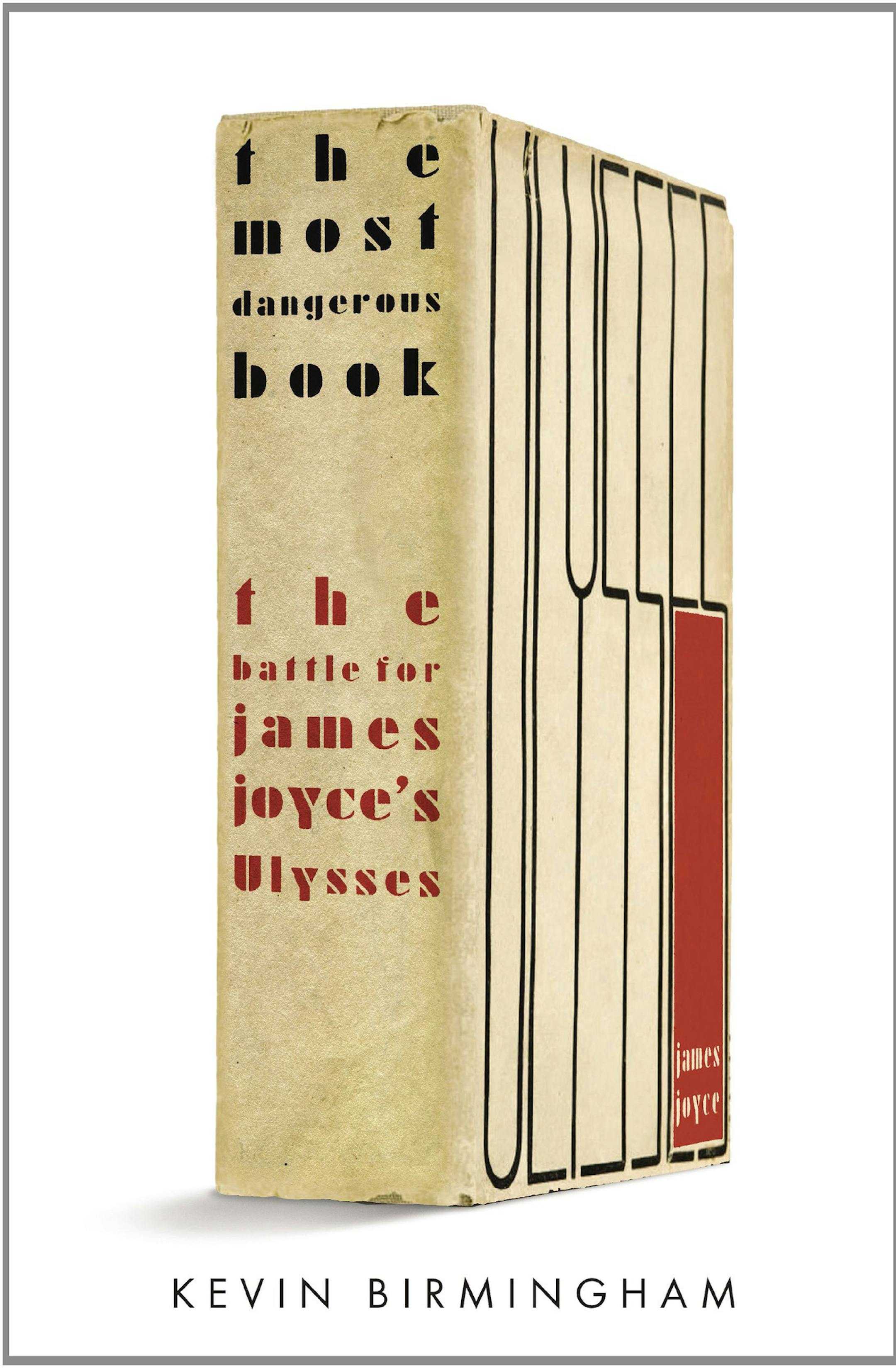
It is not easy for readers in 2014 to understand what the fuss over James Joyce's "Ulysses" was all about. Sure, it was revolutionary in a literary sense, but an agent of moral corruption and depravity? By delineating the political, social and artistic climate in which "Ulysses" was created — the Anti-Vice Societies and Post Office raids, the idealistic little magazines and bold editors — Kevin Birmingham brings the conflict to life in a highly readable fashion.
It's a dramatic story peopled with literary lions (Hemingway, Woolf, Pound, Eliot, Sylvia Beach, Bennett Cerf) and heroes and villains lesser-known today, but giants in their time. Joyce himself, of course, looms large in the narrative. His agonizing eye troubles are vividly portrayed, as is his dependence on Nora Barnacle; he comes across as a brave, lonely man totally dedicated to artistic freedom. When asked to remove the "unprintable" words from his manuscript, easing its path to publication (and eliminating the possibility of jail time for his publishers), he not only refused but put more in.
Birmingham is a bit of an overstater, and occasionally he gets his facts wrong, but these are minor flaws. "The Most Dangerous Book" is an engaging, fast-paced read about a time when literature mattered deeply. It's almost enough to make me nostalgic for the Comstock Laws.
PATRICIA HAGEN