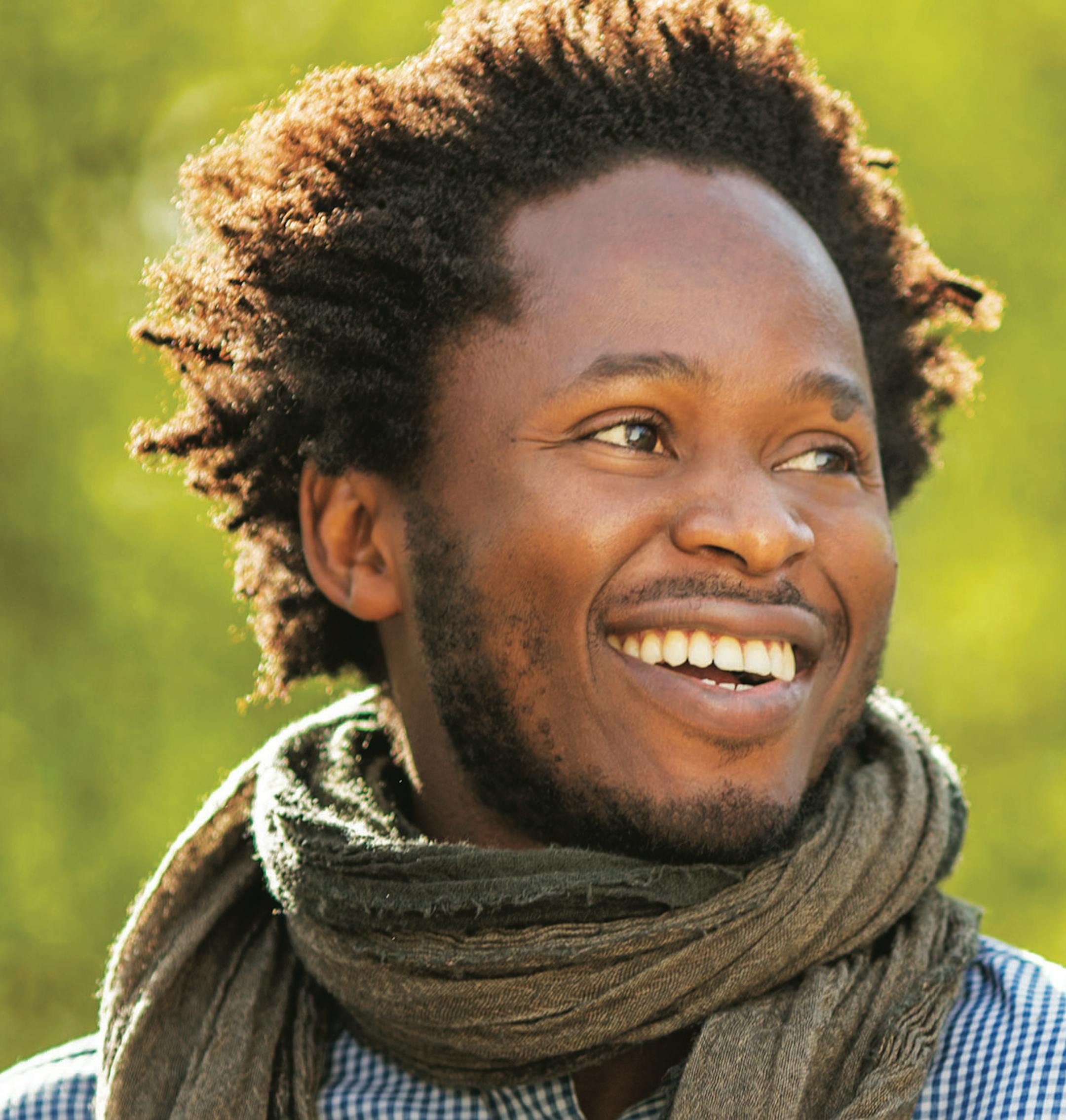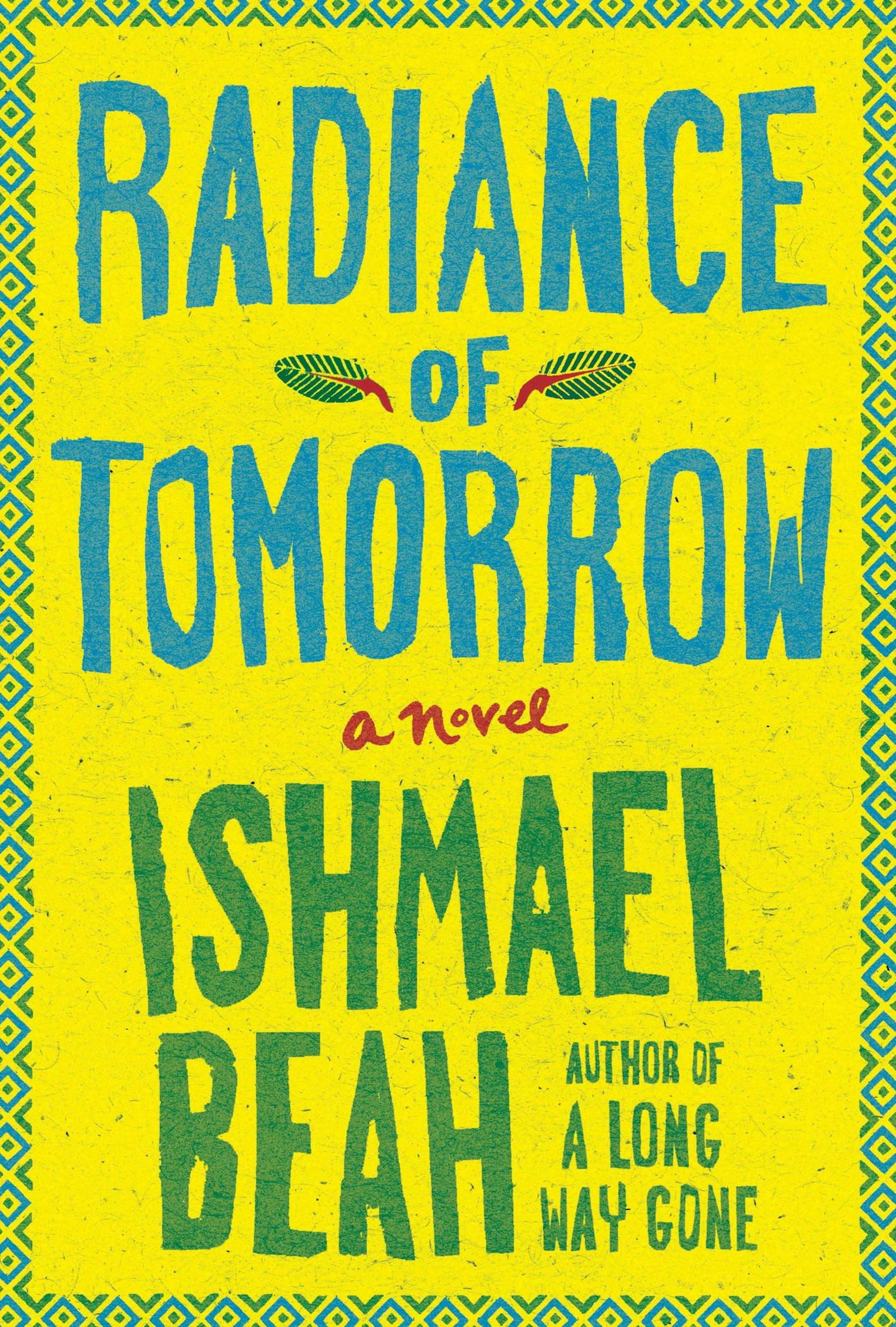
Ishmael Beah's 2007 memoir, "A Long Way Gone," was a tragic though redemptive account of his time as a child soldier in Sierra Leone before his rescue by UNICEF workers. "Radiance of Tomorrow" once again takes place in Sierra Leone, and in dealing with the aftermath of civil war it picks up where his memoir left off. Whether providing snapshots of a ravaged hometown or the struggle to stay afloat in the corruption-riddled capital, Beah's novel records a country's turbulent history and depicts the determination of the human spirit.
The novel opens with the homecoming of three village elders to the bone-strewn ruins of Imperi. After burying the dead, more returnees emerge and share personal traumas of war. We meet Sila and his two children, victims of brutal amputations; Sergeant Cutlass, a former soldier, now a wanted man for having defected; and Ernest, who has no recollection of where he is from but who sees a safe haven in the ashes of Imperi. Only gradually does Beah allow a protagonist to materialize: Bockarie, who contributes to Imperi's regeneration by becoming a teacher. However, the school's progress is hampered by the machinations of a corrupt principal. Worse, the village's growth is stunted, first by rapes, thefts and murders at the hands of a boorish band of foreign workers, then by the arrival of a mining company tasked with appropriating the land.
The hardship inflicted on the characters is tempered by the storytelling of one of the elders, Mama Kadie, her campfire tales and voice of reason uniting and emboldening a ramshackle community still weighted down by their individual horrors. "Radiance of Tomorrow" is at its best when it reads like a patchwork of yarns, replayed anecdotes twining with oral traditions and legends. Beah's flashbacks to massacres and mutilations are searing, but equally powerful are the descriptions of his scarred cast. One man's eyes are "redder than the flames and memories of the recent past in his imagination."
However, Beah's descriptions can be his weakness. Certain imagery is unwittingly recycled. On the first page a path is "reluctant to cloak its surface completely with grasses." At the end of the book, Freetown is a city cloaked with darkness. In between, leaves are cloaked with dust, blood once cloaked the surface of a river, and the world "shivers from the cloak of darkness." Sometimes the English seems out-of-whack: Sila head-butts someone "so hard that the man fainted."
Beah's capacity to evoke cannot be faulted, particularly in a scene of great comeuppance involving killer ants, sugar and naked flesh. And we find poetic beauty in his anthropomorphic treatment of nature: wind exhales, drowsy stars cause the sky to nod, and the sun stretches "the cold bones of morning with its warmth."
"Radiance of Tomorrow" is a fable-like novel about rebuilding, renewal and, as the title suggests, hope. Beah could benefit from a different theme for his next novel, but there is much to enjoy in this tale of persecuted people trying to mend their community and themselves.
Malcolm Forbes has written for the Times Literary Supplement, the Economist and the Daily Beast. Born in Edinburgh, he lives in Berlin.