Liubov Shaporina, the stage designer who ran Leningrad's Puppet Theater, characterized World War II as "the war of the two Herods," Hitler and Stalin. Amid the Nazi siege of her beloved city and the internal purge of alleged enemies of the Soviet Union, each of which resulted in the death of hundreds of thousands of men, women and children, Shaporina prayed to God for mercy.
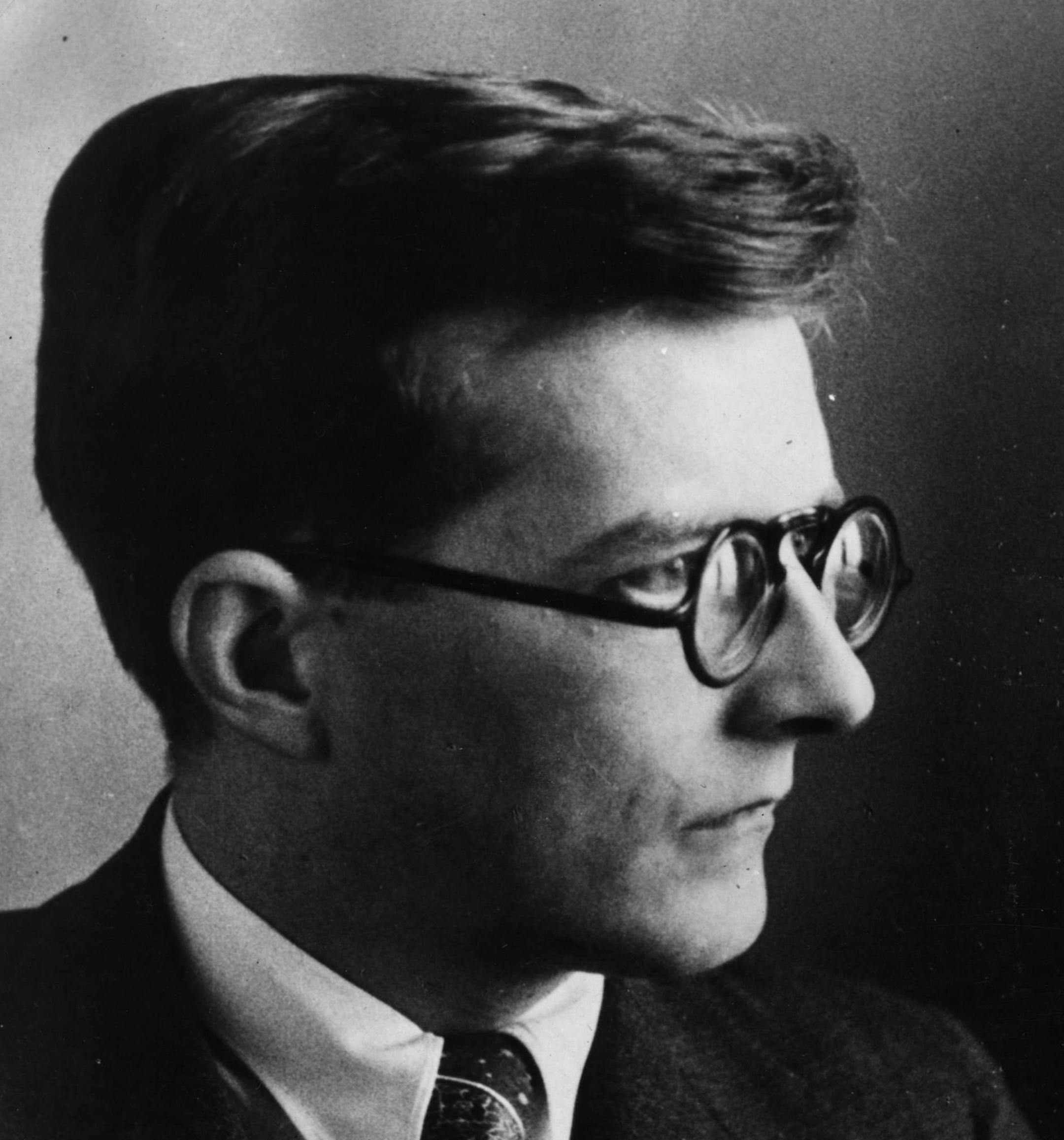
Dmitri Shostakovich responded to these horrors, which had killed close friends and members of his family, by composing his Seventh Symphony. The "most magnificent, and certainly the most moving, moment ever to be found in music," according to Brian Moynahan, the symphony served as a requiem for a city "beset by the twin monsters of the century" — and an act of defiance against inhumanity within Leningrad and beyond its boundaries.
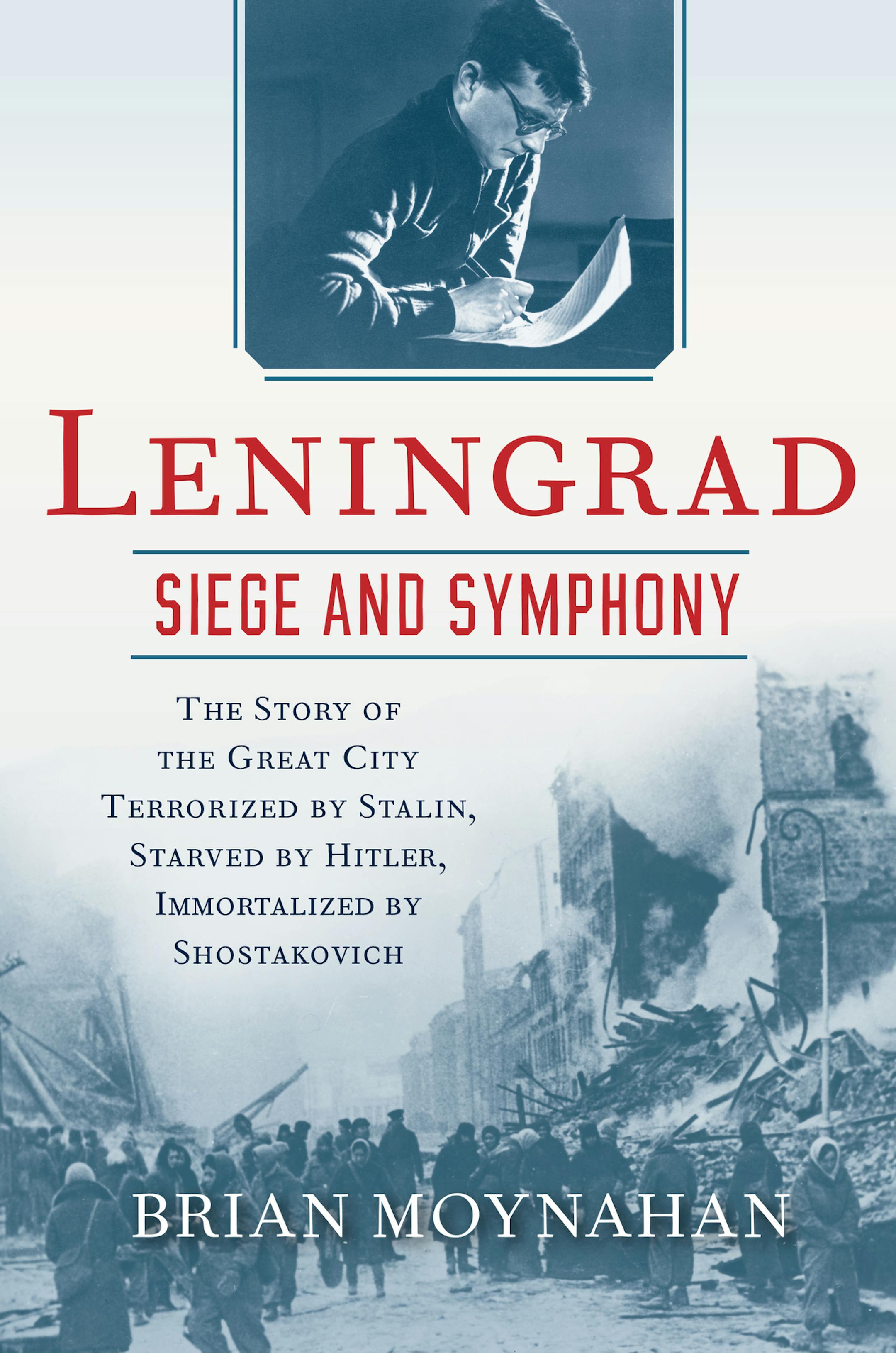
In "Leningrad: Siege and Symphony," Moynahan, who served as European editor for the Sunday Times of London and who has written three books about Russia, focuses on ordinary and extraordinary individuals as they struggled to cope with the devastation visited upon them. The music, he reminds us, in a narrative that is by turns painful, poignant and inspiring, was "a flash of radiance in the gloom."
He relies on an avalanche of anecdotes to describe the grim realities of Leningrad in 1941 and '42. He quotes extensively from transcripts of the Kafkaesque interrogations of suspected traitors and spies conducted by apparatchiks of the NKVD (predecessor of the KGB) and the confessions extracted from them through torture. And, although the number of stories risks dulling the senses of readers, Moynahan's accounts of starvation (from what Soviet authorities euphemistically called "nutritional dystrophy") and cannibalism are graphic and gripping. "I am awaiting death," a 13-year-old wrote to her soldier father. Afraid of getting upset because her arms and legs started to tremble, she expressed gratitude to her mother and siblings for sharing bits of bread with her and asked, "How can I not cry when I so desperately like to live?"
Shostakovich's symphony, Moynahan emphasizes, was a paean to the courage and decency of such Leningraders. Implying that people heard what they wanted (or were instructed) to hear, he acknowledges, however, that the Soviet regime exploited it to "hide the vileness of the blue caps, the execution squads, the interrogators … beneath a veneer of culture."
That the symphony survived, he suggests, is more important "than what the Russians call 'intonatsiya,' a reading between the lines in music and literature." Perhaps. But hasn't he demonstrated that readings between the lines account, in no small measure, for the claims made for and against Shostakovich's "difficult, complex, and magnificent symphony"?
Glenn C. Altschuler is the Thomas and Dorothy Litwin Professor of American Studies at Cornell University.