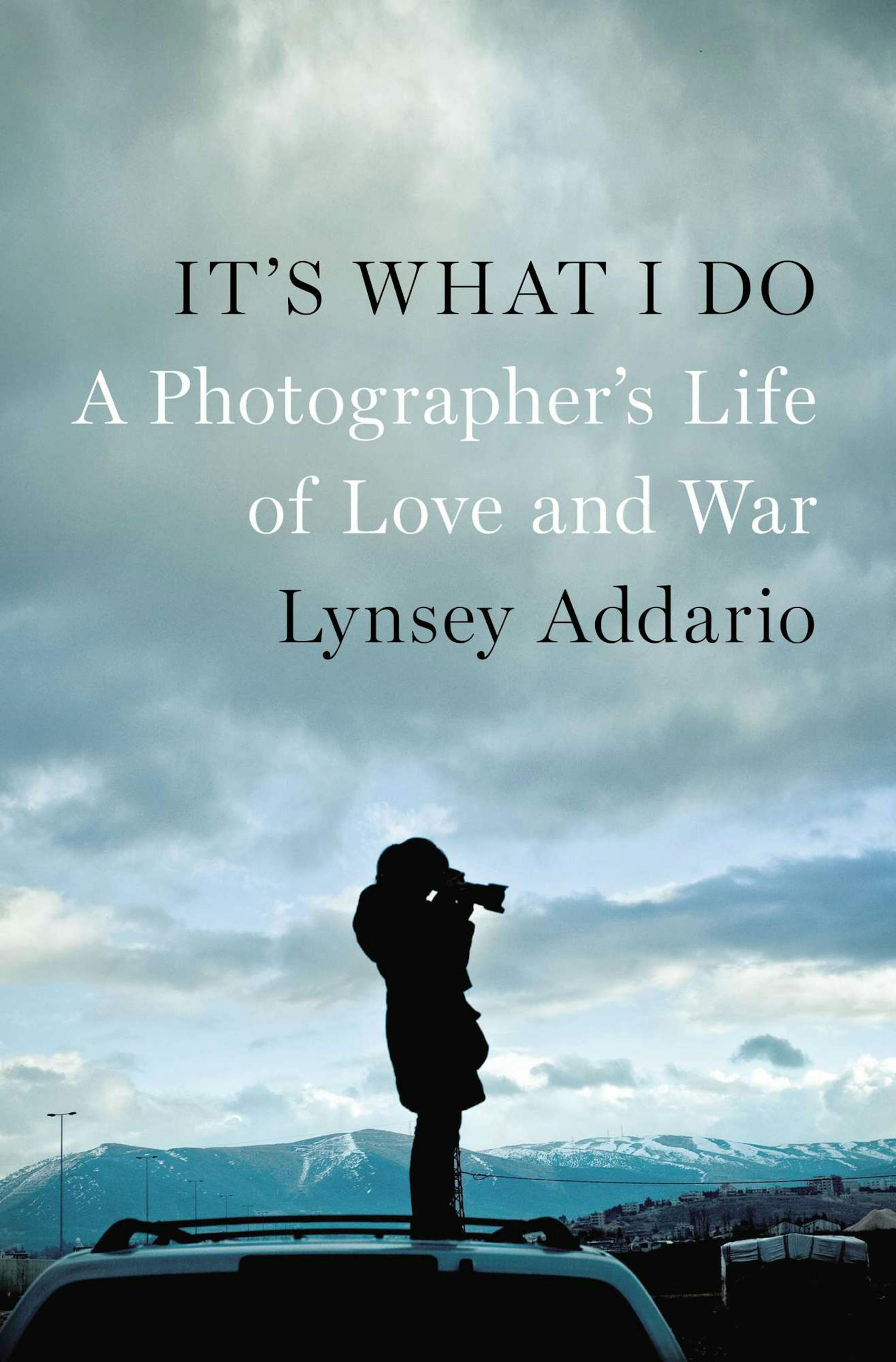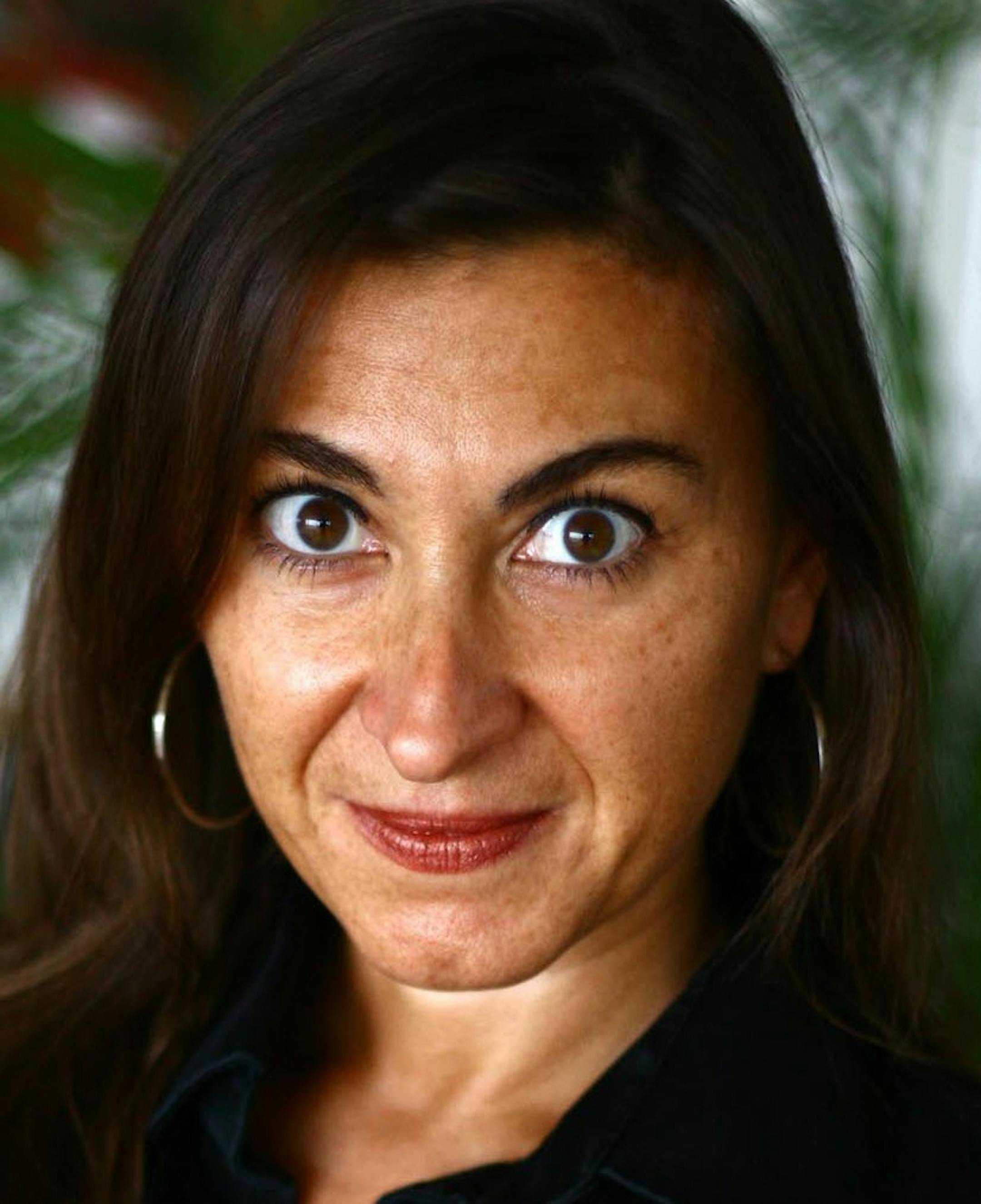
Anyone who has spent time with gifted news photographers, listening as they rhapsodize about light at dawn and watching the urgency with which they approach the most difficult assignments, will know Lynsey Addario.
Whether covering a distant war or a natural disaster close to home, a cruel disease stealing a child or a heartless crime, these journalists feel born to the work of documenting reality and consequence, even if the passion is discovered accidentally and takes hold gradually. Addario writes in her memoir of conflict photography that it is more a calling than a job, a need she feels to put herself in harm's way to show war's awful impact on people caught in its terrible sweep.
The work has taken her to active combat zones and desperate refugee camps throughout the world, separating her for months at a time from family, friends and lovers, most of whom failed at this particularly challenging form of long-distance relationship.
She was shot at, beaten and groped by armed men who told her even as they fondled her that she would die in the morning. During the Libyan civil war in 2011, she was kidnapped and held along with three New York Times colleagues by men loyal to Moammar Gadhafi.
"We get a glimpse of this unusual life and this extraordinary profession, and we want to keep doing it, no matter how exhausting, stressful, or dangerous it becomes," she writes. "It is the way we make a living, but it feels more like a responsibility, or a calling."
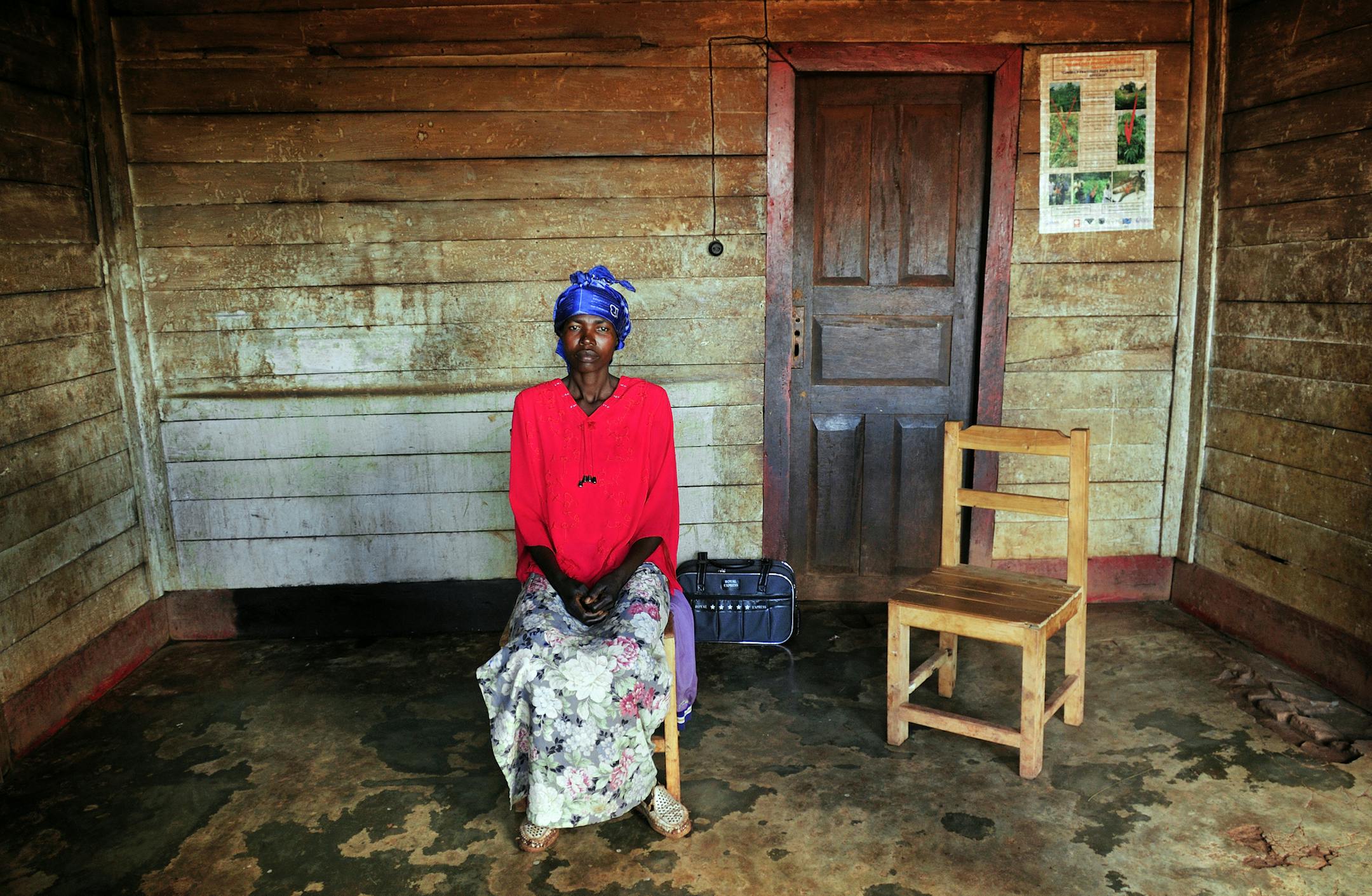
It has given her purpose, the chance to focus the world's attention especially on the plight of women and children in conflict zones and the unintended consequences of national policy, such as the U.S. decision to invade Iraq. What she saw and photographed steeled her to go back, again and again, to choose the most dangerous assignments in Afghanistan, Iraq, Darfur and the Democratic Republic of Congo.
She writes compellingly of sharing everything with her subjects, "the joy of survival, the courage to resist oppression, the anguish of loss, the resilience of the oppressed, the brutality of the worst of men and the tenderness of the best."
She eventually married one of the best, and they had a baby, and she shared in a Pulitzer Prize for the work and received a MacArthur Foundation "genius grant," a $500,000 award meant to encourage her to continue. And so she has.