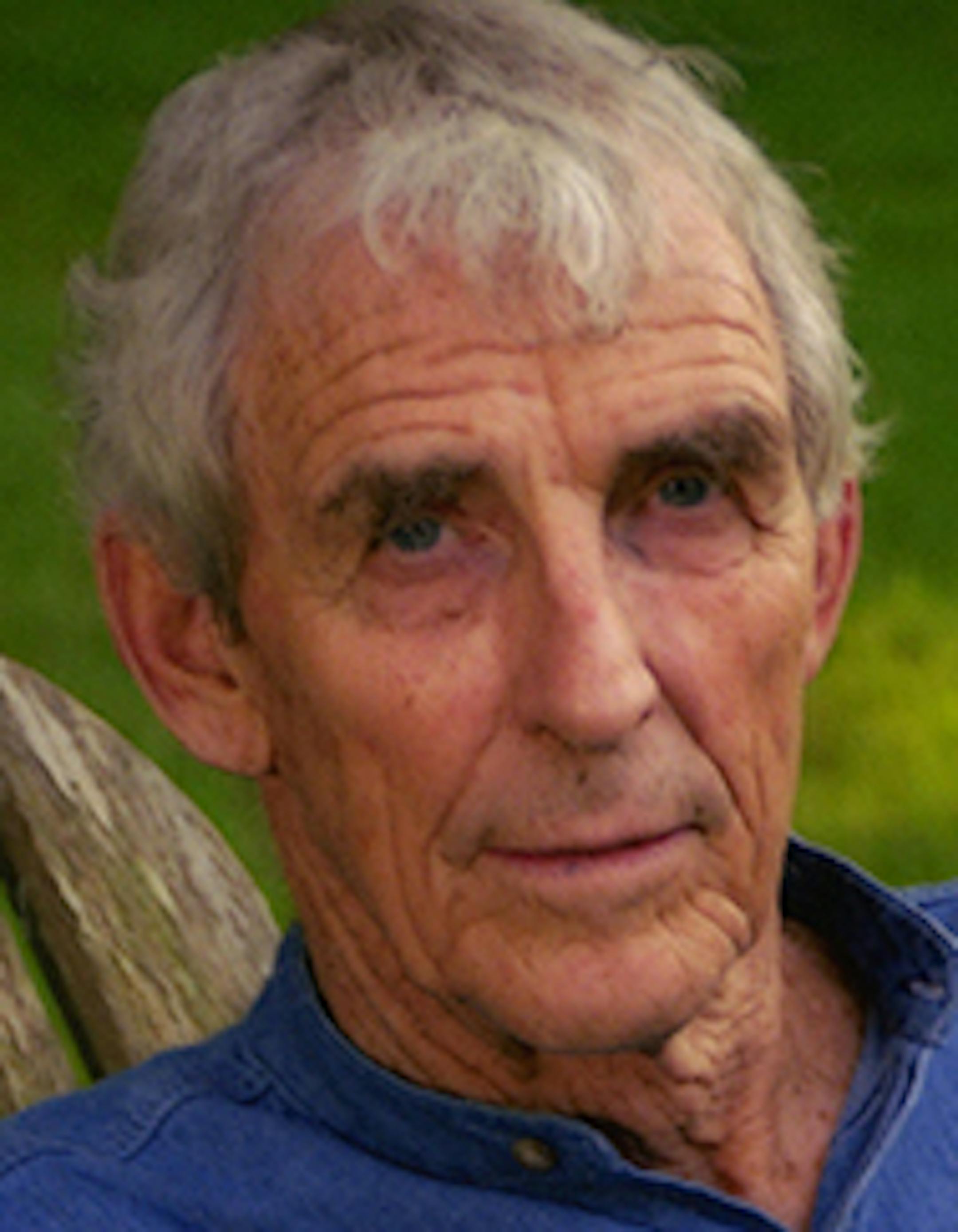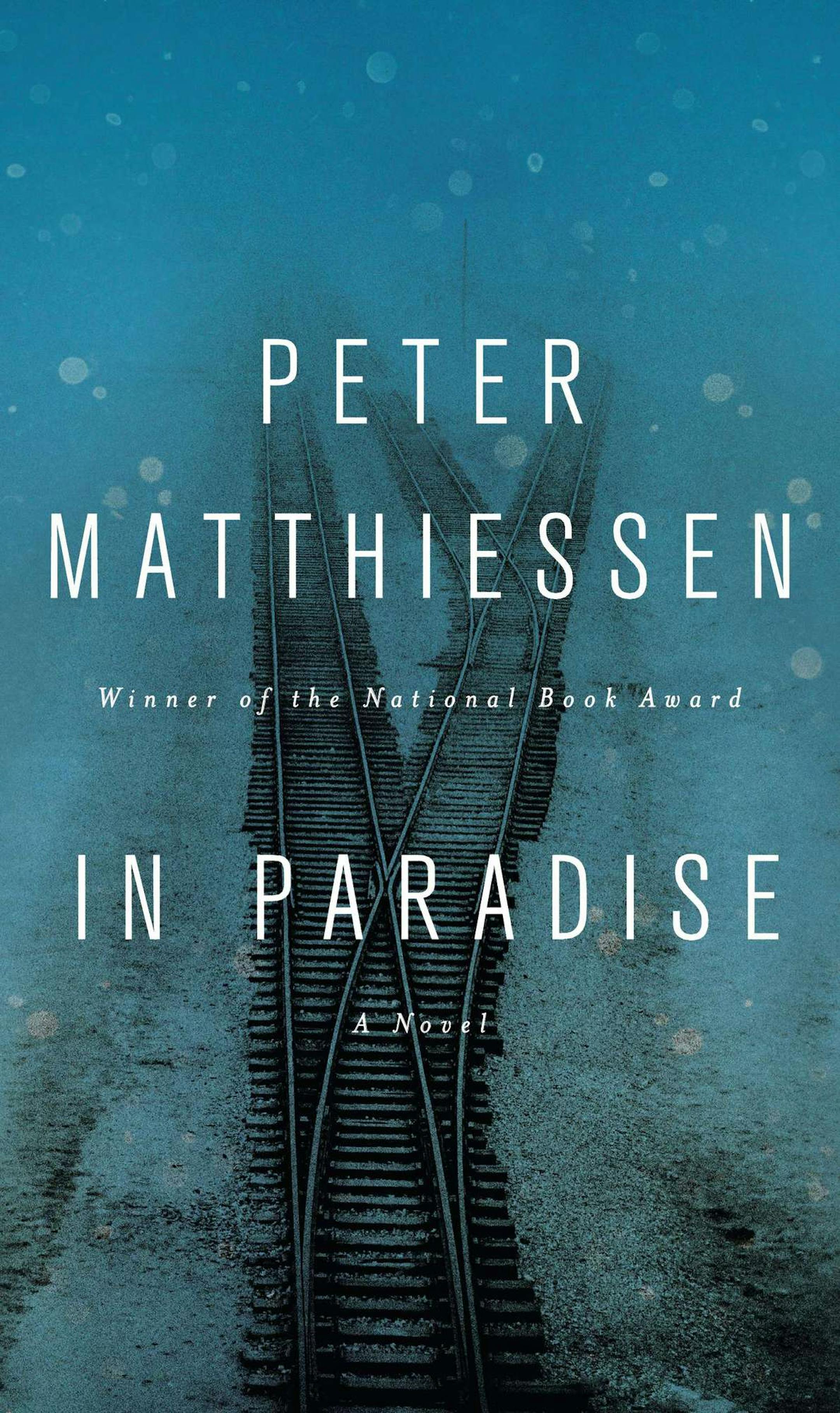
Short and austere, "In Paradise" is Peter Matthiessen's final novel — the author died recently — and comes eight years after "The Shadow Country," his National Book Award-winning reworking of the Watson trilogy. The present book is set in 1996 during a spiritual retreat at Oswiecim (Auschwitz) in Poland, its subject the unending reverberations of the Holocaust. At its center is Clements Olin, a 55-year-old American professor of Slavic literature specializing in the writings of death camp survivors. He has joined 140 diverse pilgrims gathered to meditate and bear witness to the immeasurable suffering and cruelty that this site represents.
The participants range in outlook from the fatuousness of the scholar who is investigating the evolutionary purpose of "so-called evil," through the guilt and shame of children of SS members, the defensive evasiveness of some Poles, on to the vexed thoughts of an actual survivor. Clements feels irresolute, unsure of his own mission. He is of Polish extraction: His father fled the country with his parents before the German occupation, leaving behind, we discover, Clements' mother. His grandparents eventually extracted the infant Clements from the coming cataclysm, but his mother's fate has been the great unspoken unknown in the family.
Clements' story and those of the others are anguished inquiries, harrowing reassessments and attempts — emotional, artistic and spiritual — to grasp the ungraspable. The foul surroundings, these relics of managed extermination, are further blighted by the weather — wretchedly cold, damp conditions in which acrimony and misunderstanding flourish. Embarrassed by the enormity of crimes perpetrated here, no one knows how to respond authentically.
The camp's "[v]ast emptiness, terminal silence, under a gray overcast withholding snow" furthers the novel's movement toward the ineffable. At one point a sudden, unexplained joy fills the participants and they dance spontaneously, feeling a sense of resolution that words could not bring. There is throughout a feeling that language fails before the subject matter. Twice a rabbi is quoted as saying that "the only whole heart is the broken heart. But it must be wholly broken." This unpersuasive waffle is embraced by Clements, and is driven home — we are to understand — by an unreciprocated sexual attraction to a nun. That development, curiously off kilter, is perhaps meant to add something original to the much-examined questions, once again present, of whether it is possible to have truly authentic feelings about something so profoundly evil as the Holocaust, of where accountability ends and, finally, of whether this all-inclusive horror can be put into words that are unimpeachably true.
Katherine A. Powers received the 2013 Nona Balakian Citation for Excellence in Reviewing from the National Book Critics Circle and is the editor of "Suitable Accommodations: The Letters of J. F. Powers, 1942-1963."