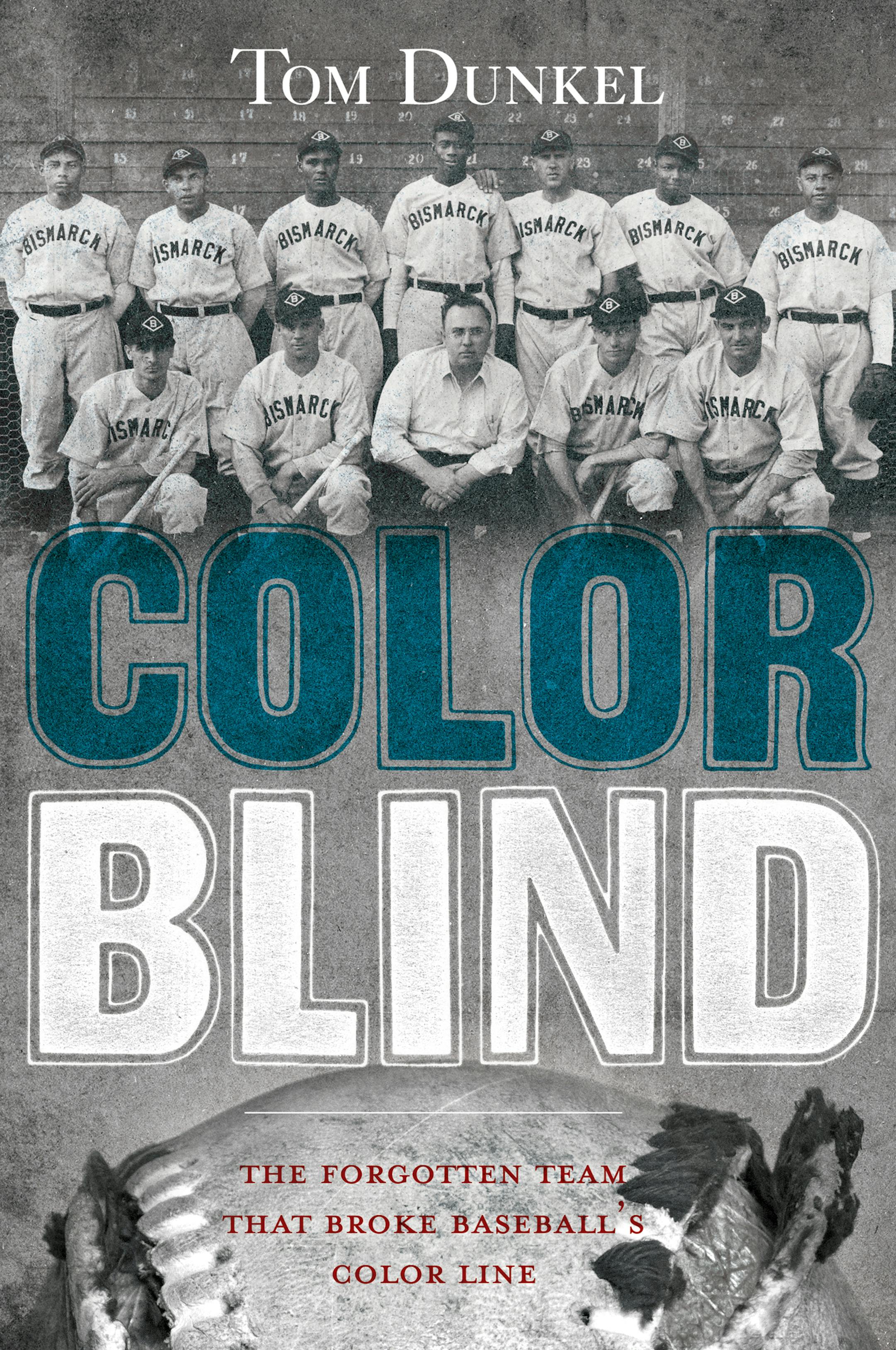
A dozen years before Jackie Robinson pulled on a Brooklyn Dodgers jersey for the first time, black men and white men played baseball together — good baseball — in North Dakota.
In his new book, "Color Blind," Tom Dunkel tells the largely unknown story of how a Bismarck car dealer turned a "town ball" team into a semi-pro powerhouse in the midst of the Depression. "Their team photo could have been taken yesterday … ambassadors from the multiracial future."
Individual black players had made their way to North Dakota before, Dunkel notes, and in 1932, the team in Jamestown "quietly tapped into the Negro Leagues for several players," including pitcher Wilber "Bullet" Rogan of the Kansas City Monarchs, who won 22 games in 25 starts.
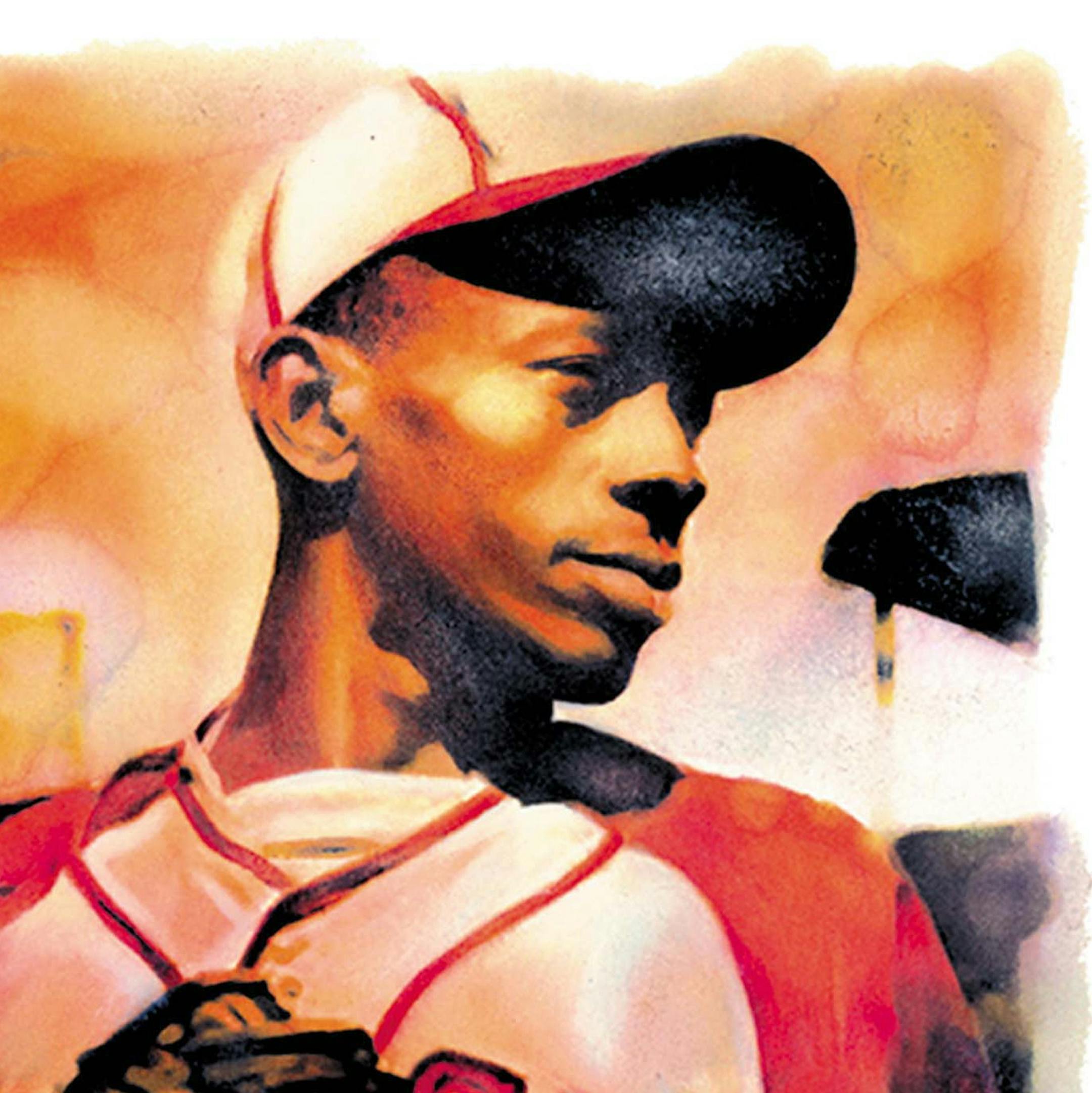
Bismarck responded the following year. Neil Churchill, the car dealer, went through Abe Saperstein, founder of the Harlem Globetrotters basketball team, who said there was a lanky guy in Pittsburgh who might just be the best pitcher around, black or white. Bismarck didn't lose a game the rest of that season after Satchel Paige signed on.
"Paige brought to the mound a jazz musician's flair for improvisation and showmanship," and Bismarck — pop. 11,000, including 46 black people — embraced him. Maybe mixed-race baseball was more acceptable on the northern plains, where immigrants and harsh weather had fostered a tradition of tolerance, Dunkel writes. "On the other hand, racial comity can be a product of indifference rather than open-mindedness. Blacks were in short supply … and not intruding on anybody's comfort zone."
This is a baseball story, a story of the importance people placed on having a winning team to cheer as farms, businesses and towns failed.
It's also a history and sociology primer, telling of prairie populism and race and "dust flowing like snow," and Sitting Bull riding in a parade before a Bismarck ballgame in 1889.
How good was the 1935 Bismarck team, half black and half white? Led by Paige, the team played in a national semi-pro tourney that year in Kansas. Among the 32 teams entered were an all-Japanese squad from California, an all-Indian team from Oklahoma and four all-black teams.