

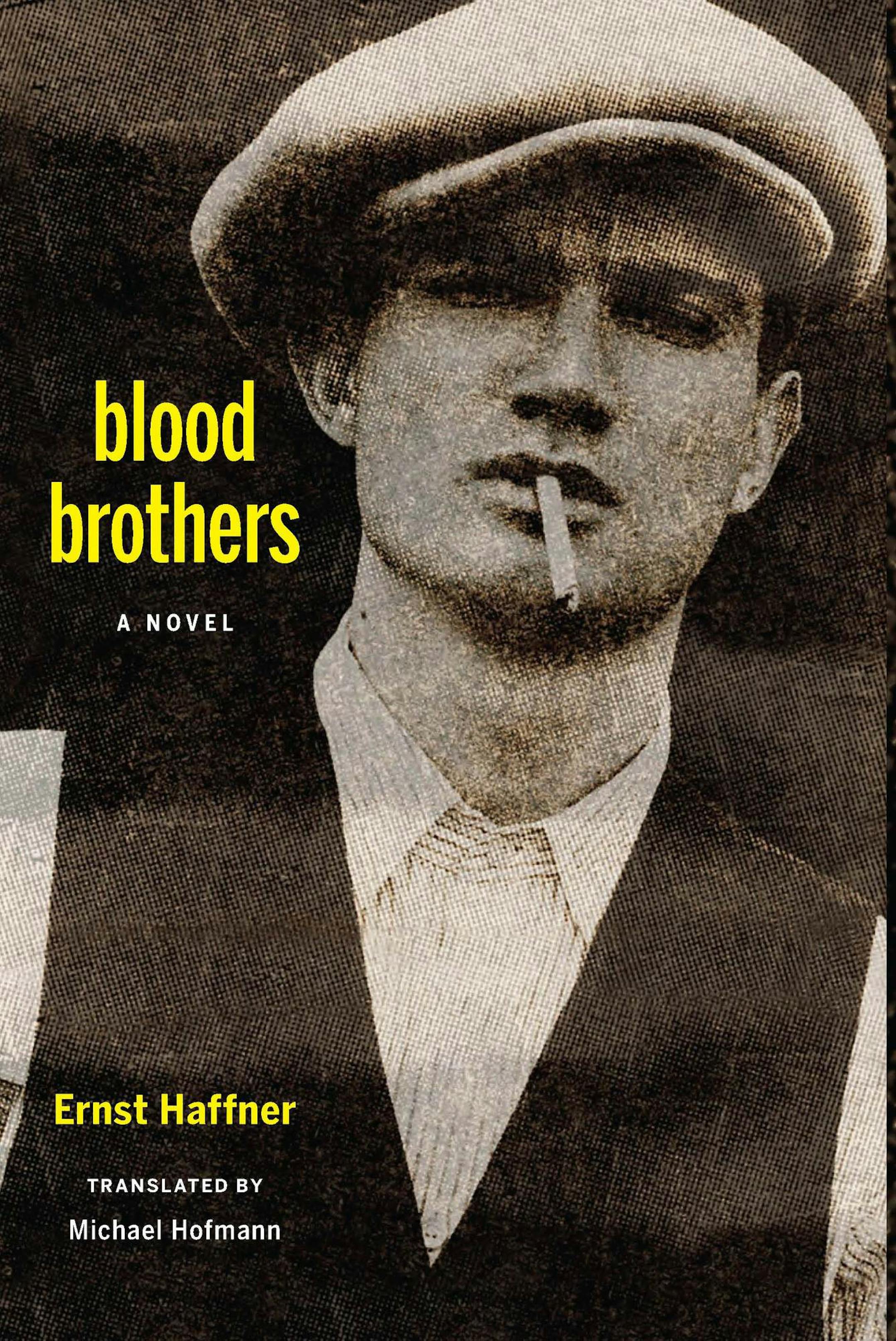
This miraculous little novel from Ernst Haffner comes with the best possible blurb emblazoned across its cover: "Banned by the Nazi Party."
"Blood Brothers" was originally published to wide acclaim in 1932 but fell afoul of Adolf Hitler when he came to power the following year. Its fate was the notorious book-burning pyre on Berlin's Bebelplatz. Haffner's fate is a mystery. We know that he was a German social worker and journalist, but all further record of him disappeared in the 1940s.
His novel is a thoroughly realistic account of life in "endless, merciless Berlin" between the wars. The German metropolis is "too much for anyone on their own," and so its young feral waifs join gangs to stay afloat. Most of the book's characters are male, 16 to 19 years old, and have fled uncaring parents or young offenders' institutions. Seedy bars become "a kind of home away from home for those who don't have a home."
The boys rub shoulders with pimps, prostitutes, vagrants and low-grade crooks. Each new day is spent looking for warmth, stealing food, cadging cigarettes and haggling for the next place to sleep.
The deeper we get into the novel, the deeper Haffner's cast descends into Berlin's grubby underworld. Spurred on by ringleader Jonny, the blood brothers graduate from petty pickpockets to car thieves and burglars.
It is at this point that two main characters emerge. Deciding that a life of crime is not for them, Willi and Ludwig separate themselves from the pack, forge a partnership and go straight. Their transition isn't easy: They endure juvenile court and prison, have to avoid old enemies and the gang's "tentacles" and are forced to sell themselves when down to their last pfennigs.
However, due to resilience and resourcefulness they pull through.
Haffner peppers his novel with mini-triumphs which leaven the gloom and have us cheering on his ground-down but upbeat anti-heroes — "boys who prefer to starve at liberty to being half-fed in welfare."


