
REVIEW: 'Ask Me: 100 Essential Poems,' by William Stafford

One hundred of the late National Book Award-winning poet's poems, selected by his son.

For the Minnesota Star Tribune
January 25, 2014 at 9:32PM
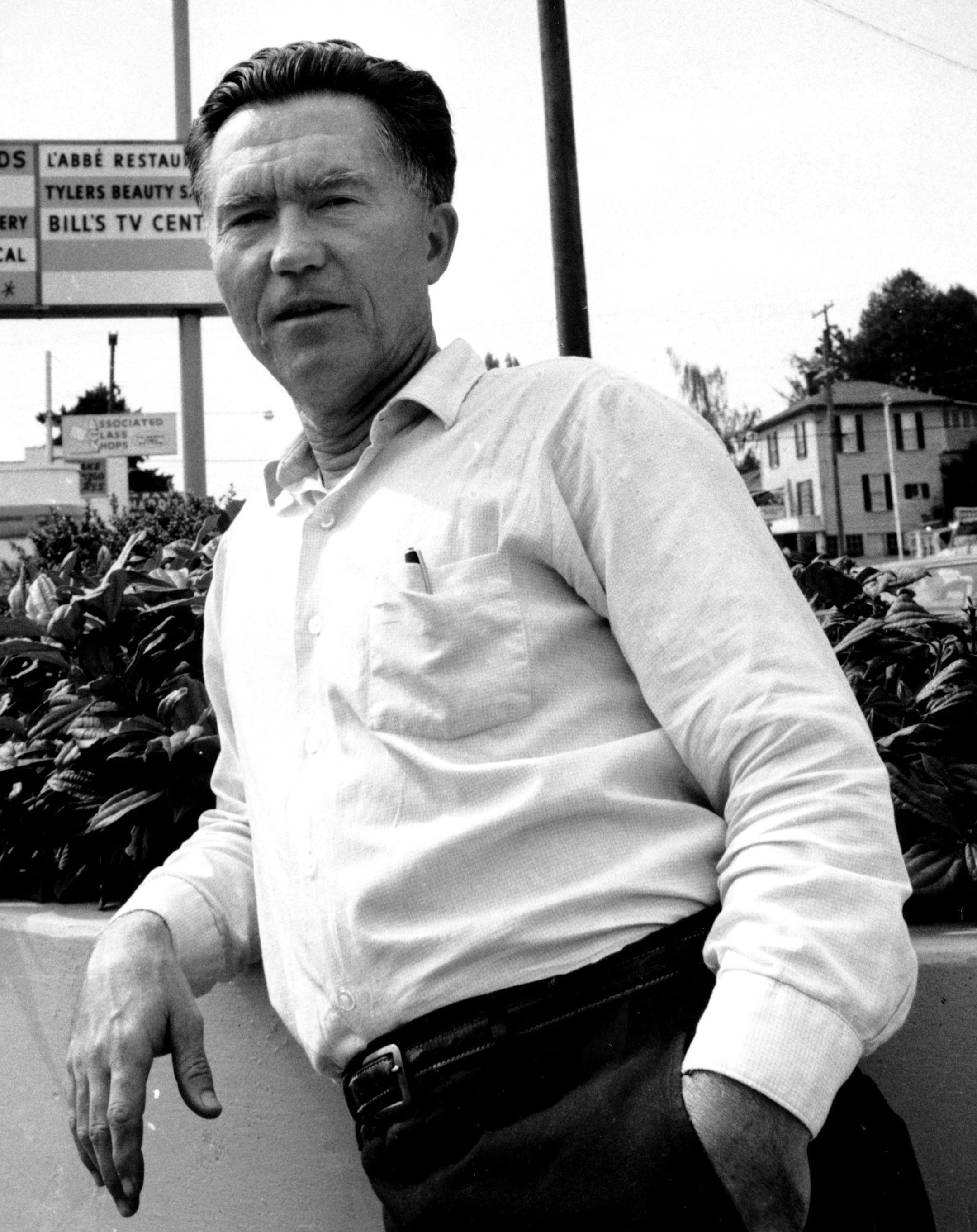
Dr. William E. Stafford, a college professor, poses on a street in Oswego, Ore. on Aug. 26, 1966. Stafford, who won the National Book Award for poetry in 1963, writes pacifist poems, signs pleas to the President, and takes part in peace walks in protest of the Vietnam War. (AP Photo)
William Stafford in Oswego, Ore., in 1966, three years after winning the National Book Award. (The Minnesota Star Tribune)

In a culture that at times has all the subtlety of a monster truck match, a book of poetry can come across like a solo piccolo performance. But are all piccolo players created equal? Now and again, one offers power and amazement along with the pleasing quietude. Take William Stafford. Twenty years after his death, the winner of the National Book Award has now been offered to us again in "Ask Me," a slender, expertly edited collection of his 100 best poems.

The book does what Stafford's poetry itself does — it performs a small, creaturely act of reaching out. A native of Kansas who during World War II became a conscientious objector, fighting forest fires and maintaining trails in Arkansas and California work camps, Stafford tended to portray strangers and travelers, literal and figurative pilgrims, following their separate and often bewildering paths, but also attempting vital if tenuous connections with others.

In "A Story That Could Be True, " the poet conjures an orphan who doesn't know his own given name, but nurses his belief that he could be a king. In "Saint Matthew and All," the speaker tries to console himself (and only half succeeds) about a neighbor's possible abduction by relating stories from the Bible.

Stafford honored uncertainty, doubt and his own outsider's perspective. Maybe the most moving example comes with his antiwar poem "At the Un-National Monument Along the Canadian Border." Here, slender, laconic free verse gives way to rhyme. This heavier texture lends the poem the power its political occasion deserves, even as Stafford's characteristic quietness and curiously awry sensibility prevent the lines from ever collapsing into cant or mere self-righteousness. Here's how the poet describes the borderland he would declare his anti-monument:

Birds fly here without any sound,

Unfolding their wings across the open.

No people killed — or were killed — on this ground

Hallowed by neglect and an air so tame
That people celebrate it by forgetting its name.

Honoring a beauty that escapes national boundaries, and throwing his lot in with the outcasts, Stafford celebrates otherwise neglected yet crucial areas of our personal and public experience. If poetry itself seems at times to be "hallowed by neglect," a book such as "Ask Me" goes a long way toward proving that perception wrong.

Peter Campion teaches at the University of Minnesota. His most recent book of poems is "El Dorado."

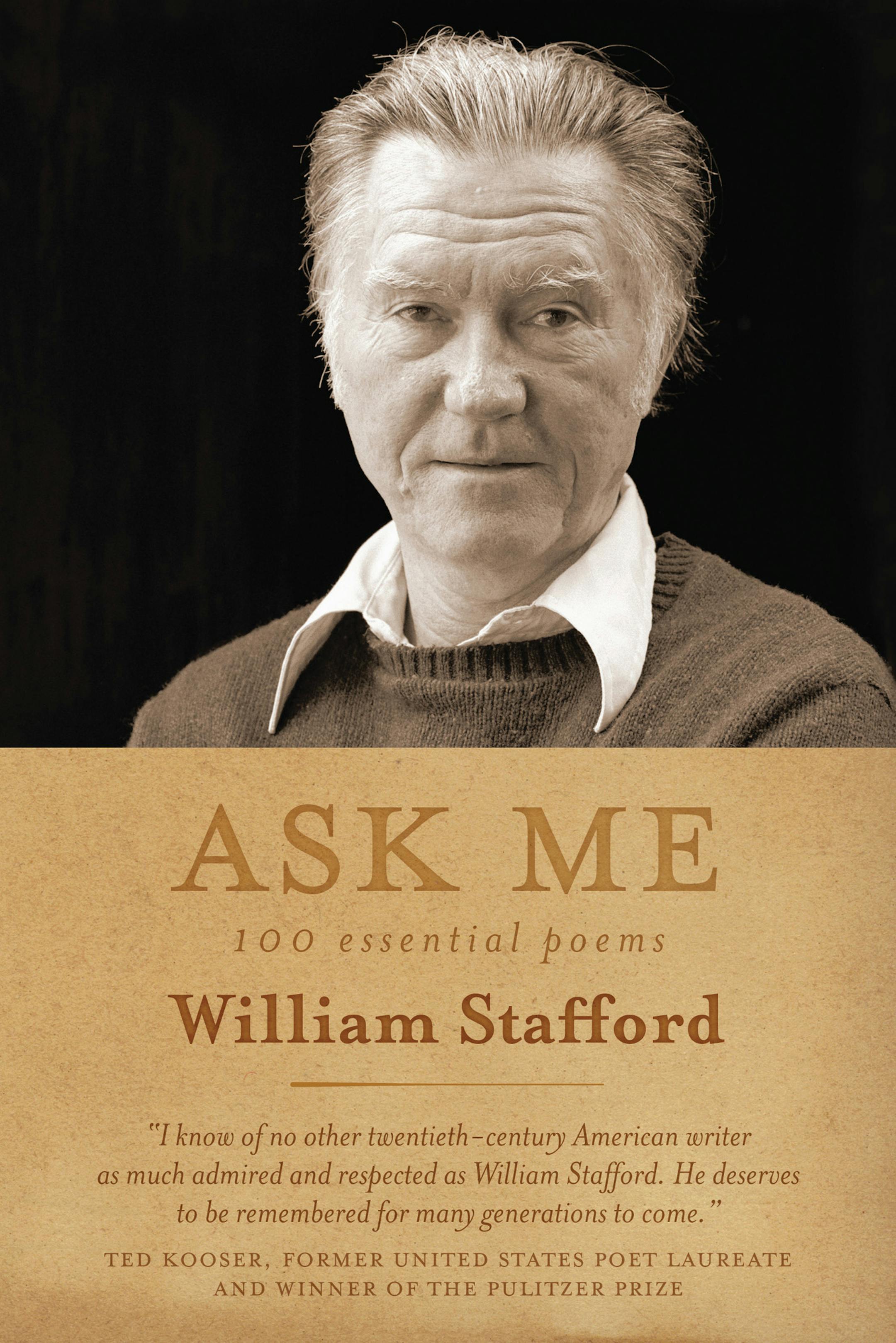
ASK ME 100 essentital poems by William Stafford
“Ask Me: 100 Essential Poems” by William Stafford (The Minnesota Star Tribune)
about the writer

about the writer

peter campion

More from Minnesota Star Tribune

See More
card image
J. SCOTT APPLEWHITE, ASSOCIATED PRESS/The Minnesota Star Tribune

The "winners" have all been Turkeys, no matter the honor's name.

In this photo taken Monday, March 6, 2017, in San Francisco, released confidential files by The University of California of a sexual misconduct case, like this one against UC Santa Cruz Latin Studies professor Hector Perla is shown. Perla was accused of raping a student during a wine-tasting outing in June 2015. Some of the files are so heavily redacted that on many pages no words are visible. Perla is one of 113 UC employees found to have violated the system's sexual misconduct policies in rece