

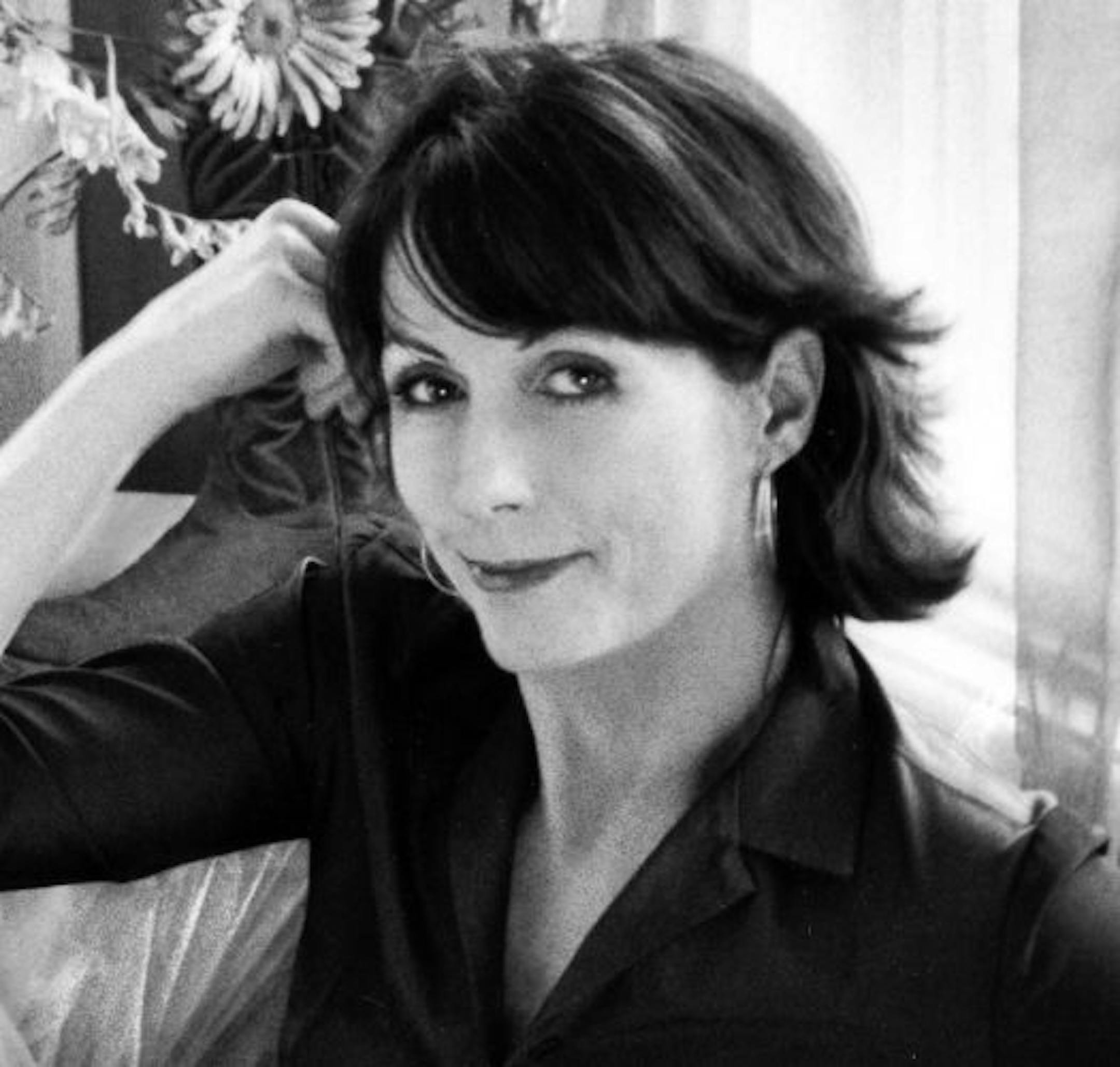
Ever since the runaway success of "The Liars' Club," memoir fans have relied on Mary Karr to give them the raw truth in prose so subtly but expertly polished that you admire its beauty without ever smelling the lacquer. "The Liars' Club" and "Cherry" explored Karr's gritty and eccentric Texas childhood and adolescence. Now with "Lit," Karr turns her poet's eye toward the complications, heartbreak and unexpected redemptions of adulthood, including her devastating battle with alcoholism and subsequent conversion to Catholicism.
The Star Tribune caught up with Karr by phone at her home in New York City.
Q "Lit" starts with "An Open Letter to My Son," where your first line is "Any way I tell this story is a lie." While memoir writing is certainly subjective, your publisher takes pains to verify that this account of your life is true. What were you trying to get across with that acknowledgment?
A There is nothing in there that is made up or didn't happen. I wrote this book three times, and it took me seven years. I threw away 1,000 finished pages. That's because I couldn't get it right. That doesn't mean I made anything up. It means my angle on things was psychologically false. The minute you start to write about Point A instead of Point B, you've begun to shape the story.
Q The dialogue in "Lit" contains no quotation marks. Is this another way of getting at the idea that memory can be fuzzy?
A It's not like I have a video camera strapped to my chest as I go through the world. One reason I think memoir has had a little run for the past 10 years or so is that we've given up on historical authority. We've given up on the church. We don't believe the Bible is true anymore. We don't believe what the history books or science books say. So I think there is a lot of value placed on the subjective. I was trying to convey that this is in my head. It's supposed to make it more intimate.
Q You wrote "The Liars Club" during a boom time for memoir. Today, the genre has taken some serious hits on the credibility front. Given that change, was there a difference in the way you approached this book?
A Honest to goodness, most of the people I know who write memoir go so far out of the way to be accurate. The hardest thing for me is the moral difficulty of writing about people whose view will be represented, because it's not a history but a subjective record.


