

Commentary
Opposing genocide has become a cottage industry in the United States.
An example is a program called "World Without Genocide" at William Mitchell College of Law in St. Paul. The recent commentary by its executive director, Ellen Kennedy ("'Never again,' it's been said of genocide. Do we finally grasp it?" Jan. 19), employs all the usual clichés of that well-meaning but misguided campaign.
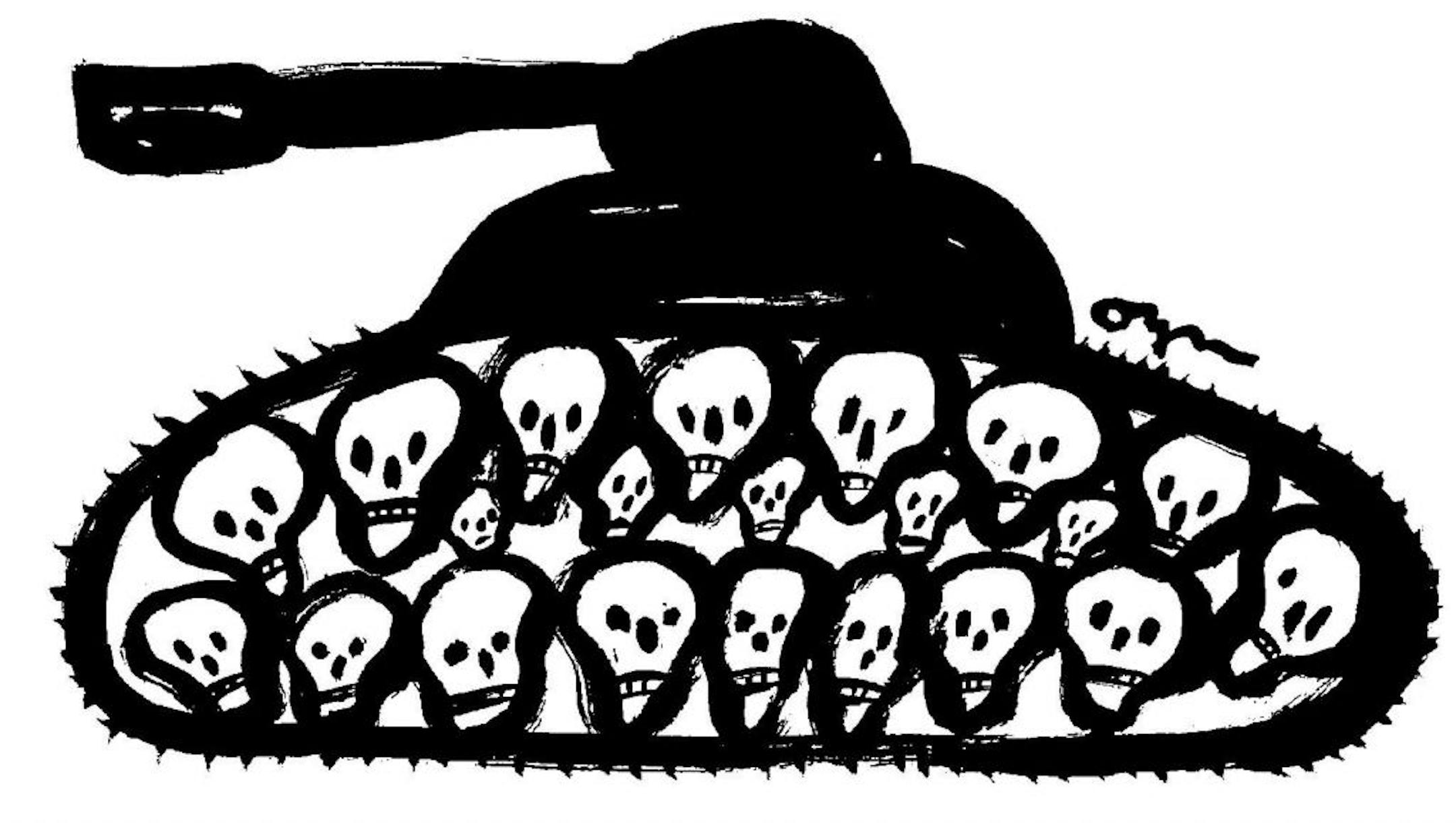
Misguided, and, above all, misguiding. The antigenocide movement is directing people of good intention away from the essential cause of our time -- to reverse the drift toward worldwide war.
The Bible of this campaign is Samantha Power's book, "A Problem from Hell." Power's thesis is that the United States is too slow to intervene to "stop genocide." It is a suggestion the U.S. government embraces, to the point of taking on Power as a White House adviser.
The reason is clear. Since the Holocaust has become the most omnipresent historical reference in Western societies, the concept of "genocide" is widely accepted as the greatest evil to afflict the planet. It is felt to be worse than war.
Therein lies its immense value to the U.S. military-industrial complex, and to a foreign-policy elite seeking an acceptable pretext for military intervention.
The obsession with "genocide" as the primary humanitarian issue in the world today relativizes war. It reverses the final judgment of the Nuremberg Trials that: "War is essentially an evil thing. Its consequences are not confined to the belligerent states alone, but affect the whole world. To initiate a war of aggression, therefore, is not only an international crime; it is the supreme international crime, differing only from other war crimes in that it contains within itself the accumulated evil of the whole."


