
Residents push to save Wayzata historic home from development

Developer says house will need to be moved or razed by mid-summer.

April 28, 2015 at 7:51PM
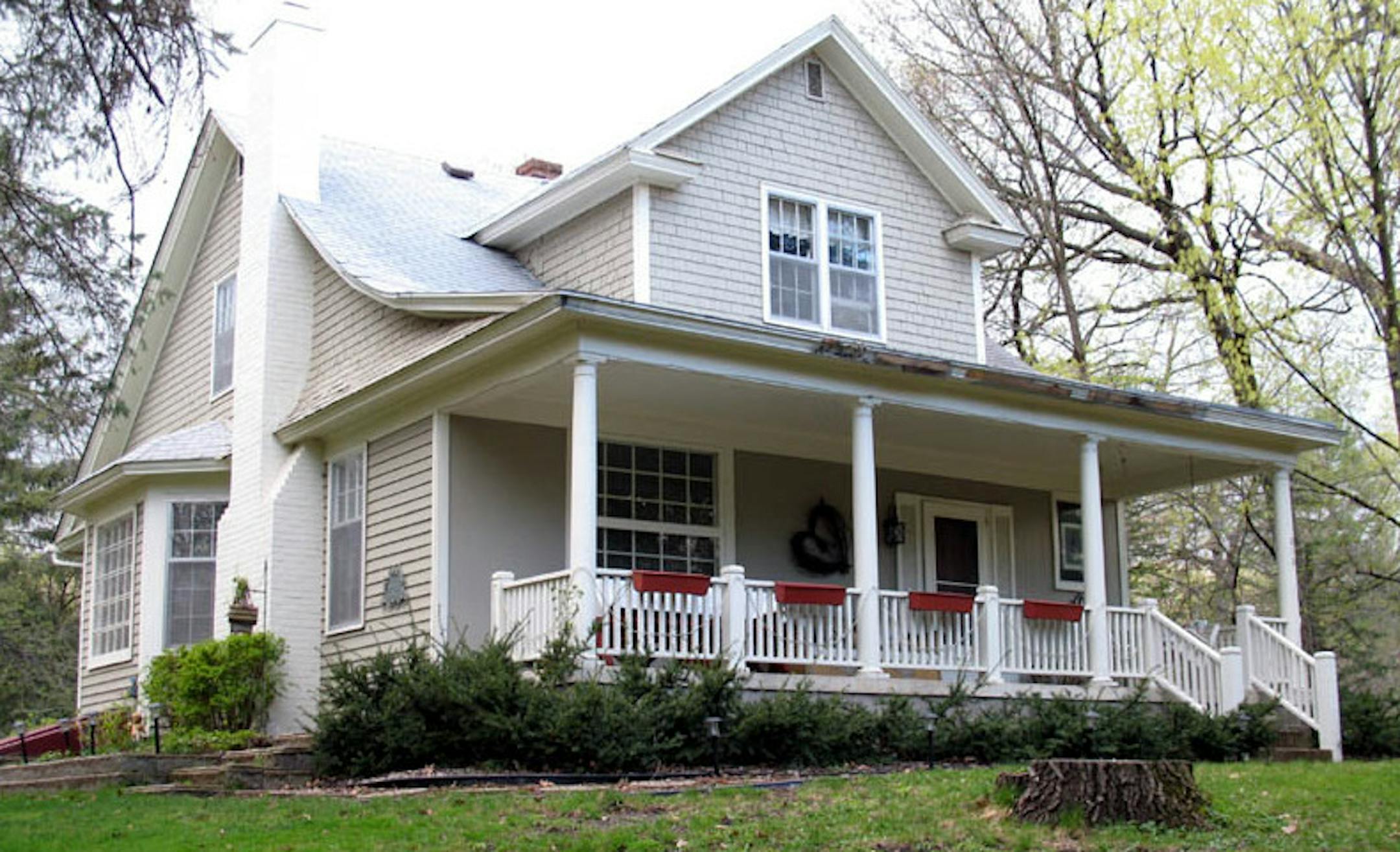
The Wayzata house built in 1904 by Thomas Wise. Courtesy of the Wayzata Historical Society.
The Wayzata house, built by Thomas Wise, is one of six houses left from 1904, according to the Wayzata Historical Society. (The Minnesota Star Tribune)

An 111-year-old house in Wayzata built by one of the lakeside town's first residents and leaders could be torn down to make way for a subdivision if no one buys it this summer.

A group of residents is pushing to save the house, built in 1904 by Thomas Wise — a boat maker who once worked for railroad pioneer James J. Hill and went on to help lead the growing town in the 1880s. More than a century after his two-story house was built, it remains on a densely wooded lot some 300 yards from Lake Minnetonka and is significant, local preservationists say, not just for the architecture but because of who lived there.

"We're losing our heritage," said Merrily Borg Babcock, who lives in a home also built in 1904 in the neighborhood, where two homes from the era have been torn down. "Even though they aren't grand and glorious Summit Avenue homes [in St. Paul], they're modest, country homes. They're important to the evolution of this town."

This month, developer K.C. Chermak, president of Plymouth-based Pillar Homes, presented plans to remove the house and subdivide the less-than-an-acre site for three houses. After hearing residents' pleas to save the Wise house, the city's Planning Commission delayed taking action on the plans to see if the historic house and more of the site's trees could be saved.

Last week, after Chermak told the city the house could be saved if a buyer moved it, the Planning Commission voted to recommend approval of plans with the condition that he follow a tree protection plan and notify the city if efforts to move the Wise house fail.

The plans now go to the City Council as soon as May 5. A buyer would have 45 to 60 days after the council's approval to save the house.

"It hopefully will stay in the same neighborhood [where] it was built," Babcock said.

The project is one of four or five subdivisions either proposed or in progress in Wayzata, a small bump in the number of such projects, said Bryan Gadow, director of planning and building. "It seems the market is heating up," he said.

Chermak, a Wayzata resident, said he's had almost 30 permits in the city and wants to appease fellow residents' concerns. He is working to sell the Wise house for a nominal fee.

"It would be exciting if we could pull it off," he said. "I'm a community member and if there's a way to be creative, I'm open to it."

His project would subdivide 0.7 acres off Central Avenue S. and Wise Avenue into three lots. To save the Wise house, a buyer would need to move it in Wayzata, likely to a lot with a newer home that could be torn down. Chermak said that the three-bedroom house can't stay on the site because it doesn't have a foundation and the subdivision then wouldn't meet city variances. The house could be picked up on hydraulic dollies and moved, he said.

The boatbuilder's house

After serving in the Civil War, Wise moved to St. Paul and then came to Wayzata in 1876 to work for Hill. Settlers had started moving there in the 1850s, but it began to take off with the arrival of the railroad. Wise left to start Wise Boat Works where the Wayzata Yacht Club is now located.

But he wasn't just a prominent businessman. He also became one of the first city leaders when Wayzata became an official village in the 1880s. He was appointed its first street commissioner before there were even streets, then the city's lamp lighter and then president of the village board.

"We think he's a VIP as far as the history's concerned," said Irene Stemmer, a former City Council member who has lived in Wayzata since 1945 and researched Wise's and the city's history, sifting through handwritten city minutes back to 1883. "We feel he was an important person in the development of Wayzata."

In 1904, Wise built the house, where his family lived until 1935. Since then, it hasn't been altered externally.

"It stands as one of the historic homes in the town," Stemmer said.

It's one of 43 homes the Wayzata Historical Society awarded as the city's Centennial homes. It's one of six houses left from 1904, according to the historical society; the oldest house dates to 1862.

"It's just very characteristic of the 1900s cottage house," said Sue Sorrentino, who's on the city's Heritage Preservation Board and historical society board. "The next two months are very important."

In Chermak's plans, about a dozen of the site's 31 trees would be removed to make way for the homes on lots, all less than a quarter of an acre, though he told the city that plans were revised to save trees. The homes will fit in the neighborhood architecturally, he said, and are likely to be custom-built ramblers or two-story homes.

Now, Babcock and others just hope the Wise home will be saved in time.

"If Wayzata didn't have any history, if it had just risen out of the farmland like a Maple Grove, then that's a different story," she wrote to other residents. "But Wayzata has a lovely and sometimes contentious history … all that adds character to the evolution of this town."

about the writer

about the writer

Kelly Smith

News team leader

Kelly Smith is a news editor, supervising a team of reporters covering Minnesota social services, transportation issues and higher education. She previously worked as a news reporter for 16 years.

See Moreicon

More from Minnesota Star Tribune

See More
card image
J. SCOTT APPLEWHITE, ASSOCIATED PRESS/The Minnesota Star Tribune

The "winners" have all been Turkeys, no matter the honor's name.

In this photo taken Monday, March 6, 2017, in San Francisco, released confidential files by The University of California of a sexual misconduct case, like this one against UC Santa Cruz Latin Studies professor Hector Perla is shown. Perla was accused of raping a student during a wine-tasting outing in June 2015. Some of the files are so heavily redacted that on many pages no words are visible. Perla is one of 113 UC employees found to have violated the system's sexual misconduct policies in rece